Vietnam UNESCO Intangible Cultural Heritage: Complete List of 17 Inscriptions
Vietnam’s UNESCO intangible cultural heritage comprises 17 inscribed elements across the Representative List of the Intangible Cultural Heritage of Humanity and the List of Intangible Cultural Heritage in Need of Urgent Safeguarding — spanning royal court music, antiphonal folk singing traditions, religious festivals, martial arts, and traditional craft practices. Vietnam’s engagement with the 2003 Convention for the Safeguarding of the Intangible Cultural Heritage reflects a rich diversity of ethnic communities: the 54 officially recognized ethnic groups of Vietnam contribute traditions that range from the Kinh majority’s court and folk music to the gong culture of the Central Highlands’ Bahnar and Jarai peoples, the Tày-Nùng-Thái ritual singing of the northern highlands, and the Chăm pottery-making tradition of the south-central coast. The most recent addition — the craft of making Đông Hồ folk woodblock printings (File 01737) — was inscribed on the Urgent Safeguarding List in December 2025.
- Vietnam has 17 UNESCO ICH inscriptions (as of December 2025), comprising 14 elements on the Representative List and 3 on the List of Intangible Cultural Heritage in Need of Urgent Safeguarding.
- Nhã Nhạc (Vietnamese royal court music, File 00074) was Vietnam’s first UNESCO ICH recognition, originally proclaimed a Masterpiece of Oral and Intangible Heritage in 2003 before the Representative List was established, and transferred to the Representative List in 2008.
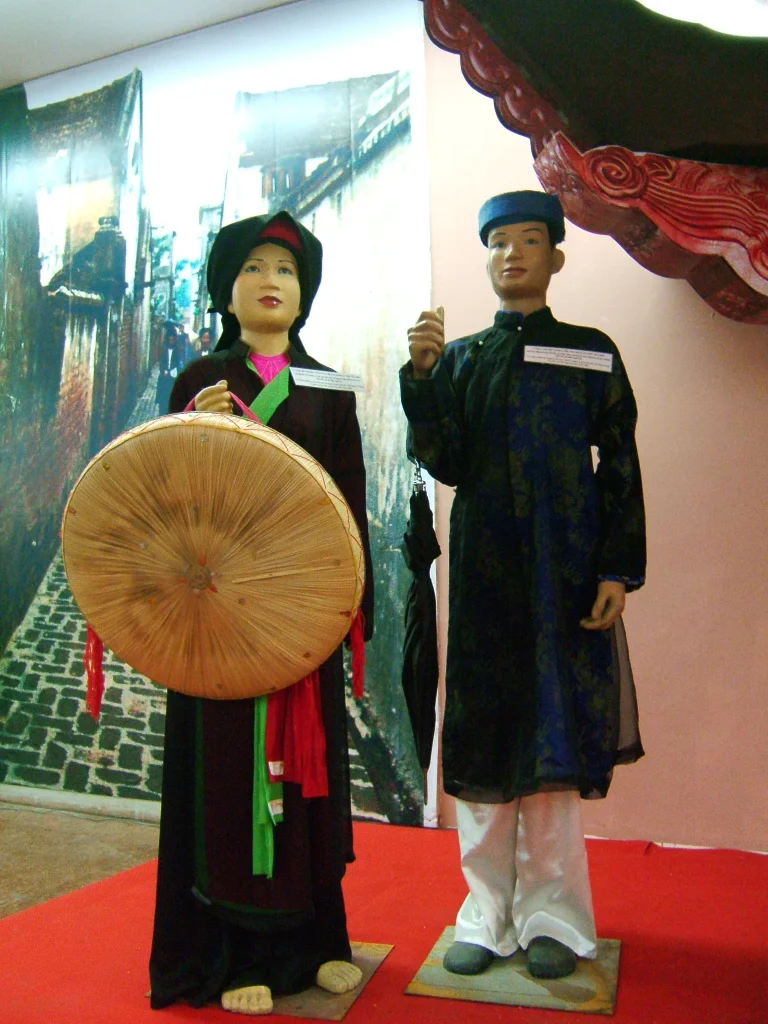
- Quan Họ Bắc Ninh folk songs (File 00183, 2009) represent Vietnam’s most internationally recognized ICH element — an antiphonal tradition where two women from one village and two men from another sing in a prescribed responsorial form, with over 400 distinct song texts and 213 melody variations, and a custom prohibiting romantic relationships between singing partners.
- Vietnam’s ICH inscriptions span all five ICH domains: oral traditions (Quan Họ, Ca Trù, Ví and Giặm), performing arts (Nhã Nhạc, Xòe dance, Bài Chòi), social practices and rituals (Gióng festival, Worship of Hùng Kings, Then practices), knowledge of nature (Space of Gong Culture), and traditional craftsmanship (Chăm pottery, Đông Hồ printing).
- Three Vietnamese elements are on the Urgent Safeguarding List: Ca Trù singing (File 00309, 2009), Art of pottery-making of Chăm people (File 01574, 2022), and the craft of making Đông Hồ folk woodblock printings (File 01737, 2025).
Vietnam UNESCO ICH: Nhã Nhạc, Gong Culture, and the First Inscriptions
Nhã Nhạc (File 00074, Representative List, 2008) — meaning “elegant music” — was Vietnam’s first UNESCO ICH recognition, originally proclaimed a Masterpiece of Oral and Intangible Heritage of Humanity in November 2003 under UNESCO’s earlier proclamation program. Nhã Nhạc refers to the range of musical and dance styles performed at the Vietnamese royal court from the 15th century through the mid-20th century: it accompanied ceremonies for coronations, funerals, royal anniversaries, religious festivals, and official diplomatic receptions during the Lê dynasty (1427–1788) and the Nguyễn monarchy (1802–1945). Large orchestras of singers, dancers, and musicians in ceremonial costumes performed with meticulous adherence to ritual protocol. The fall of the Nguyễn dynasty in 1945 and subsequent decades of war stripped Nhã Nhạc of its royal context, and the tradition survived only through the efforts of former court musicians and their descendants. UNESCO’s recognition in 2003 — transferred to the Representative List when it was established in 2008 — initiated national preservation efforts centered in Huế, the former imperial capital.
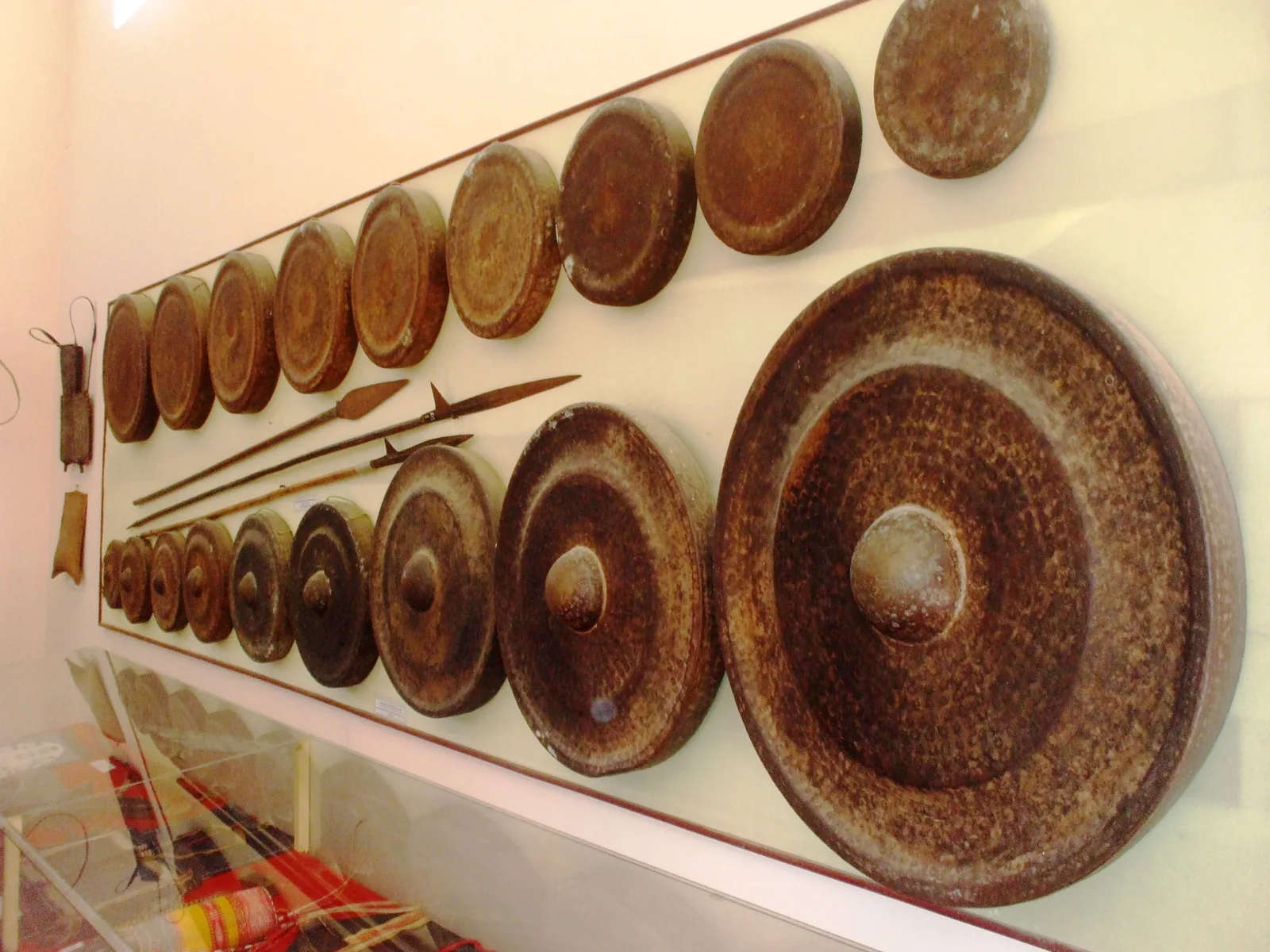
The Space of Gong Culture in the Central Highlands (File 00120, Representative List, 2008) was also transferred to the Representative List from Masterpiece status in 2008. The gong culture of the Bahnar, Jarai, Ê Đê, Mạ, and other Central Highlands peoples encompasses not merely the instruments but an entire social and cosmological system: gongs serve as intermediaries between the living and the spirit world, their sound considered a language through which communities communicate with nature deities and ancestral spirits. Each gong ensemble is distinct to its village — gongs cannot be separated from the community that commissioned and owns them. UNESCO’s recognition highlighted the threat posed by rapid economic development, population displacement, and the loss of the forest environments that sustained the gong-making tradition and its ritual contexts.
The year 2009 saw two additional inscriptions: Quan Họ Bắc Ninh folk songs (File 00183, Representative List) from the province of Bắc Ninh, and Ca Trù singing (File 00309, Urgent Safeguarding List). Quan Họ is an antiphonal vocal tradition in which two women from one village sing in harmony while two men from another village respond with matching melodies but different lyrics — a format that creates a formal, aestheticized dialogue between communities. The tradition includes more than 400 distinct song texts and 213 melody variations, four distinct singing techniques (restrained, resonant, ringing, and staccato), and the unique social rule that singing partners in the Quan Họ tradition are forbidden from forming romantic relationships with one another — the emotional content of the songs (longing, separation, love) exists specifically within the performance frame, not in real life. For context on Vietnam’s role in the wider UNESCO ICH system, the UNESCO intangible cultural heritage overview article explains the 2003 Convention framework that governs all inscriptions.
Ca Trù, Đờn Ca Tài Tử, and Vietnam’s Complete UNESCO ICH List
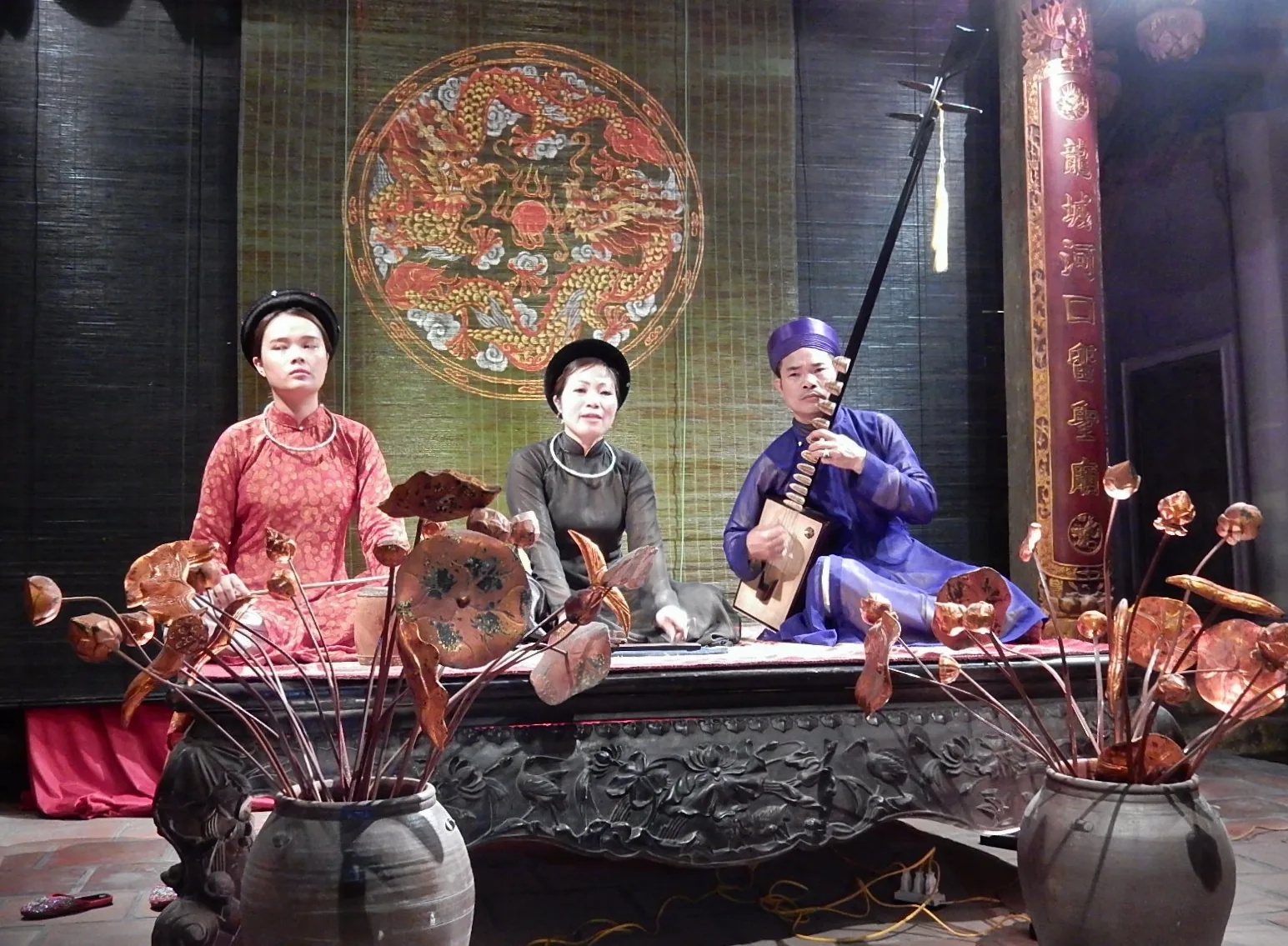
Ca Trù (File 00309, Urgent Safeguarding List, 2009) is a sophisticated Vietnamese chamber music genre in which a female singer (ca nương) performs an intricate repertoire of classical Vietnamese poetry while playing a small plectrum lute (đàn đáy), accompanied by a percussionist using a wooden clapboard — historically a male teacher who both keeps time and evaluates the performance. Ca Trù was associated historically with the literati culture of northern Vietnam: composed for court entertainment, mandarin gatherings, and religious ceremonies at communal houses and temples. The tradition’s placement on the Urgent Safeguarding List reflected its critical state: only a small number of practitioners capable of performing the full technical and literary repertoire remained active in 2009. Safeguarding efforts since then have centered on documenting the surviving repertoire and training new practitioners, but Ca Trù remains at risk.
Vietnam’s UNESCO ICH inscriptions from 2010 to 2025 expanded the recognized heritage to cover a wider geographic and ethnic range. The Gióng festival of Phù Đổng and Sóc temples (File 00443, 2010) celebrates the legendary child soldier Thánh Gióng who defeated foreign invaders — a reenactment festival that involves the entire community of Gia Lâm district in Hanoi. The Worship of Hùng Kings in Phú Thọ (File 00735, 2012) recognized the collective ritual practices surrounding the mythological founders of the Vietnamese nation. The Art of Đờn Ca Tài Tử music and song in southern Vietnam (File 00733, 2013) — an improvised chamber music genre developed in the Mekong Delta — is performed informally at social gatherings, life-cycle ceremonies, and festive occasions throughout southern Vietnam by an estimated 2 million practitioners in 21 southern provinces. The Practices of Then by the Tày, Nùng, and Thái ethnic groups (File 01379, 2019) represent the ritual music-poetry-performance tradition of northern highland communities in which Then practitioners perform ceremonies mediating between the human world and the spirit world using a two-stringed instrument (đàn tính) and rattle sticks (xóc nhạc).
The most recent additions reflect Vietnam’s ongoing engagement with the Convention. The Art of Xòe dance of the Tái people (File 01575, Representative List, 2021) recognized the circular communal dance of the Thái ethnic minority of northwestern Vietnam. The Art of pottery-making of Chăm people (File 01574, Urgent Safeguarding List, 2022) placed the hand-building ceramic tradition of the Chăm communities of Ninh Thuận and Bình Thuận provinces on the at-risk list due to declining numbers of practitioners and the loss of raw material access. The most recent inscription — the craft of making Đông Hồ folk woodblock printings (File 01737, Urgent Safeguarding List, December 2025) — recognized the traditional woodblock printing craft of Thuận Thành district in Bắc Ninh province, practiced for over 500 years and used to produce the brightly colored folk prints sold at New Year markets. For the authoritative list with file numbers and current status, ich.unesco.org/en/state/viet-nam-VN is the official source.
Frequently Asked Questions
How many UNESCO intangible cultural heritage elements does Vietnam have?
Vietnam has 17 UNESCO intangible cultural heritage inscriptions as of December 2025: 14 elements on the Representative List of the Intangible Cultural Heritage of Humanity and 3 on the List of Intangible Cultural Heritage in Need of Urgent Safeguarding. The most recent addition is the craft of making Đông Hồ folk woodblock printings (File 01737), inscribed on the Urgent Safeguarding List in December 2025.
What was Vietnam’s first UNESCO intangible cultural heritage?
Vietnam’s first UNESCO ICH recognition was Nhã Nhạc (Vietnamese royal court music, File 00074), which was proclaimed a Masterpiece of Oral and Intangible Heritage of Humanity in November 2003 — before the 2003 Convention’s Representative List was established. When the Representative List was created in 2008, Nhã Nhạc was transferred to it alongside the Space of Gong Culture in the Central Highlands (File 00120).
What is Quan Họ Bắc Ninh?
Quan Họ Bắc Ninh (File 00183, Representative List, 2009) is an antiphonal folk singing tradition from Bắc Ninh and Bắc Giang provinces in northern Vietnam. Two women from one village sing in harmony while two men from another village respond with matching melodies but different lyrics. The tradition has over 400 distinct song texts and 213 melody variations, and includes the unique social rule that prohibits singing partners from forming romantic relationships with each other, despite the emotional content of the songs.
Which Vietnamese ICH elements are on the Urgent Safeguarding List?
Three Vietnamese elements are on UNESCO’s List of Intangible Cultural Heritage in Need of Urgent Safeguarding: Ca Trù singing (File 00309, inscribed 2009), a sophisticated chamber music genre of northern Vietnam with critically few remaining practitioners; Art of pottery-making of Chăm people (File 01574, inscribed 2022), the hand-building ceramic tradition of Chăm communities in south-central Vietnam; and the craft of making Đông Hồ folk woodblock printings (File 01737, inscribed December 2025).
What is Đờn Ca Tài Tử?
Đờn Ca Tài Tử (Art of music and song in southern Vietnam, File 00733, Representative List, 2013) is an improvised chamber music and song genre that developed in the Mekong Delta region of southern Vietnam. It is performed informally at social gatherings, life-cycle ceremonies, and festive occasions by an estimated 2 million practitioners across 21 southern provinces. It draws on the Huế court music tradition but developed a distinctly southern character shaped by the cultural mixing of Vietnamese, Chinese, and Khmer communities in the Mekong Delta.