Traditional Skills for Japan’s Wooden Architecture: UNESCO Intangible Cultural Heritage (File 02293)
The Traditional skills, techniques and knowledge for the conservation and transmission of wooden architecture in Japan — a comprehensive set of seventeen skill categories covering the restoration and construction of Japan’s historic wooden buildings, from structural carpentry and lacquerwork to thatching, tile-making, and tatami production — was inscribed on UNESCO’s Representative List of the Intangible Cultural Heritage of Humanity in December 2020 at the 15th session of the Intergovernmental Committee (15.COM), registered as File 02293. The element was extended in December 2025 at the 20th session (20.COM), with Decision 20.COM 7.b.50 adding new techniques — including the weaving of Nakatsugi-omote tatami surfaces — to the recognized scope of the tradition. The inscription formally recognized these interdependent craft traditions as a living body of knowledge maintained by fourteen artisanal organizations in Japan, transmitting skills whose continuity is inseparable from the survival of Japan’s built wooden heritage.
- Japan’s wooden architecture skills are inscribed on UNESCO’s Representative List as File 02293, first inscribed at the 15th session of the Intergovernmental Committee (15.COM) in December 2020, and extended at 20.COM in December 2025 (Decision 20.COM 7.b.50).
- The element covers seventeen categories of skills — from structural carpentry and plastering to lacquer painting, thatching, tile-making, gold leaf work, and tatami production — preserved by fourteen artisanal organizations, including the Japanese Association for Conservation of Architectural Monuments.
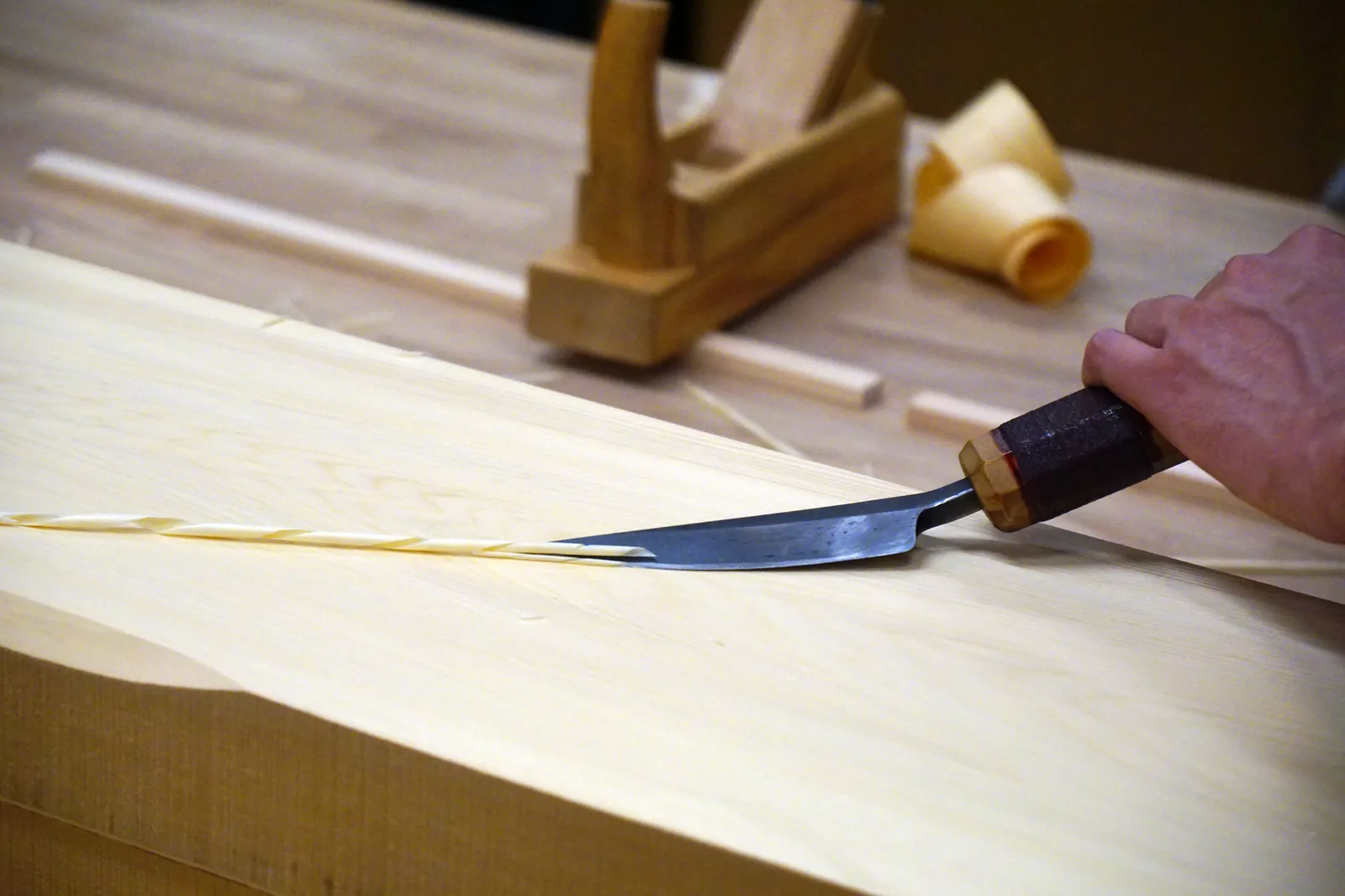
- The kanna (Japanese hand plane) is the emblematic tool of this tradition: skilled carpenters use it to produce wood shavings thinner than paper, a precision achievable only after years of practice and recognized by UNESCO as a marker of traditional craftsmanship.
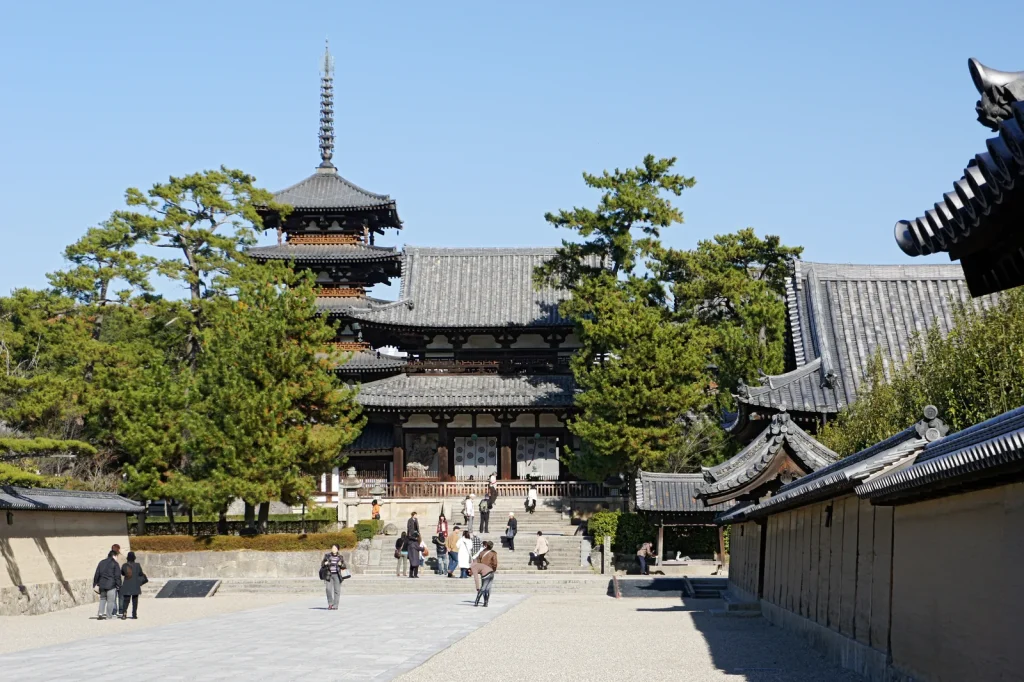
- Miyadaiku — shrine and temple carpenters — are the highest-ranking practitioners; the most celebrated modern figure was Nishioka Tsunekazu (1908–1995), master carpenter of Hōryū-ji, the world’s oldest surviving wooden structure, who devoted his life to transmitting Asuka-period building techniques.
- Japan’s hot, humid climate and history of earthquakes and fires have made continuous repair and reconstruction a cultural practice for more than a millennium — creating an unbroken tradition of wooden architecture skills at some 200 surviving temples and shrines designated as national cultural assets.
Japan’s Wooden Architecture Tradition and UNESCO Inscription
Japan’s tradition of building in wood — forming Buddhist temples, Shinto shrines, aristocratic residences, and vernacular structures from timber joined without nails through interlocking joinery — stretches back more than 1,400 years. The oldest surviving example, Hōryū-ji temple in Nara Prefecture, was constructed in the early 7th century CE during the Asuka period and represents both the longevity and the fragility of this tradition: the buildings have survived through unbroken cycles of skilled repair, not through preservation in stasis. Japan’s climate — hot summers, high humidity, and seasonal typhoons — combined with the frequency of earthquakes and fires creates conditions that require continuous structural attention. Wooden buildings deteriorate faster than stone or brick construction, making the skills of restoration as essential to the survival of historic structures as their original construction.
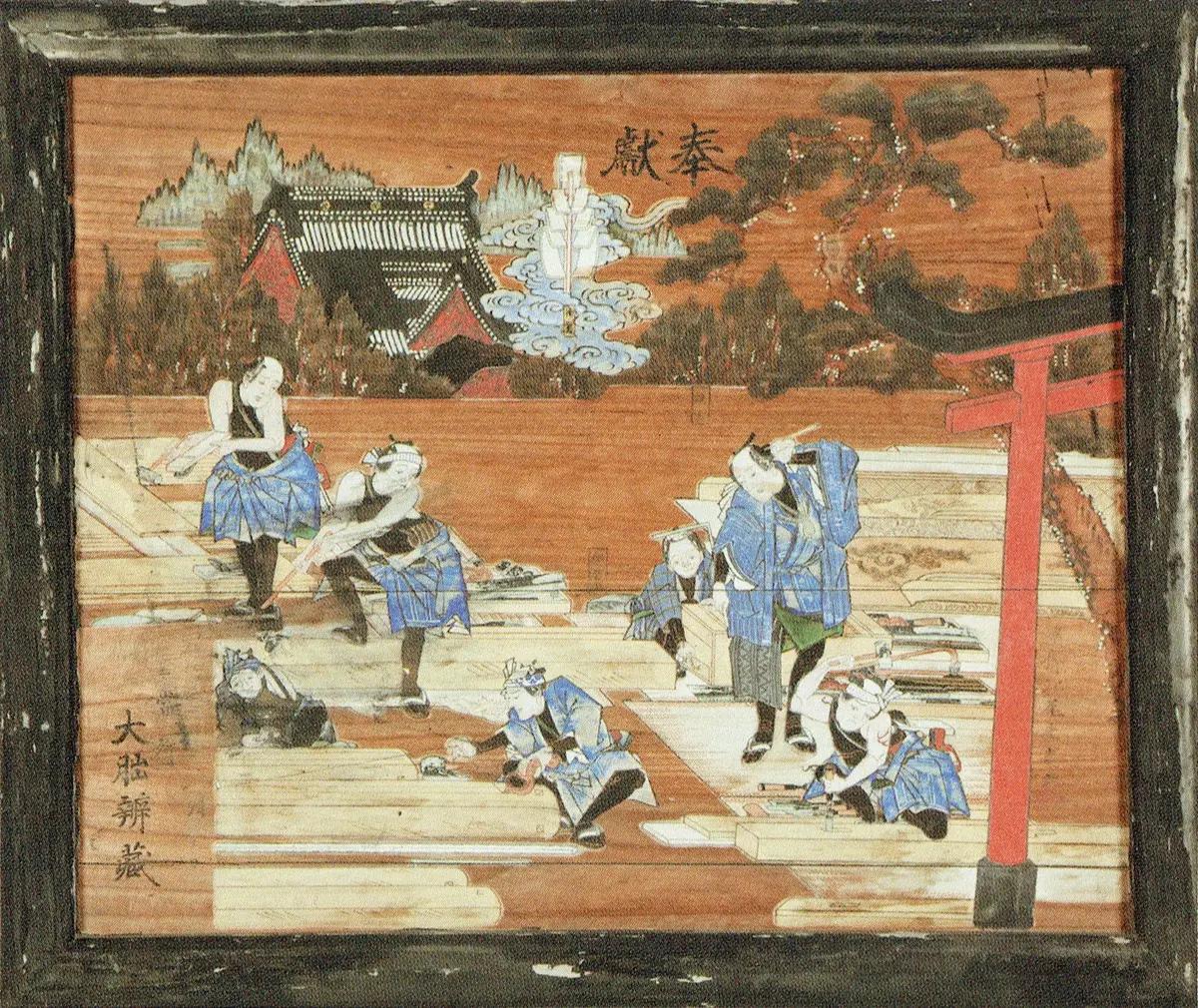
The practitioners at the apex of this tradition are the miyadaiku — literally “shrine and temple carpenters” — who specialize in the construction and restoration of sacred buildings using techniques transmitted across generations. The most recognized figure of the 20th century was Nishioka Tsunekazu (1908–1995), the master carpenter who oversaw restoration work at Hōryū-ji, Yakushi-ji, Tōshōdai-ji, and other UNESCO World Heritage sites in Nara. Known as “Oni” (demon) for the strictness of his teaching, Nishioka transmitted the kuden — oral teachings passed only mouth-to-mouth, including ten foundational principles that could not be written down without losing their meaning — to successive apprentices. The revival of the yariganna, a spear-headed plane predating the flat kanna, was among Nishioka’s most technically significant achievements: he recovered this near-forgotten Asuka-era tool from historical records and reintroduced it into active restoration practice at Hōryū-ji. Nishioka was designated an Important Intangible Cultural Asset of Japan in 1977, and his work became a direct foundation for the national and international recognition of the wooden architecture skill tradition.
UNESCO inscribed the element at 15.COM in December 2020, with the original designation covering seventeen skill categories across the full production chain of wooden architecture: structural carpentry, plastering, lacquerwork, thatching (using hinoki cypress bark and grass), tile-making and roofing, gold leaf production, metalwork, stone masonry for foundations, and the cultivation and harvesting of raw materials including timber and urushi lacquer. At 20.COM in December 2025, the scope was extended by Decision 20.COM 7.b.50 to include three additional techniques — most notably the weaving of Nakatsugi-omote, a specialized form of tatami surface integral to the interiors of historic wooden structures. For comparative context on Japan’s full UNESCO ICH portfolio, the UNESCO intangible cultural heritage examples article covers Japan’s inscriptions alongside the full Representative List.
The Kanna, the Seventeen Skills, and Transmission of the Tradition
The kanna — a Japanese hand plane consisting of a wooden block containing a laminated steel blade, a sub-blade for pressure, and a securing pin — is the emblematic tool of the miyadaiku tradition and, by extension, of Japan’s wooden architecture craft as recognized by UNESCO. Unlike Western planes, which are pushed forward, the kanna is pulled toward the body: the resistance of the blade against the wood grain is read through touch and sound, allowing a skilled carpenter to produce shavings thinner than a sheet of paper. Achieving this precision — consistently, across different wood species and grain directions — requires years of daily practice calibrating the blade depth and angle. The thinness of the shaving is not aesthetic display but functional: a surface planed to this fineness resists moisture absorption more effectively than a sanded surface, extending the life of structural and decorative wooden elements. The kanna is used in preparing timber for joints, finishing surfaces, and fitting replacement pieces to centuries-old structures where tolerances are measured in fractions of a millimeter.
The seventeen skill categories recognized in the UNESCO inscription reflect the interdependence of the crafts required to build and maintain a large wooden temple or shrine complex. Beyond the structural carpentry of the miyadaiku, the designation includes: plasterers who apply and maintain the clay and lime wall systems found inside historic structures; lacquer artists who paint and restore the decorative urushi coatings on pillars, beams, and altar furniture; thatchers who harvest and apply hinoki cypress bark for roofing (a technique distinct from grass thatching and requiring specialized knowledge of bark harvesting cycles); kawara tile makers who produce and install the distinctive curved ceramic roof tiles of Buddhist temple architecture; and specialists in gold leaf application, wooden sculpture, and metalwork fittings. The cultivation and harvesting of raw materials — including timber selection (hinoki cypress is preferred for its durability and workability), urushi tree tapping, and the cultivation of specific grass species for tatami cores — is also part of the inscribed element, recognizing that the supply chain of natural materials is as threatened as the processing skills themselves.
Transmission of the tradition historically followed a strict master-apprentice model — in some families, the master carpenter role passed from father to son across multiple generations, as with Nishioka, whose grandfather and father were both temple carpenters at Hōryū-ji before him. The modernization of Japan’s construction sector beginning in the Meiji period (1868–1912) disrupted this lineage transmission: industrial building methods, prefabricated components, and a declining number of historic structures requiring specialist maintenance reduced the pool of active practitioners. The fourteen artisanal organizations now responsible for maintaining the seventeen skill categories emerged from this disruption — formalized preservation bodies that supplement direct apprenticeship with structured training sessions, documentation projects, and organized knowledge transfer to younger craftspeople. Today, approximately 200 national cultural properties in Japan require the specialized maintenance skills covered by the UNESCO inscription. For official documentation, ich.unesco.org is the authoritative source.
Frequently Asked Questions
Is Japan’s wooden architecture craft on the UNESCO intangible cultural heritage list?
Yes. “Traditional skills, techniques and knowledge for the conservation and transmission of wooden architecture in Japan” is inscribed on UNESCO’s Representative List of the Intangible Cultural Heritage of Humanity as File 02293. It was first inscribed in December 2020 at the 15th session of the Intergovernmental Committee (15.COM) and extended in December 2025 at the 20th session (20.COM, Decision 20.COM 7.b.50) to include additional techniques including the weaving of Nakatsugi-omote tatami surfaces.
What is kanna in Japanese woodworking?
Kanna is the traditional Japanese hand plane — a wooden block with a laminated steel blade, sub-blade, and securing pin. Unlike Western planes (pushed forward), kanna is pulled toward the body. Skilled carpenters use it to produce wood shavings thinner than paper through precise blade calibration achievable only after years of training. The resulting smooth surface resists moisture better than sanding, extending the life of wooden architectural elements. Kanna use is central to the miyadaiku (shrine/temple carpenter) tradition recognized in Japan’s UNESCO ICH inscription.
What are the seventeen skill categories in Japan’s wooden architecture UNESCO ICH?
The seventeen categories covered by File 02293 include structural carpentry (miyadaiku), plastering, lacquerwork, thatching with hinoki cypress bark, kawara tile production and roofing, gold leaf application, wood carving, metalwork fittings, stone masonry, and the cultivation and harvesting of raw materials (timber, urushi lacquer, grasses). The 2025 extension added techniques including the weaving of Nakatsugi-omote tatami surfaces. All seventeen categories are maintained by fourteen dedicated artisanal organizations in Japan.
Who is Nishioka Tsunekazu?
Nishioka Tsunekazu (1908–1995) was Japan’s most celebrated miyadaiku (shrine and temple carpenter) of the 20th century. Born near Hōryū-ji temple in Nara, he became its master carpenter in 1934 and led restoration work at Hōryū-ji, Yakushi-ji, Tōshōdai-ji, and other World Heritage sites across his career. Known as “Oni” (demon) for his demanding teaching, Nishioka transmitted the oral kuden teachings of Asuka-period carpentry — including the revival of the yariganna (spear-headed plane) — to successive apprentices. He was designated an Important Intangible Cultural Asset of Japan in 1977.
Why is wooden architecture in Japan considered intangible heritage?
UNESCO’s inscription recognizes that the survival of Japan’s historic wooden buildings depends entirely on living human knowledge — the skills to repair, restore, and rebuild using traditional techniques. Japan’s hot, humid climate, earthquakes, and fires require continuous maintenance of wooden structures. Without practitioners trained in the seventeen specialized skill categories (structural carpentry, lacquerwork, thatching, tile-making, and others), the approximately 200 wooden national cultural properties in Japan would face irreversible deterioration. The intangible heritage is the knowledge itself — not the buildings, which are the evidence that the knowledge has been successfully transmitted.