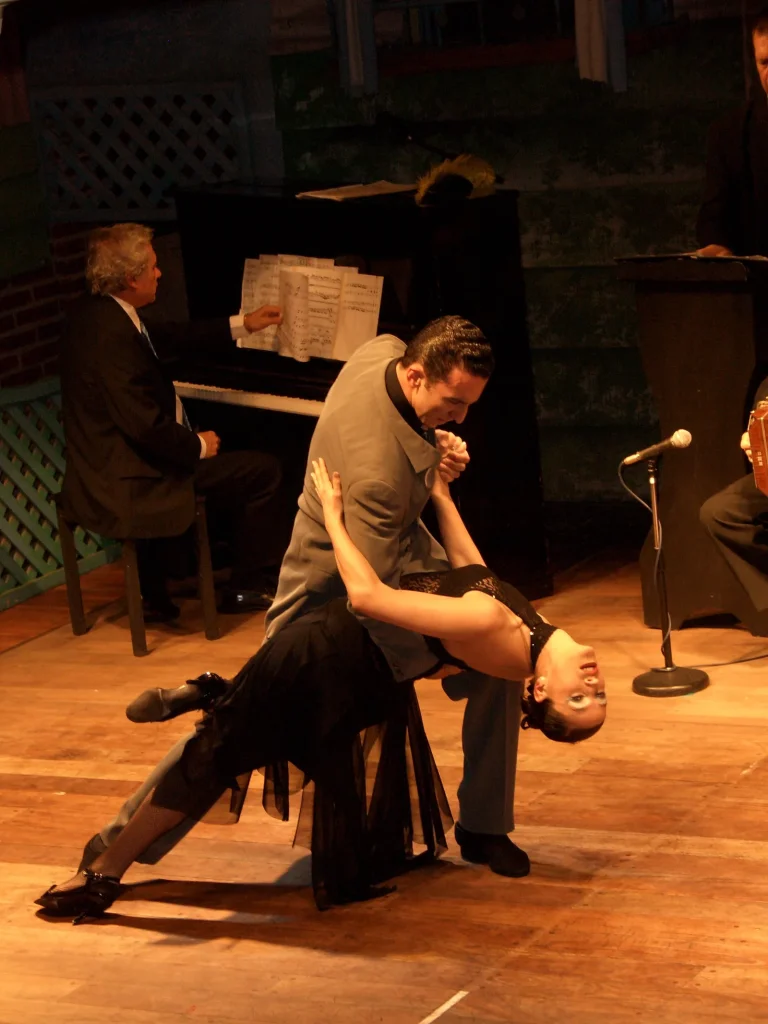
Tango UNESCO Intangible Cultural Heritage: Year, Inscription, and the Rio de la Plata Origins
Tango was inscribed on UNESCO’s Representative List of the Intangible Cultural Heritage of Humanity in 2009 — specifically on October 1, 2009, at the fourth session of the Intergovernmental Committee for the Safeguarding of the Intangible Cultural Heritage (4.COM), held in Abu Dhabi, United Arab Emirates. The inscription was a joint nomination by Argentina and Uruguay, the two nations that share the birthplace of tango — the cities of Buenos Aires and Montevideo, separated by the Rio de la Plata. Tango holds UNESCO File No. 00258. The 4.COM session in Abu Dhabi inscribed 76 elements in total; tango was among the first nominations examined and approved. With this designation, UNESCO recognized tango not simply as a dance but as a complete cultural practice encompassing song, music, poetry, and the social spaces — the milongas — where all of these elements combine and are transmitted.
- Tango was inscribed on UNESCO’s Representative List on October 1, 2009 at the 4th Committee session (4.COM) in Abu Dhabi, UAE, as File No. 00258.
- The inscription is a joint nomination by Argentina and Uruguay — representing Buenos Aires and Montevideo respectively — the two cities in the Rio de la Plata basin where tango originated.
- UNESCO’s designation covers music, dance, and poetry as three interlocking elements, along with the communities of musicians, dancers, choreographers, composers, songwriters, and teachers who sustain the tradition.
- Tango emerged from a convergence of African (candombe rhythms), European immigrant (habanera, waltz, polka), and local traditions in the working-class port neighborhoods of Buenos Aires and Montevideo in the late 19th century.
- The word “tango” first appears in an official document from 1789 in Argentina — in a complaint about slave dances — making it one of the oldest documented roots of any UNESCO-inscribed performing art.
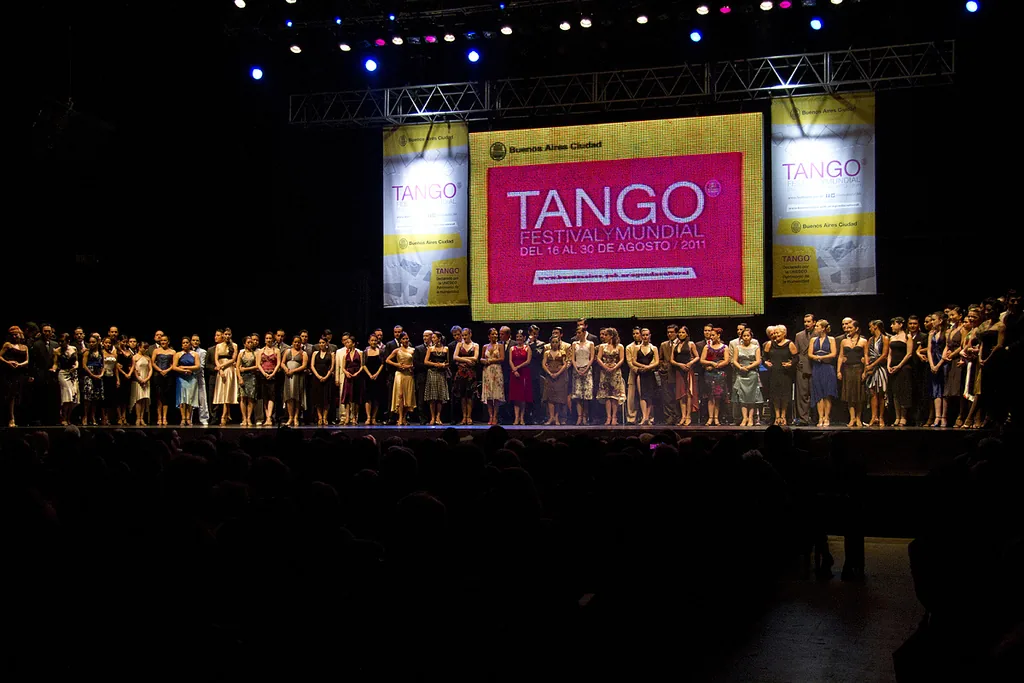
The 2009 UNESCO Inscription: What Argentina and Uruguay’s Joint Nomination Covers
UNESCO’s 4th Committee session inscribed 76 elements on the Representative List in 2009. The tango inscription is distinguished by its binational structure — Argentina and Uruguay submitted the nomination jointly, explicitly representing both Buenos Aires and Montevideo as co-birthplaces of equal standing. This framing was deliberate: tango emerged across both sides of the Rio de la Plata simultaneously, and any inscription attributed to one country alone would misrepresent the tradition’s geography.
What the Inscription Covers: Music, Dance, Poetry, and Milongas
The UNESCO inscription for tango encompasses three interconnected artistic forms:
- Music (the tango orchestra tradition): The characteristic instrumentation of the orquesta típica — bandoneón (a button accordion of German origin that became tango’s defining instrument), violin, piano, double bass, and in later periods, other strings. The bandoneón’s distinctive, melancholic sound defines tango’s emotional palette.
- Dance (tango as a partner dance): The close-embrace improvised partner dance performed in milongas, characterized by walking, pivots, and leg wraps — its footwork vocabulary developed in the working-class conventillos (tenement houses) and arrabales (outskirts) of Buenos Aires before being refined through the professional performance circuit.
- Poetry (tango lyrics): The letra de tango (tango lyric tradition), particularly through the genre of tango-canción (song tango), addresses themes of nostalgia, loss, betrayal, and urban life. UNESCO recognized the lyrical tradition as a distinct element of the form — not incidental to the dance but constitutive of it.
Equally important in UNESCO’s documentation is the social infrastructure of tango: the milonga (both the specific dance style that preceded tango and the gathering/venue where tango is danced). The milonga as a social institution — a space where community members gather to dance, socialize, and transmit the tradition informally to younger generations — is explicitly identified in the inscription as the primary transmission mechanism for living tango practice. UNESCO’s documentation of tango safeguarding thus covers not only the artistic forms but the social ecology that sustains them.
The Communities: Musicians, Dancers, and Teachers
The 2009 inscription explicitly identified the communities of practice that constitute tango’s living transmission network: musicians, dancers (professional and amateur), choreographers, composers, songwriters, and teachers. This inclusive framing — covering amateur practitioners alongside professionals — reflects the UNESCO 2003 Convention’s emphasis on community-based transmission rather than elite artistic preservation. Tango is not protected as a classical art form transmitted through academies; it is protected as a living community practice maintained through the informal social circuits of the milonga and the teacher-student relationships that form within them.
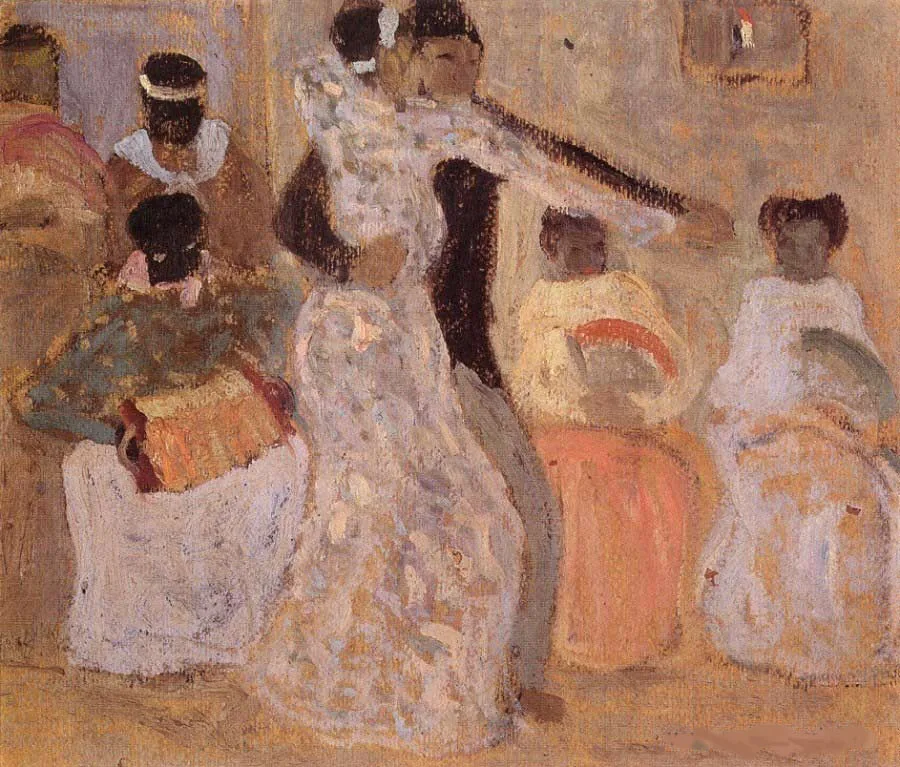
Tango’s Origins: The Rio de la Plata Cultural Synthesis
The UNESCO inscription situates tango’s emergence in the working-class port neighborhoods of Buenos Aires and Montevideo at the end of the 19th century — but the cultural streams it synthesizes are much older. Understanding tango’s origins helps explain why UNESCO’s documentation emphasizes diversity and cultural dialogue as the tradition’s foundational values.
African Roots: Candombe and the 1789 Document
The African dimension of tango’s origins is both the oldest and the most historically documented. The word “tango” appears in an official Argentine government document from 1789 — in the context of a complaint about unauthorized gatherings of enslaved Africans, where officials described the spaces where they “played music and danced” as tangos. This reference predates any systematic music recording and establishes the African community in the Rio de la Plata as the first-named progenitors of the practice.
The immediate African musical ancestor of tango is the candombe — a percussion-based communal dance tradition of Afro-Uruguayan and Afro-Argentine communities, which UNESCO separately inscribed on the Representative List at the same 4.COM session in 2009 (File 00182). The candombe’s rhythmic sensibility — complex syncopation, call-and-response structure, communal participation — passed directly into the milonga, an Afro-Argentine dance form that is the immediate precursor to tango. Without candombe and milonga, there is no tango.
European Immigrant Wave: Habanera, Waltz, and the Bandoneón
Argentina’s booming agricultural economy attracted approximately seven million European immigrants between 1870 and 1930 — from Italy, Spain, Germany, Eastern Europe, and the Ottoman Empire — who settled primarily in Buenos Aires and its surroundings. These immigrants brought with them the habanera (a Cuban-Spanish rhythm that had already absorbed African influence), the Neapolitan song tradition, the waltz, the polka, and the mazurka. The fusion of these rhythms with the existing Afro-Argentine milonga in the arrabales of Buenos Aires produced what would become tango.
The German instrument that came to define tango’s sound — the bandoneón, a type of concertina brought to Argentina by German immigrants — was originally designed for church use but was repurposed into tango orchestras in the early 20th century. Its capacity to sustain notes and create dynamic contrasts gave tango its characteristic sound of controlled anguish.
The Golden Age, Global Spread, and the Diaspora Years
The Golden Age of tango (roughly 1935–1952) produced the orquestas típicas, the professional milonga circuit, and the tradition of the great orchestras — Osvaldo Pugliese, Aníbal Troilo, Carlos di Sarli, and Juan D’Arienzo — whose recordings remain the canonical repertoire for milongas worldwide. The era also produced Carlos Gardel (1890–1935), whose recordings brought tango into global popular culture decades before the UNESCO inscription; his death in a 1935 plane crash in Colombia transformed him into the symbolic embodiment of tango’s nostalgic dimension.
During Argentina’s military dictatorship (1976–1983), tango gatherings were suppressed as potential sites of political assembly, driving the tradition into exile and underground. The post-dictatorship revival of the 1980s and 1990s — accelerated by the international success of the stage show Tango Argentino (1983) — restored tango to Buenos Aires’s public life and simultaneously spread it globally. By 2009 when UNESCO inscribed it, tango communities existed in Japan, Finland, the Netherlands, Germany, the United States, and dozens of other countries. Finland notably developed its own tango tradition so distinct in sound and social context that it constitutes a separate cultural phenomenon from the Argentine-Uruguayan practice UNESCO inscribed.
For the official UNESCO documentation including the full nomination file, periodic reports, and Committee decisions, ich.unesco.org/en/RL/tango-00258 is the primary source. For context on the broader ICH system that includes tango alongside flamenco (inscribed at the same 5.COM session a year later) and hundreds of other elements, the UNESCO intangible cultural heritage overview traces the full system from the 2003 Convention to 2025.
Frequently Asked Questions
What year was tango inscribed on UNESCO’s intangible cultural heritage list?
Tango was inscribed on October 1, 2009, at the 4th session of the Intergovernmental Committee for the Safeguarding of the Intangible Cultural Heritage (4.COM) in Abu Dhabi, United Arab Emirates. It holds UNESCO File No. 00258 on the Representative List of the Intangible Cultural Heritage of Humanity.
Which countries hold the UNESCO tango inscription?
The tango inscription is jointly held by Argentina and Uruguay — both countries co-nominated it as the two nations sharing tango’s Rio de la Plata birthplace. The inscription specifically represents Buenos Aires (Argentina) and Montevideo (Uruguay) as co-equal sites of the tradition’s origin.
What does UNESCO’s tango inscription protect?
The inscription covers three interconnected elements: music (the tango orchestra tradition, including the bandoneón), dance (the close-embrace improvised partner dance), and poetry (the letra de tango lyrical tradition). It also explicitly covers the communities of practitioners — musicians, dancers, choreographers, composers, songwriters, and teachers — and the milonga as the primary social space of transmission.
What are the African origins of tango?
The word “tango” first appears in an 1789 Argentine official document referring to slave gatherings. The immediate African musical ancestor is the candombe — a percussion-based dance of Afro-Uruguayan and Afro-Argentine communities, which UNESCO separately inscribed at the same 4.COM session (File 00182). The milonga, an Afro-Argentine dance form descended from candombe, is the direct precursor to tango.
Does UNESCO’s tango inscription cover ballroom tango?
No. UNESCO’s inscription covers the Argentine-Uruguayan tango tradition specifically — the social dance of the milongas, the orquesta típica music, and the tango-canción lyrical tradition. International ballroom tango (as practiced in competitive dance) developed from Argentine tango but evolved into a separate stylized form and is not covered by the UNESCO inscription.