Garba Dance UNESCO Intangible Cultural Heritage: 2023 Inscription, Navratri, and the Womb Dance of Gujarat
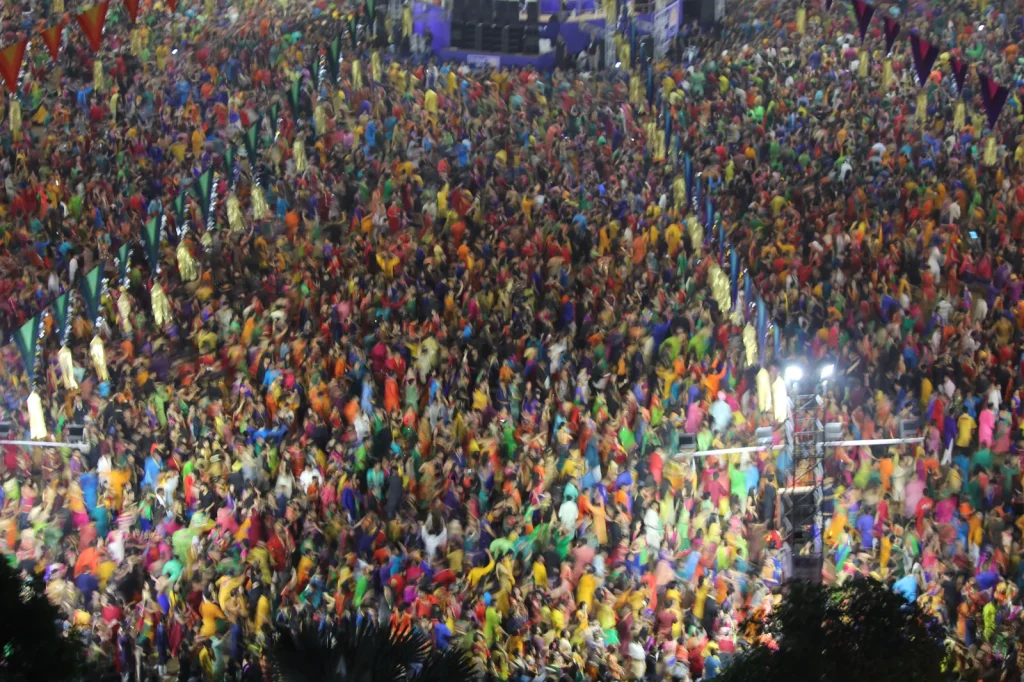
Garba was inscribed on UNESCO’s Representative List of the Intangible Cultural Heritage of Humanity on December 6, 2023, at the 18th session of the Intergovernmental Committee for the Safeguarding of the Intangible Cultural Heritage (18.COM), held in Kasane, Botswana. The inscription was approved under Decision 18.COM 8.B.32 and assigned UNESCO File No. 01962. The official name on the Representative List is “Garba of Gujarat.” India is the sole nominating country. Garba is the 15th ICH element from India on the Representative List. With this inscription, UNESCO recognized garba as a ritualistic and devotional dance tradition performed during the Hindu festival of Navratri — encompassing circular dance, devotional music, the craft of the sacred earthen pot, and the communities of practitioners who together sustain the tradition across nine nights each year.
- Garba was inscribed on December 6, 2023 at the 18th Committee session (18.COM) in Kasane, Botswana, under Decision 18.COM 8.B.32, as File No. 01962.
- The official title is “Garba of Gujarat” — India’s 15th element on the Representative List of the Intangible Cultural Heritage of Humanity.
- The word “garba” derives from the Sanskrit garbha (गर्भ), meaning “womb” — the dance is performed around a perforated earthenware pot lit with an oil lamp, symbolizing the divine feminine life force.
- Garba is performed during Navratri (Nine Nights), the Hindu festival dedicated to goddess Amba (a form of Durga/Shakti) — a counterclockwise circle dance that fosters social equality across caste, gender, and class.
- UNESCO recognized garba as inclusive and participatory, explicitly noting that it dilutes “socio-economic, gender and religious structures” — making it one of the few inscriptions to explicitly cite social equality as a heritage value.
The 2023 UNESCO Inscription: What India’s Nomination Covers
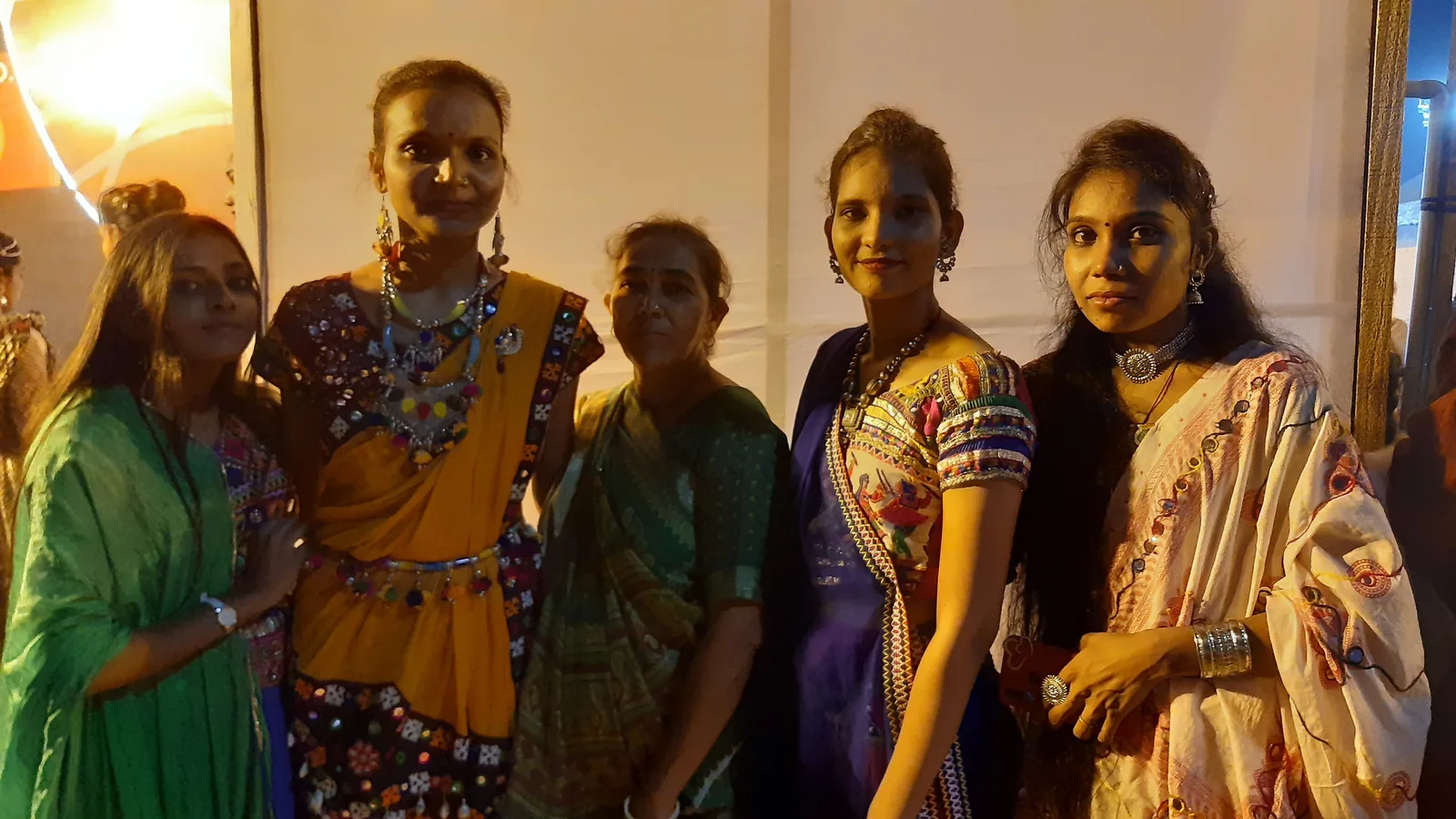
The 18.COM session in Kasane, Botswana (December 5–9, 2023) inscribed garba under Decision 18.COM 8.B.32 on December 6. This was the 18th Committee session, and garba’s inscription came as part of a batch of elements evaluated at 18.COM. The nomination was submitted by India alone, representing the tradition as practiced in the state of Gujarat — though garba is performed across the global Gujarati diaspora.
What the Inscription Covers: Dance, Music, Craft, and Communities
UNESCO’s inscription for garba covers four interconnected elements:
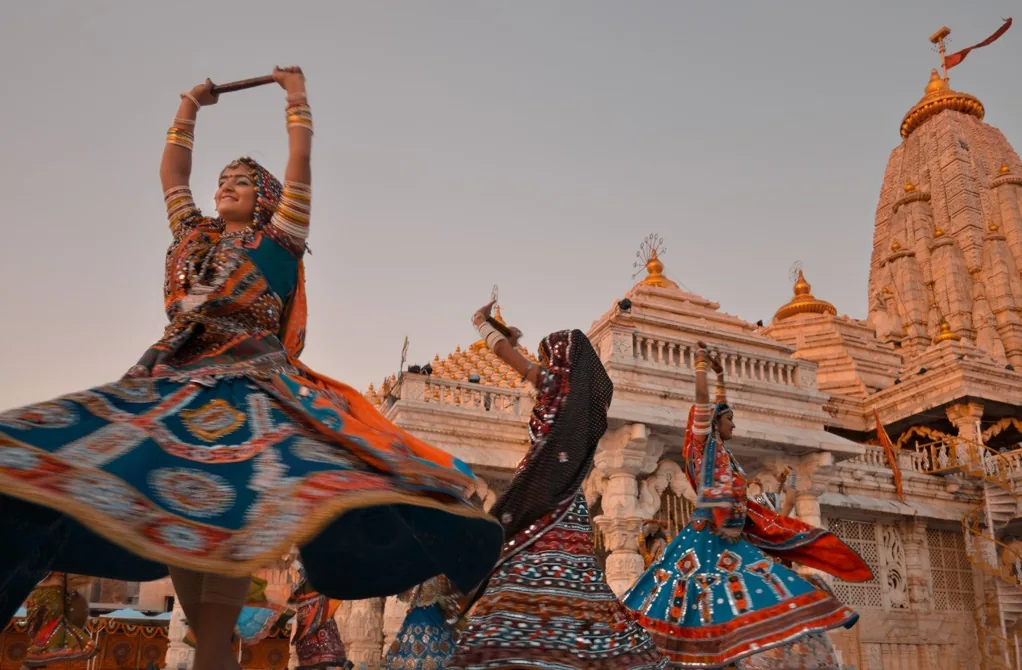
- Ritual dance: The circular, counterclockwise dance performed around the sacred earthen pot or an image of goddess Amba. Dancers form concentric circles moving in opposite directions, beginning with slow movements that build progressively in tempo. The act of circling — returning to the center as the origin point — is understood as an expression of the cyclical nature of life. The movements range from simple handclaps and singing to more elaborate footwork and turns.
- Devotional music: Garba songs (garba geet) form the sonic framework of the dance. These devotional compositions address Amba, the mother goddess, and accompany the dancers through Navratri’s nine nights. The musical tradition includes both traditional compositions passed down through generations and contemporary adaptations. Musicians — playing instruments including the dhol (drum), tabla, and harmonium — are explicitly included in the inscription’s community framework.
- The earthen pot (garbha deep): The defining visual symbol of garba is the garbha deep — a perforated earthenware pot containing a lit oil lamp. The holes in the pot allow the light to emerge, symbolizing the divine light within the womb (garbha). The potters and craftspeople who produce these sacred objects are specifically mentioned in UNESCO’s inscription as part of the tradition’s community of practitioners.
- Navratri festive context: Garba takes place within the nine-night Navratri festival, which falls in October or November according to the Hindu lunar calendar. Each of the nine nights is associated with a different form of the goddess Shakti. The social gathering of the entire community — across caste, economic class, and gender — around the garba performance is itself a heritage practice, recognized by UNESCO as an expression of social cohesion.
Communities and Transmission
The 2023 inscription explicitly named a broad community of practitioners: dancers, musicians, social groups, craftspeople (pot and lamp makers), and religious figures involved in the festivities and preparations. UNESCO’s documentation specifically emphasized that garba’s transmission occurs informally through practice, performance, imitation, and observation — both in urban and rural areas. Young practitioners learn garba by participating, not through formal instruction, and the tradition is reproduced annually through the festival cycle itself. This community-based, participatory transmission model is what UNESCO identified as garba’s primary safeguarding mechanism.
The inscription also cited garba’s social equality dimension as a distinct heritage value: the tradition “fosters social equality by diluting socio-economic, gender and religious structures.” UNESCO’s documentation noted that garba is “inclusive of diverse and marginalized communities” — making this one of the relatively rare inscriptions to explicitly frame social cohesion and equality as intrinsic components of the intangible heritage being protected.
Garba’s Origins: Navratri, Shakti, and the Womb Dance
The UNESCO inscription situates garba in Gujarat’s village tradition — performed in communal gathering spaces at the center of the village, with the entire community participating. But the tradition’s roots are older, embedded in the Hindu devotional framework surrounding goddess Amba and the Navratri festival cycle.
The Sanskrit Etymology and Goddess Amba
The word garba is derived from the Sanskrit garbha (गर्भ), meaning “womb” — a term that encompasses the ideas of gestation, origin, and the creative life force. This etymology is not incidental but constitutive: garba is understood as a dance about the source of life itself. The perforated earthen pot at the center of the dance — the garbha deep — makes this symbolism physical: light emerging through holes in a vessel shaped like a womb, representing the divine feminine energy that animates existence.
The dance is performed in worship of Amba — also known as Ambaji, the mother goddess of Gujarat, a form of Durga/Shakti (the primordial feminine energy). Navratri — “Nine Nights” — is the festival dedicated to Shakti’s nine manifestations, each night honoring a different form of the goddess. Garba is the primary devotional act of this festival: the circular dance performed by communities gathered around the goddess’s image or symbol. The counterclockwise direction of the dance reflects the Hindu understanding of cosmic time.
Dandiya Raas and the Gujarat Folk Tradition
Garba’s sibling form is dandiya raas — a stick dance performed at the end of each Navratri night, in which participants hold a short decorated stick (dandiya) in each hand and strike a partner’s sticks in rhythmic patterns while turning in a circle. Where garba is devotional and inward (focused on the goddess at the center), dandiya raas is celebratory and rhythmically martial. Together, garba and dandiya raas constitute the complete Navratri dance tradition in Gujarat.
Garba has spread globally through the Gujarati diaspora — to the United Kingdom, the United States, East Africa, and Southeast Asia — where Navratri celebrations organize community garba events that function as both religious practice and cultural identity maintenance. International garba competitions and stage performances have developed contemporary performance traditions alongside the village-based ritual practice. UNESCO’s inscription covers the ritual, community-based tradition; stage and competitive garba are developments from it but not its core.
For the official UNESCO documentation including the full nomination file, periodic reports, and Committee decisions, ich.unesco.org/en/RL/garba-of-gujarat-01962 is the authoritative source. For context on the broader ICH system that places garba alongside Kumbh Mela (File 01258, 2017) as part of India’s 15 ICH inscriptions, the UNESCO intangible cultural heritage overview traces the full system from the 2003 Convention to 2025.
Frequently Asked Questions
When was garba inscribed on UNESCO’s intangible cultural heritage list?
Garba was inscribed on December 6, 2023, at the 18th session of the Intergovernmental Committee for the Safeguarding of the Intangible Cultural Heritage (18.COM) in Kasane, Botswana, under Decision 18.COM 8.B.32. It holds UNESCO File No. 01962 on the Representative List of the Intangible Cultural Heritage of Humanity under the official name “Garba of Gujarat.”
What does the word “garba” mean?
The word “garba” derives from the Sanskrit garbha (गर्भ), meaning “womb.” The dance is performed around a perforated earthenware pot (garbha deep) lit with an oil lamp, symbolizing the divine light emerging from the womb — the source of life. This etymology connects garba directly to its religious significance: a dance celebrating the divine feminine creative force (Shakti) worshipped during Navratri.
What is the connection between garba and Navratri?
Garba is the primary devotional dance of Navratri — the nine-night Hindu festival dedicated to goddess Amba (a form of Durga/Shakti). Each of the nine nights honors a different manifestation of Shakti, and garba is performed as a communal act of worship throughout the festival. The dance takes place around the garbha deep (sacred earthen pot) or an image of the goddess, with the entire community participating.
What is dandiya raas, and how is it different from garba?
Dandiya raas is a stick dance performed at the end of each Navratri night, in which participants hold a short decorated stick (dandiya) in each hand and tap a partner’s sticks while circling. Garba is devotional and centers on the goddess at the circle’s center; dandiya raas is celebratory and rhythmically martial. Together they constitute the complete Navratri dance tradition in Gujarat, though UNESCO’s 2023 inscription covers garba specifically.
Which country holds the UNESCO garba inscription?
India is the sole nominating country for garba, specifically representing the tradition as practiced in Gujarat. The official inscription title is “Garba of Gujarat.” Garba is India’s 15th element on the Representative List of the Intangible Cultural Heritage of Humanity. Although garba is practiced by Gujarati diaspora communities worldwide, the UNESCO inscription is held by India alone.