Mexico UNESCO Intangible Cultural Heritage: Complete List of 12 Inscriptions
Mexico’s UNESCO intangible cultural heritage comprises 12 inscribed elements on the Representative List of the Intangible Cultural Heritage of Humanity — spanning pre-Columbian festivity traditions, indigenous performing arts, ancestral agricultural knowledge, colonial equestrian heritage, and syncretic musical forms. Mexico ratified the 2003 Convention for the Safeguarding of the Intangible Cultural Heritage on December 14, 2005. Its heritage inscriptions reflect the country’s complex cultural layering: indigenous traditions (Totonac, P’urhépecha, Otomí-Chichimecas), colonial and mestizo expressions (charrería, mariachi, talavera), and syncretic forms that fuse pre-Columbian and Catholic practice (Día de Muertos, the Passion Play of Iztapalapa). The most recent addition — the Representation of the Passion, Death and Resurrection of Christ in Iztapalapa (File 02237) — was inscribed in December 2025.
- Mexico has 12 UNESCO ICH inscriptions on the Representative List as of December 2025, plus one recognized Good Safeguarding Practice — the Totonac arts centre in Veracruz (File 00666, 2012).
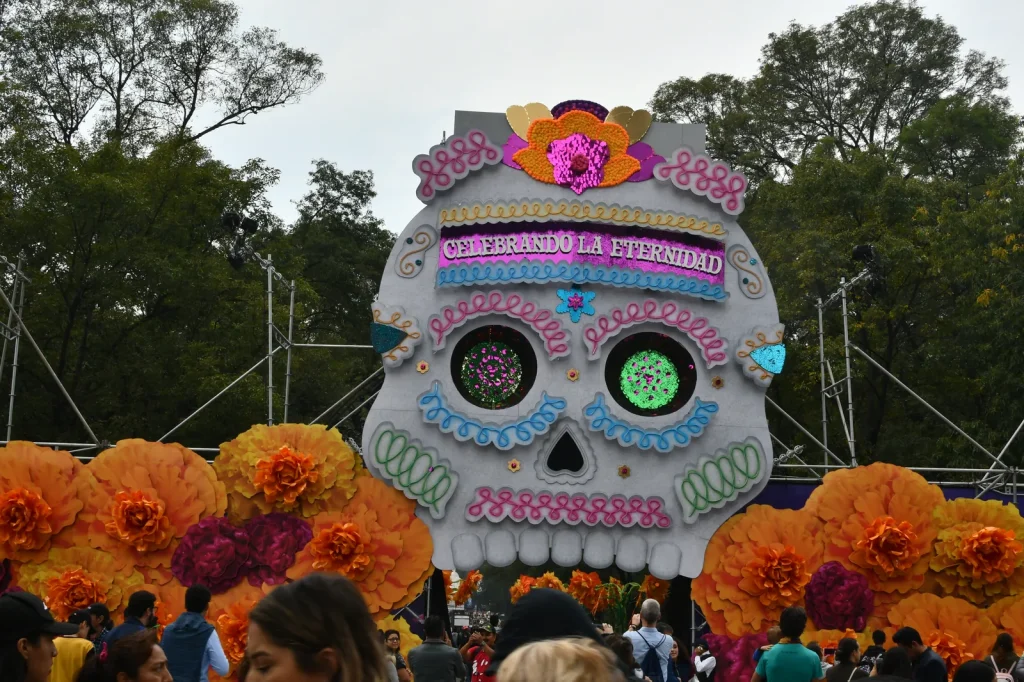
- Mexico’s first UNESCO ICH recognition was the “Indigenous festivity dedicated to the dead” (File 00054, 2008) — the Día de Muertos tradition, originally proclaimed a Masterpiece of Oral and Intangible Heritage in 2003.
- The traditional Mexican cuisine inscription (File 00400, 2010) recognized the milpa agricultural system and the community cooking practices of Michoacán as living ICH — the first cuisine recognized by UNESCO for its cultural practice rather than just its products.
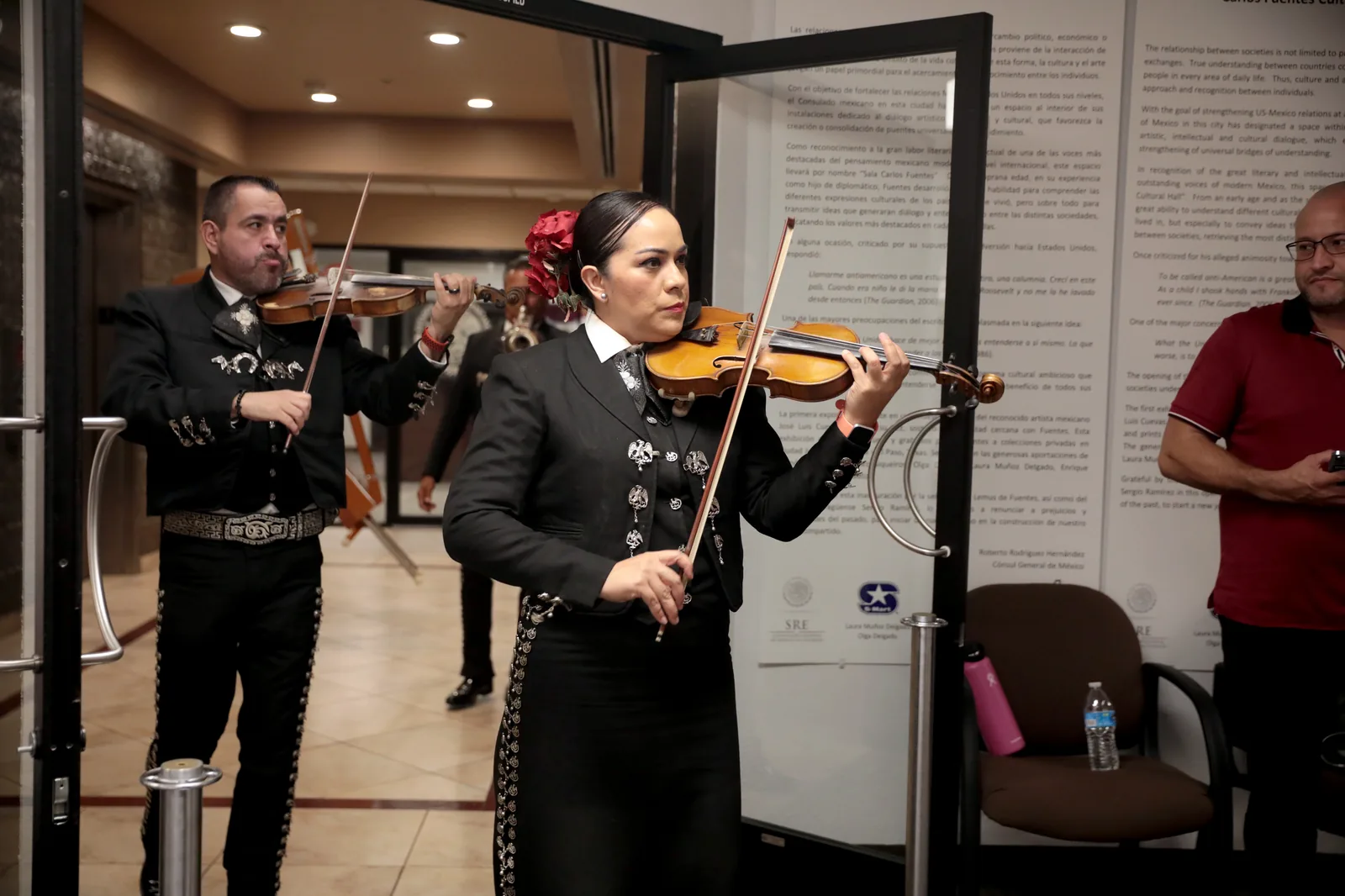
- Mariachi (File 00575, 2011) is Mexico’s most internationally recognized ICH element — an ensemble music tradition of string instruments and trumpet dating to at least the 18th century, originating in the Jalisco region and now performed at life-cycle ceremonies throughout Mexico and the Mexican diaspora.
- Two of Mexico’s inscriptions are joint nominations: Artisanal Talavera (File 01462, 2019) with Spain, and the Bolero (File 01990, 2023) with Cuba — the latter recognized the song form’s dual origins in 1883 Santiago de Cuba and its deep roots in Mexico.
Mexico UNESCO ICH: Día de Muertos, Voladores, and the Early Inscriptions
The Indigenous festivity dedicated to the dead (File 00054, Representative List, 2008) — widely known as Día de Muertos — was Mexico’s first UNESCO ICH recognition, originally proclaimed a Masterpiece of Oral and Intangible Heritage of Humanity in November 2003. Observed on November 1–2, the tradition is rooted in indigenous practice: families lay flower petals, candles, and offerings along the path from the cemetery to the home, facilitating the temporary return of deceased relatives. Altars (ofrendas) are constructed with the deceased’s favourite foods, photographs, and traditional crafts including papel picado (cut paper). UNESCO’s inscription recognized the festivity as practiced by indigenous communities of Mexico — a synthesis of pre-Columbian ancestor veneration and Catholic observance of All Saints’ and All Souls’ Days that affirms the role of the individual within community and the continuity between living and dead.
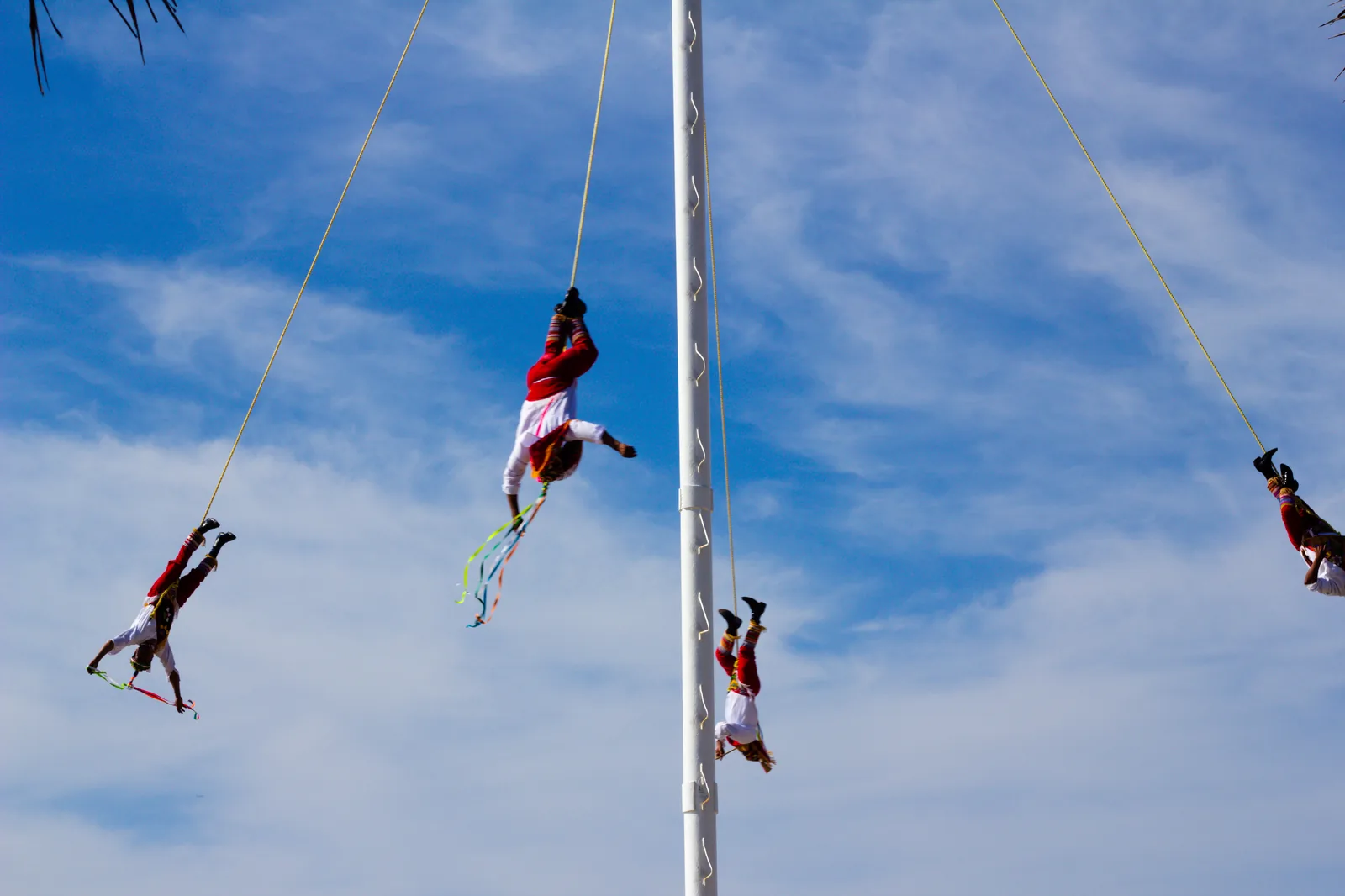
In 2009, two additional elements were inscribed. The Ritual ceremony of the Voladores (File 00175, Representative List, 2009) is performed by the Totonac people of Veracruz (centered in Papantla): five performers climb a 30-meter wooden pole, then four descend by ropes tied to their ankles while rotating around the pole — each completing 13 rotations for a total of 52 revolutions, corresponding to the 52-year cycle of the Mesoamerican calendar. The fifth performer remains atop the pole playing a flute and drum. The Places of memory and living traditions of the Otomí-Chichimecas people of Tolimán (File 00174, 2009) recognized the sacred territory centered on the Peña de Bernal — a 350-meter monolith in Querétaro — as the material anchor of the Otomí-Chichimecas community’s intangible heritage: oral traditions, ritual practices, and territorial identity. In 2010, three more elements were inscribed: Pirekua (File 00398) — the traditional polyphonic and solo song form of the P’urhépecha people of Michoacán; the Parachicos in the traditional January feast of Chiapa de Corzo (File 00399) — masked dancers who perform January 15–23 in the Chiapas town of Chiapa de Corzo; and the Traditional Mexican cuisine (File 00400) — recognized for the Michoacán community’s preservation of the milpa agricultural system (maize, beans, squash polyculture), ancestral cooking techniques (nixtamalización, the alkali-processing of maize), and the integration of culinary knowledge with communal identity and seasonal ritual. For context on the UNESCO ICH framework, the UNESCO intangible cultural heritage overview explains the 2003 Convention.
Mariachi, Charrería, Bolero, and Mexico’s Complete UNESCO ICH List
Mariachi (File 00575, Representative List, 2011) is Mexico’s most internationally performed ICH element. An ensemble music tradition of string instruments — violin, vihuela, guitarrón, guitar — and trumpet, with singers performing in matching charro costume, mariachi dates to at least the 18th century in the Jalisco region. UNESCO’s inscription recognized mariachi as an integral part of life-cycle ceremonies (baptisms, quinceañeras, weddings, funerals) across Mexico and the Mexican diaspora, transmitted through family and community learning as well as formal music schools. Charrería (File 01108, 2016) is Mexico’s equestrian tradition developed on the colonial haciendas of New Spain: the charros (skilled horsemen) perform a sequence of nine equestrian and rope-handling tests (suertes) in a circular arena (lienzo charro), accompanied by mariachi. Charrería is practiced by associations (asociaciones charras) that maintain the tradition across Mexico and among Mexican-American communities in the United States. La Romería (File 01400, 2018) recognized the annual pilgrimage cycle in which the Virgin of Zapopan statue travels from the cathedral of Guadalajara to the Zapopan basilica each October 12 — a procession involving hundreds of thousands of participants that UNESCO documented as a ritual expression of community identity in the Guadalajara metropolitan area.
Mexico’s most recent inscriptions reflect both craft and syncretic performance traditions. Artisanal talavera of Puebla and Tlaxcala (File 01462, 2019) — a joint nomination with Spain — recognized the lead-free tin-glazed earthenware ceramic tradition practiced in Puebla, Tlaxcala, and the Spanish towns of Talavera de la Reina and El Puente del Arzobispo: five stages of hand production (clay preparation, wheel-throwing, decorating, glazing with tin oxide, kiln-firing) that produce the characteristic white and cobalt blue ware associated with colonial Mexican visual culture. The Bolero (File 01990, 2023) — a joint nomination by Cuba and Mexico inscribed at 18.COM in Botswana — recognized the romantic song form that originated in 1883 in Santiago de Cuba, spread across Latin America, and developed a distinctly Mexican variant centered in the Yucatán Peninsula and the Trío Los Panchos tradition. The most recent addition — the Representation of the Passion, Death and Resurrection of Christ in Iztapalapa (File 02237, December 2025) — recognized the community theatrical event performed in the Iztapalapa borough of Mexico City each Holy Week, a tradition that began in the 19th century when the community made a vow after surviving a cholera epidemic, and now involves thousands of community members as performers in an immersive Passion Play that fuses Catholic devotion with indigenous theatrical tradition. For the authoritative list, ich.unesco.org/en/state/mexico-MX is the official source.
Frequently Asked Questions
How many UNESCO intangible cultural heritage elements does Mexico have?
Mexico has 12 elements on UNESCO’s Representative List of the Intangible Cultural Heritage of Humanity as of December 2025, plus one recognized Good Safeguarding Practice (the Totonac arts centre, File 00666, 2012). The most recent inscription is the Representation of the Passion, Death and Resurrection of Christ in Iztapalapa (File 02237), inscribed in December 2025 at the 20th session of the Intergovernmental Committee (20.COM) in New Delhi.
What was Mexico’s first UNESCO intangible cultural heritage?
Mexico’s first UNESCO ICH recognition was the “Indigenous festivity dedicated to the dead” (File 00054) — the Día de Muertos tradition — originally proclaimed a Masterpiece of Oral and Intangible Heritage of Humanity in November 2003. When the Representative List was established in 2008, it was transferred to the Representative List. The festivity, observed November 1–2, is rooted in indigenous ancestor veneration combined with Catholic practice, and involves the construction of ofrendas (altars) and the laying of offerings along paths from cemeteries to homes.
Is mariachi a UNESCO intangible cultural heritage?
Yes. Mariachi — “Mariachi, string music, song and trumpet” — is inscribed on UNESCO’s Representative List as File 00575, recognized in 2011 at 6.COM. UNESCO acknowledged mariachi as an ensemble music tradition dating to at least the 18th century in Jalisco, comprising violins, vihuela, guitarrón, guitar, and trumpet performed by musicians in charro costume. It is an integral part of life-cycle ceremonies across Mexico and the Mexican diaspora, transmitted through family, community, and formal music schools.
What is the Voladores ceremony?
The Ritual Ceremony of the Voladores (File 00175, Representative List, 2009) is a performance by the Totonac people of Papantla, Veracruz: five performers climb a 30-meter wooden pole. Four descend by ropes tied to their ankles, each completing 13 rotations around the pole (52 total revolutions, corresponding to the 52-year Mesoamerican calendar cycle), while the fifth performer remains at the top playing flute and drum. UNESCO recognized the ceremony as a living ritual of the Totonac community.
What is the traditional Mexican cuisine inscription about?
The Traditional Mexican cuisine inscription (File 00400, Representative List, 2010) recognized the community culinary practices of Michoacán — specifically the milpa agricultural system (polyculture of maize, beans, and squash), the ancestral technique of nixtamalización (alkali-processing of maize), and the integration of culinary knowledge with communal identity, seasonal ritual, and intergenerational transmission. UNESCO framed this as the “Michoacán paradigm” — a living community culture around food production and preparation, not merely a collection of recipes or products. It was the first cuisine inscribed by UNESCO for its cultural practice.