Ukraine UNESCO Intangible Cultural Heritage: Complete List of 7 Elements
Ukraine’s UNESCO intangible cultural heritage comprises 7 elements — 4 on the Representative List, 2 on the Urgent Safeguarding List, and 1 on the Register of Good Safeguarding Practices. Ukraine has no element on the standard Urgent Safeguarding List for viability reasons alone — its two USL inscriptions (Cossack songs, 2016; borscht cooking culture, 2022) reflect both endangerment and the context of armed conflict. The portfolio spans the decorative arts of the Petrykivka folk painting tradition, the Cossack oral song tradition, the Kosiv painted ceramics of the Carpathian region, the Crimean Tatar ornamental art of Ornek, the cultural identity of borscht cooking, the Easter egg art of Pysanka, and the safeguarding programme for kobza and wheel lyre players. Ukraine ratified the 2003 Convention for the Safeguarding of the Intangible Cultural Heritage on 27 May 2008. Its first inscription came at the 8th session in 2013 with the Petrykivka decorative painting tradition. For the complete official record, ich.unesco.org/en/state/ukraine-UA is the authoritative source.
- Ukraine has 7 UNESCO ICH elements as of 2025 — 4 on the Representative List, 2 on the Urgent Safeguarding List, and 1 on the Register of Good Safeguarding Practices. Ukraine ratified the 2003 Convention on 27 May 2008.
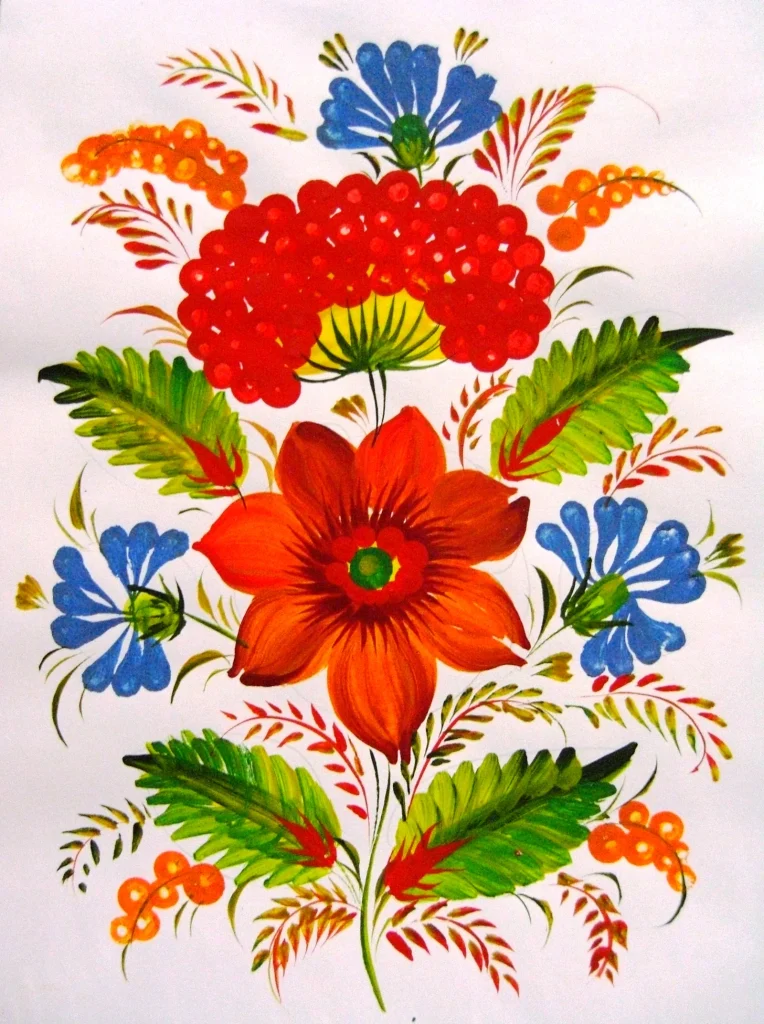
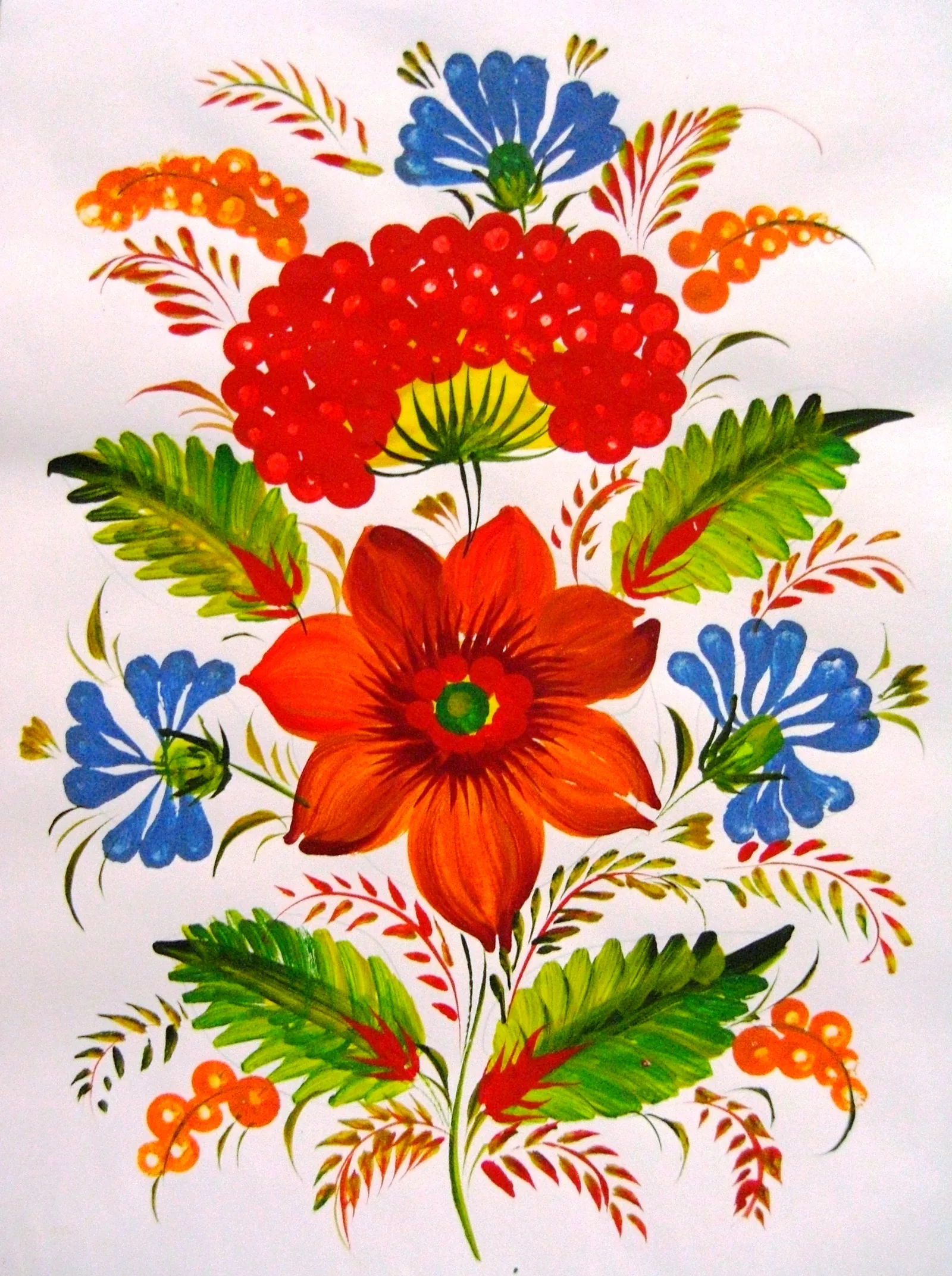
- Ukraine’s first inscription (2013, 8th session) was Petrykivka decorative painting — the floral and animal ornamental folk painting tradition of the village of Petrykivka in the Dnipropetrovsk region, applied on household objects, walls, and musical instruments using chicken feathers and brushes.
- Culture of Ukrainian borscht cooking (Urgent Safeguarding List, 17.COM, 2022) was inscribed during the Russian full-scale invasion of Ukraine — an expedited inscription recognizing both the cultural significance of borscht and the threat to Ukraine’s ICH from active armed conflict. This is one of the few UNESCO ICH inscriptions made explicitly in the context of ongoing war.
- Ornek (Representative List, 16.COM, 2021) — the Crimean Tatar art of geometric ornamental design applied to embroidery, carpets, and wood carving — is inscribed as Ukrainian heritage, recognizing the Crimean Tatar community’s cultural traditions amid Russia’s occupation of Crimea since 2014.
- Ukraine’s most recent inscriptions (19.COM, 2024) are Pysanka (Representative List) — the intricate wax-resist egg-decorating tradition — and the Safeguarding programme of kobza and wheel lyre tradition (Register of Good Safeguarding Practices).
Petrykivka Painting, Cossack Songs, and Ukraine’s UNESCO ICH Inscriptions (2013–2021)
Petrykivka decorative painting as a phenomenon of the Ukrainian ornamental folk art (Representative List, 8.COM, 2013) recognized the bold floral and ornamental folk painting tradition originating in the village of Petrykivka in the Dnipropetrovsk region — a tradition in which artisans paint stylized flowers (particularly daisies, poppies, and viburnum berries), birds, and fantastical beasts using homemade brushes of cat fur and tools made from chicken feathers, applying the characteristic style to furniture, household objects, musical instruments, and walls. The Petrykivka style is distinguished by its fine hairline strokes, vivid primary colors, and the use of mirror symmetry; the tradition was historically practiced almost exclusively by women and transmitted from mother to daughter in village households. Cossack’s songs of Dnipropetrovsk Region (Urgent Safeguarding List, 11.COM, 2016) recognized the oral song tradition of Cossack-descended communities in the Dnipropetrovsk region — epic and lyrical songs recounting the history, military campaigns, and moral values of the Ukrainian Cossack tradition, performed by community choirs in a characteristic three-voice male polyphony; declining transmission and the aging of the remaining performance communities led to its inscription on the Urgent Safeguarding List. The Tradition of Kosiv painted ceramics (Representative List, 14.COM, 2019) recognized the distinctive hand-painted pottery tradition of the Kosiv district in the Ivano-Frankivsk region of the Ukrainian Carpathians — characterized by geometric and plant motifs applied in green, yellow, and brown glazes on white-slipped earthenware using twig-brushes, with specific motifs encoding local calendar, religious, and ecological knowledge. Kosiv ceramics are produced in a continuous tradition traceable to the 18th century, with production families transmitting the skill orally across generations. Ornek, a Crimean Tatar ornament and knowledge about it (Representative List, 16.COM, 2021) recognized the geometric ornamental art of the Crimean Tatar people — a system of interlocking geometric motifs applied to embroidery, carpets, architectural surfaces, and wooden objects, conveying cosmological, natural, and community identity symbols — inscribed as Ukrainian ICH and reflecting the cultural heritage of the Crimean Tatar community, which has faced displacement and repression under Russian occupation of Crimea since 2014. For context on UNESCO’s ICH framework, the UNESCO intangible cultural heritage overview explains the 2003 Convention structure.
Borscht, Pysanka, and Ukraine’s Recent UNESCO ICH Inscriptions (2022–2024)
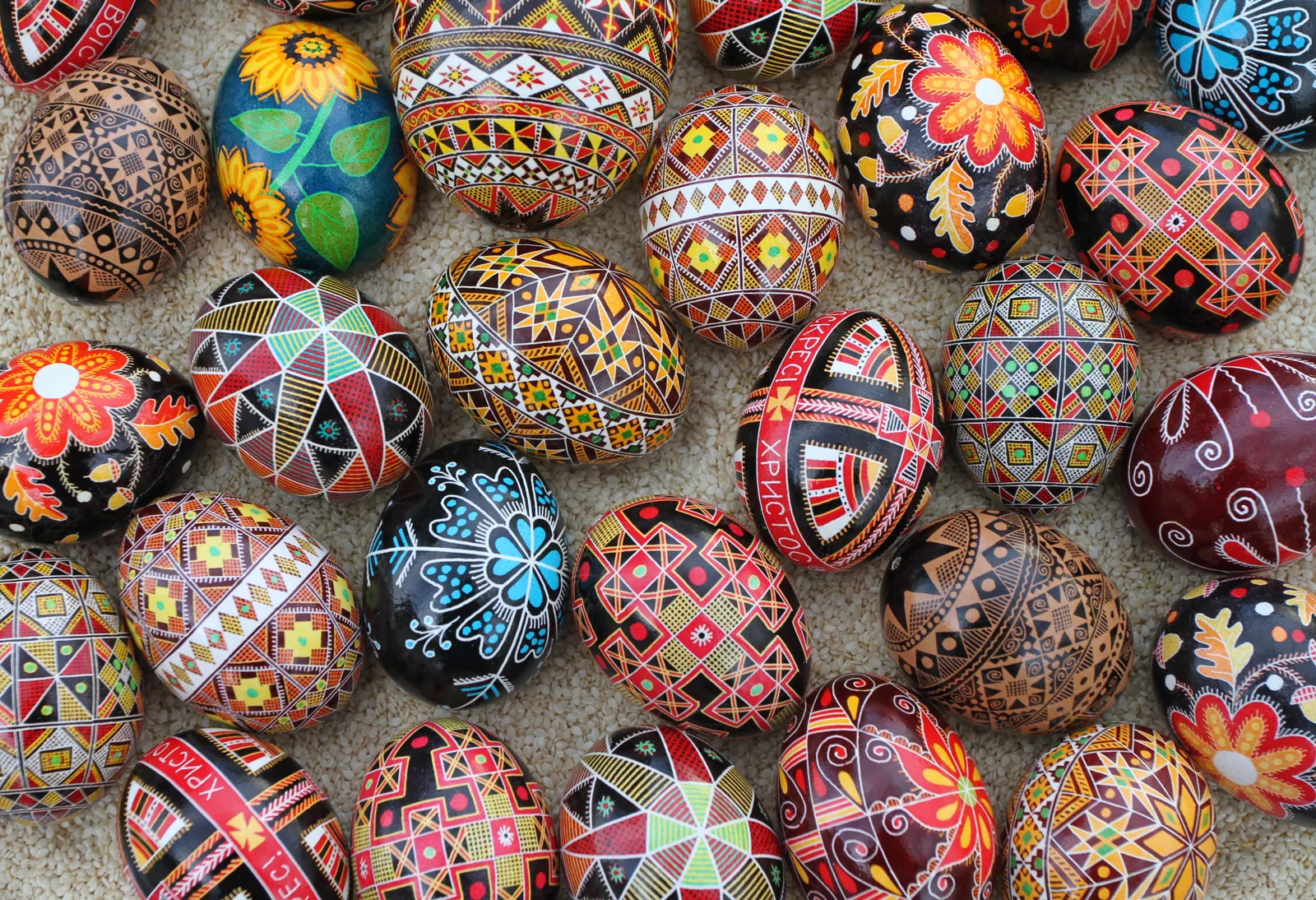
The Culture of Ukrainian borscht cooking (Urgent Safeguarding List, 17.COM, 2022) was inscribed at an extraordinary session of the Intergovernmental Committee following an expedited procedure triggered by Russia’s full-scale invasion of Ukraine in February 2022 — one of the few UNESCO ICH inscriptions made in the context of an ongoing armed conflict threatening cultural heritage. Borscht — the Ukrainian beetroot-based soup — was recognized not as a recipe but as a cooking culture: the knowledge of preparing regional variants of borscht (using fresh or fermented beet kvass, beans, pork or fish, and seasonal vegetables), the tradition of communal cooking at family and community celebrations, and the transmission of borscht preparation as an intergenerational family practice. UNESCO inscribed it on the Urgent Safeguarding List specifically to signal that the continuation of this cultural practice was at risk from the displacement of Ukrainian communities, the destruction of food-production infrastructure, and the cultural suppression associated with the conflict. The inscription generated wide international attention as a symbol of Ukrainian cultural identity and resistance. At the 19th session in Asunción (2024), Ukraine received two inscriptions. Pysanka, Ukrainian tradition and art of decorating Easter eggs (Representative List, 19.COM, 2024) recognized the ancient wax-resist egg-decorating art in which symbols, geometric patterns, and solar motifs are applied to raw eggs using a writing tool called the kistka (a small stylus with a funnel) dipped in hot beeswax, with multiple layers of wax and dye applied in sequence to create intricate multicolor geometric designs; the tradition is practiced at Easter as both a devotional and artistic practice, with specific regional stylistic schools (Hutsul, Podillia, Polissia) encoding distinct symbolic vocabularies. The Safeguarding programme of kobza and wheel lyre tradition in Ukraine (Register of Good Safeguarding Practices, 19.COM, 2024) was inscribed on the Good Practices Register for the systemic community-based programme to revive the tradition of the kobza (a plucked lute) and kolisnytsya (wheel lyre/hurdy-gurdy) among wandering blind minstrels (kobzars), whose tradition was targeted for suppression under Soviet rule. Ukraine’s 7 UNESCO ICH elements reflect a portfolio simultaneously documenting living craft and musical traditions and responding to the specific threats to cultural heritage from occupation and armed conflict. For the full comparative view, the full UNESCO ICH list covers all elements globally.
Frequently Asked Questions
How many UNESCO intangible cultural heritage elements does Ukraine have?
Ukraine has 7 elements on UNESCO’s intangible cultural heritage lists as of 2025 — 4 on the Representative List, 2 on the Urgent Safeguarding List (Cossack songs, 2016; borscht cooking, 2022), and 1 on the Register of Good Safeguarding Practices (kobza and wheel lyre, 2024). Ukraine ratified the 2003 Convention on May 27, 2008. The most recent inscriptions are Pysanka and the kobza safeguarding programme (both 2024, 19th session, Asunción).
What was Ukraine’s first UNESCO intangible cultural heritage?
Ukraine’s first UNESCO ICH inscription was Petrykivka decorative painting — inscribed at the 8th session in 2013. Petrykivka is the floral and ornamental folk painting tradition of the village of Petrykivka in the Dnipropetrovsk region, applied to household objects and musical instruments using brushes of cat fur and chicken-feather tools, historically transmitted from mother to daughter.
Is Ukrainian borscht a UNESCO intangible cultural heritage?
Yes. The Culture of Ukrainian borscht cooking is inscribed on UNESCO’s Urgent Safeguarding List (17th session, 2022). UNESCO recognized the culture of preparing regional borscht variants, communal cooking traditions, and intergenerational transmission of borscht knowledge. It was inscribed via an expedited procedure during Russia’s 2022 invasion of Ukraine, as one of few ICH inscriptions made in the context of active armed conflict threatening cultural practice.
Is Pysanka (Ukrainian egg decorating) a UNESCO intangible cultural heritage?
Yes. Pysanka — the Ukrainian tradition and art of decorating Easter eggs — was inscribed on UNESCO’s Representative List at the 19th session in Asunción (December 2024). The inscription recognized the wax-resist egg-decorating technique using the kistka stylus and hot beeswax to create intricate multicolor geometric and symbolic designs, practiced as both a devotional and artistic Easter tradition across Ukrainian regional schools.
What is Ukraine’s most recent UNESCO ICH inscription?
Ukraine’s most recent inscriptions are both from the 19th session in 2024: Pysanka (Representative List) and the Safeguarding programme of kobza and wheel lyre tradition in Ukraine (Register of Good Safeguarding Practices). The kobza programme was recognized for its community-based revival of the kobzar minstrel tradition of wandering blind musicians, targeted for suppression under Soviet rule.