Ethiopia UNESCO Intangible Cultural Heritage: Complete List of 7 Elements
Ethiopia’s UNESCO intangible cultural heritage comprises 7 elements, all inscribed on the Representative List of the Intangible Cultural Heritage of Humanity. Ethiopia has no elements on the Urgent Safeguarding List. The portfolio spans the full range of Ethiopia’s living traditions: an ancient Christian liturgical festival (Meskel, the commemoration of the finding of the True Cross), an indigenous New Year celebration of the Sidama people (Fichee-Chambalaalla), a complete democratic socio-political governance system of the Oromo people (the Gada system), the Ethiopian Epiphany celebration (Timkat), and more recent inscriptions including the Shuwalid festival of the Borana Oromo, a joint inscription of customary oral law (Xeer Ciise, shared with Djibouti and Somalia), and the Gifaataa New Year festival of the Wolaita people. Ethiopia ratified the 2003 Convention for the Safeguarding of the Intangible Cultural Heritage on April 17, 2006. Its first inscription came at the 8th session in 2013 with Meskel — the commemoration feast of the finding of the True Holy Cross of Christ. For the complete official record, ich.unesco.org/en/state/ethiopia-ET is the authoritative source.
- Ethiopia has 7 UNESCO ICH elements as of 2025, all on the Representative List. Ethiopia ratified the 2003 Convention on April 17, 2006. Ethiopia has no elements on the Urgent Safeguarding List.
- Ethiopia’s first inscription (2013, 8th session) was Meskel — the Commemoration feast of the finding of the True Holy Cross of Christ — a Christian festival with over 1,600 years of documented practice celebrated annually on September 27 (or 28 in a leap year) across Ethiopia.
- Ethiopia’s most internationally recognized inscription is the Gada system (File 01164, Representative List, 11.COM, 2016) — the indigenous democratic socio-political system of the Oromo people, encompassing governance, conflict resolution, age-grade social organization, spiritual practice, and environmental stewardship.
- Ethiopia holds a joint inscription with Djibouti and Somalia: Xeer Ciise (2024) — the oral customary laws of the Somali-Issa communities — one of the few UNESCO ICH elements recognized as a living legal and governance tradition.
- Ethiopia’s most recent inscription is Gifaataa (2025) — the New Year festival of the Wolaita people of southern Ethiopia — inscribed at the 20th session of the Intergovernmental Committee in New Delhi.
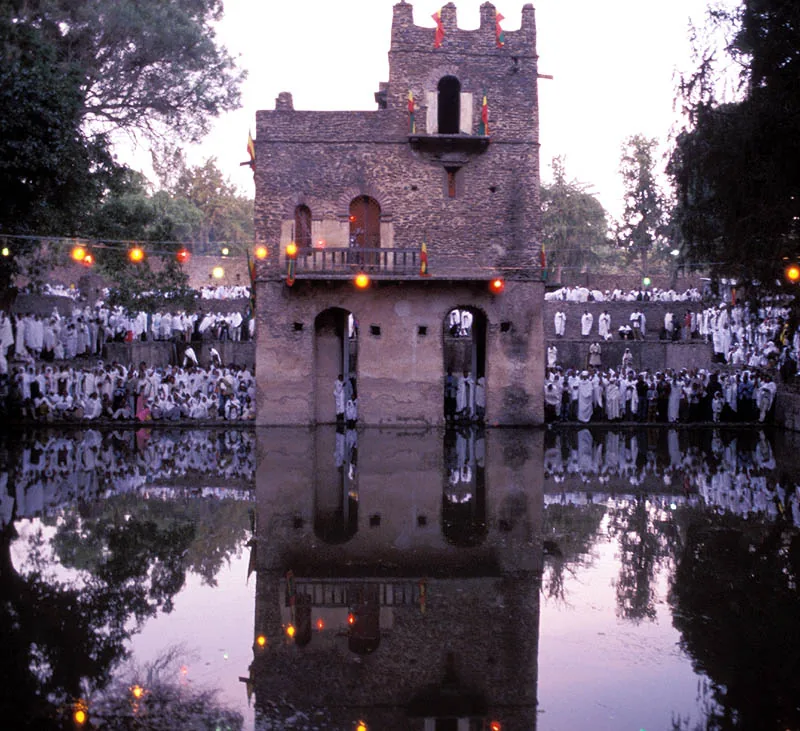
Gada System, Meskel, and Ethiopia’s Founding UNESCO ICH Inscriptions (2013–2019)
Ethiopia’s first UNESCO ICH inscription came at the 8th session in 2013 with Meskel — Commemoration feast of the finding of the True Holy Cross of Christ. The festival — celebrated annually on September 27 (Meskerem 17 in the Ethiopian calendar) — marks the legend of Empress Helena’s finding of the True Cross of Christ in Jerusalem in the 4th century CE, with communities across Ethiopia gathering around bonfires (damera) decorated with yellow meskel flowers, with priests and deacons chanting, clergy dancing in ceremonial vestments, and worshippers circling the fire three times before it is lit. The practice has been documented in Ethiopia for over 1,600 years and is observed by Ethiopian Orthodox Tewahedo Christians as one of the most significant liturgical feast days of the year. The Fichee-Chambalaalla — New Year festival of the Sidama people was inscribed at the 10th session in 2015, recognizing the spring harvest New Year celebration of the Sidama people of southern Ethiopia — a festival combining songs, dances, traditional food preparation (chambalaalla dish), elder-led community gatherings, and rituals of reconciliation and renewal that mark the beginning of the Sidama new year in the month of Fichee.
The Gada system — indigenous democratic socio-political system of the Oromo (File 01164, Representative List, 11.COM, 2016) is Ethiopia’s most internationally recognized UNESCO ICH element — an elaborate age-grade governance system of the Oromo people (Ethiopia’s largest ethnic group) in which political and social authority is organized into eight-year cycles (gada), with each generation of men passing through a series of graded roles — from childhood initiation through warrior status to elderhood and ceremonial leadership — before retiring from public authority. The system encompasses democratic governance practices (including elections, legislative assemblies, and collective decision-making), conflict resolution mechanisms (including intertribal peace agreements), environmental stewardship protocols for land and water management, spiritual ceremonies, and the oral transmission of customary law through the role of the abba gada (father of the gada, the elected head). UNESCO recognized the Gada system as a functioning democratic governance tradition that continues to be practiced across Oromo communities in Ethiopia and Kenya, with assembly sites (yaa’a) serving as actual deliberative bodies. The Ethiopian Epiphany — Timkat was inscribed at the 14th session in 2019, recognizing the three-day celebration of Christ’s baptism in the Jordan River observed by Ethiopian Orthodox Tewahedo Christians in the month of Ter (January 19–20): a procession in which replicas of the Ark of the Covenant (tabot) are carried from churches to nearby water bodies, overnight vigils of hymn-singing and prayer, and a morning blessing of the water — followed by a re-enactment of baptism in which participants are sprinkled with holy water. For context on UNESCO’s ICH framework, the UNESCO intangible cultural heritage overview explains the 2003 Convention structure and nomination process.
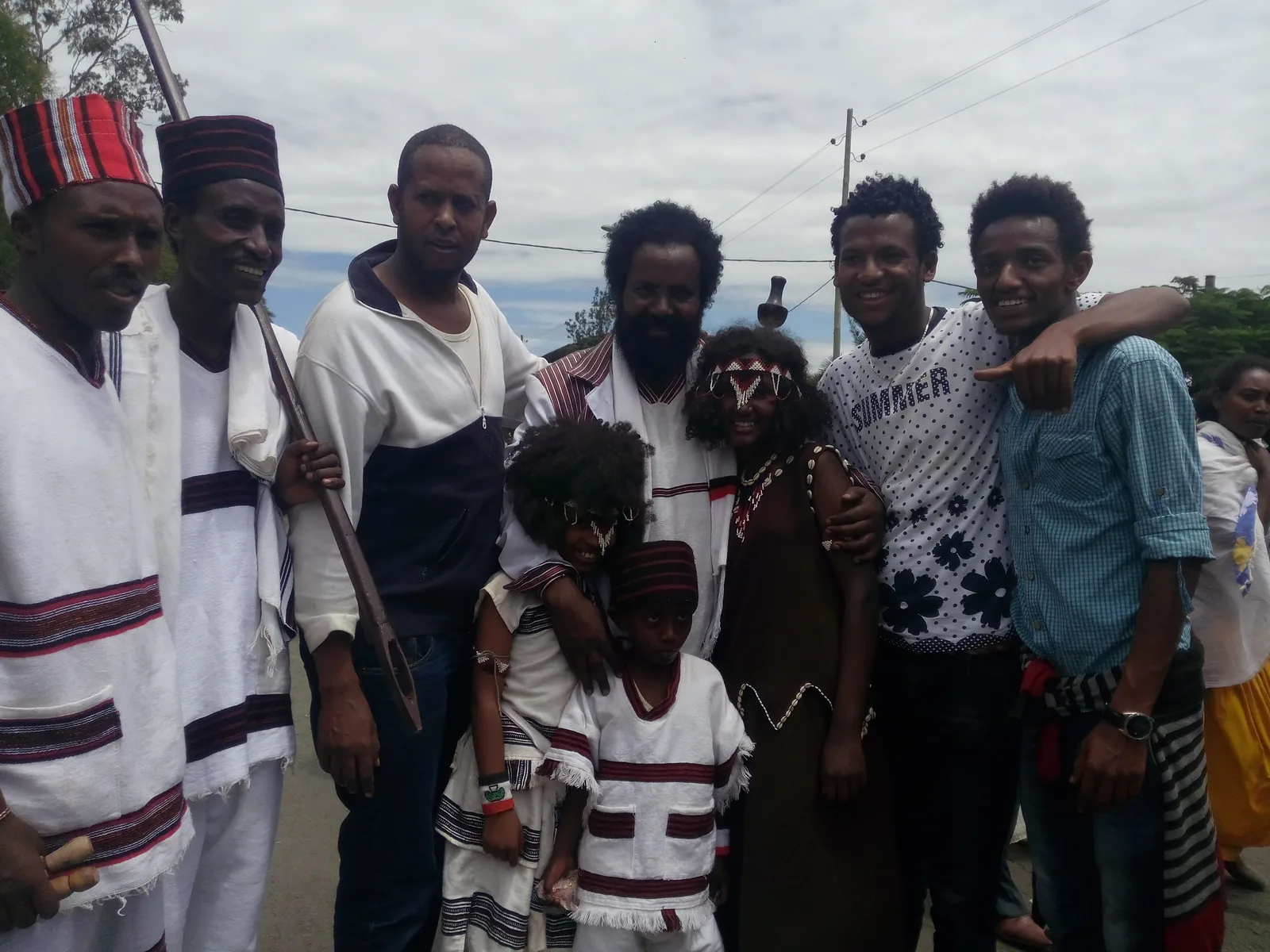
Shuwalid, Xeer Ciise, and Gifaataa: Ethiopia’s Recent UNESCO ICH Inscriptions (2023–2025)
The Shuwalid festival was inscribed at the 18th session in 2023, recognizing the traditional festival of the Borana Oromo communities of southern Ethiopia and northern Kenya — a ceremony marking the completion of the Gada cycle in which a new gada leadership is installed, celebrated with communal feasting, competitive cattle displays, and songs and dances that reinforce the values of the Gada system of governance. The Shuwalid inscription complemented and deepened the earlier recognition of the Gada system (2016) by foregrounding the ceremonial and performative dimension of the system’s cycle. At the 19th session in Asunción (December 2024), Ethiopia received its sixth UNESCO ICH inscription with the joint element Xeer Ciise — oral customary laws of the Somali-Issa communities, co-inscribed with Djibouti and Somalia. Xeer Ciise refers to the body of unwritten customary law maintained orally by the Issa Somali communities across the Ethiopia-Djibouti-Somalia border region — a legal system covering dispute resolution (including blood compensation protocols), rules governing access to pastoral land and water, social obligations, and the process by which elders (nabadoon) deliberate and transmit decisions through oral recitation. The inscription recognized Xeer Ciise as a living legal governance tradition and a system of oral jurisprudence maintained without written codification for centuries. Somalia’s co-inscription of Xeer Ciise marked Somalia’s first-ever UNESCO ICH inscription — one of five countries receiving a first-ever inscription at the 2024 session. For the full account of all 2024 inscriptions including Xeer Ciise, see the UNESCO ICH 2024 session overview.
Ethiopia’s most recent inscription is Gifaataa — the New Year festival of the Wolaita people of the Wolaita Zone in the Southern Nations, Nationalities, and Peoples’ Region of Ethiopia — inscribed at the 20th session of the Intergovernmental Committee in New Delhi (December 2025). Gifaataa marks the beginning of the Wolaita new year with multi-day ceremonies combining prayers to the creator deity Tosa, communal slaughter of oxen, traditional feasting, songs of the Wolaita oral tradition, and dances by youth, women, and elders — with elders taking a central role in transmitting the prayers, ceremonial protocols, and oral narratives that carry the festival’s meaning. The inscription of Gifaataa brought Ethiopia’s total to 7 elements, spread across a diverse set of traditions representing the country’s Christian Orthodox liturgical heritage, Cushitic indigenous governance systems, Omotic festival traditions, and Somali oral legal culture. Ethiopia’s 7 inscriptions reflect a pattern of deliberate engagement with the full ethnic and regional breadth of the country’s living heritage — from the Oromo (Gada, Shuwalid), to the Sidama (Fichee-Chambalaalla), to the Amhara and pan-Ethiopian Orthodox community (Meskel, Timkat), to the Somali-Issa diaspora (Xeer Ciise), to the Wolaita (Gifaataa). For a broader view of UNESCO ICH inscriptions worldwide, see the full UNESCO ICH list.
Frequently Asked Questions
How many UNESCO intangible cultural heritage elements does Ethiopia have?
Ethiopia has 7 elements on UNESCO’s Representative List of the Intangible Cultural Heritage of Humanity as of 2025. All 7 are on the Representative List — Ethiopia has no elements on the Urgent Safeguarding List. Ethiopia ratified the 2003 Convention on April 17, 2006. The most recent inscription is Gifaataa, the Wolaita people’s New Year festival (2025, 20th session, New Delhi).
What was Ethiopia’s first UNESCO intangible cultural heritage?
Ethiopia’s first UNESCO ICH inscription was Meskel — the Commemoration feast of the finding of the True Holy Cross of Christ — inscribed at the 8th session in 2013. Meskel is an Ethiopian Orthodox Christian festival celebrated annually on September 27 (or 28 in a leap year), marking the tradition of Empress Helena’s finding of the True Cross. The festival has been continuously practiced in Ethiopia for over 1,600 years.
Is the Gada system a UNESCO intangible cultural heritage?
Yes. The Gada system — the indigenous democratic socio-political system of the Oromo people of Ethiopia — is inscribed on UNESCO’s Representative List as File 01164 (11th session, 2016). UNESCO recognized the Gada system for its functioning democratic governance, conflict resolution, age-grade social organization, environmental stewardship, and oral transmission of customary law. The system continues to be practiced by Oromo communities in Ethiopia and Kenya.
Is Timkat (Ethiopian Epiphany) a UNESCO intangible cultural heritage?
Yes. The Ethiopian Epiphany — known as Timkat — is inscribed on UNESCO’s Representative List (14th session, 2019). UNESCO recognized the three-day celebration of Christ’s baptism observed by Ethiopian Orthodox Tewahedo Christians: the procession of the tabot (replica of the Ark of the Covenant) to nearby water bodies, overnight vigils, and a morning water blessing ceremony. Timkat is one of the most significant religious celebrations in Ethiopia, observed each year on January 19–20.
What is the most recent Ethiopian UNESCO ICH inscription?
Ethiopia’s most recent UNESCO ICH inscription is Gifaataa — the New Year festival of the Wolaita people — inscribed at the 20th session of the Intergovernmental Committee in New Delhi (December 2025). Gifaataa combines prayers to the creator deity Tosa, communal feasting, traditional dances, and oral ceremonial narratives, marking the Wolaita new year in the Southern Nations region of Ethiopia.