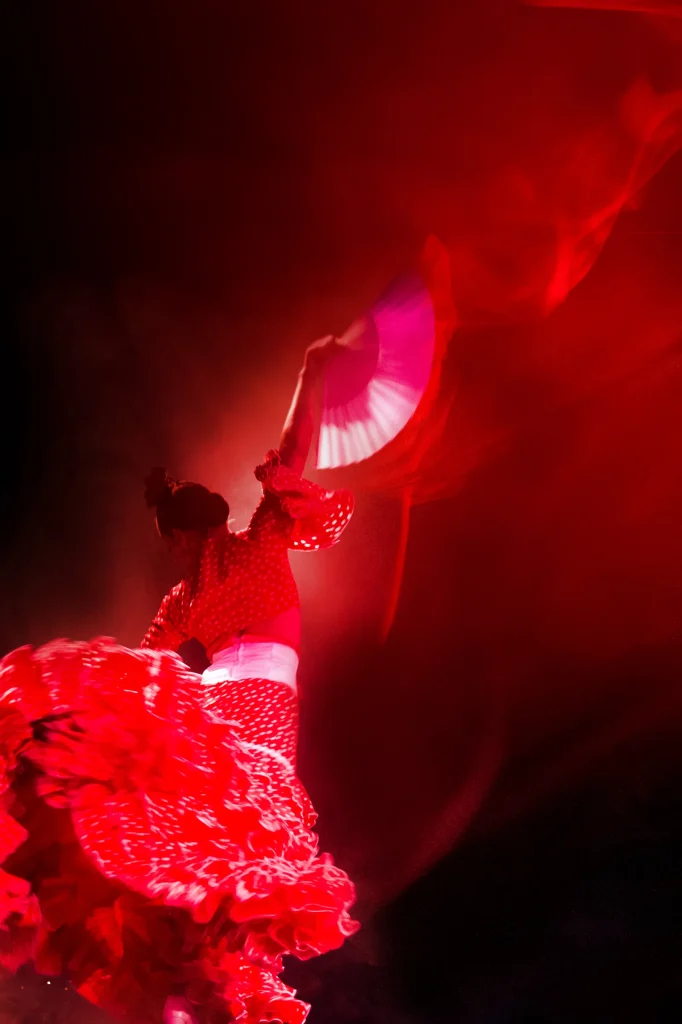
Flamenco: UNESCO Intangible Cultural Heritage of Spain (File 00363)
Flamenco — the performing art from Andalusia in southern Spain that fuses song (cante), dance (baile), and guitar playing (toque) — was inscribed on UNESCO’s Representative List of the Intangible Cultural Heritage of Humanity on November 16, 2010, at the 5th session of the Intergovernmental Committee (5.COM), registered as File 00363, Decision 5.COM 6.39. The nomination, submitted by Spain, recognized flamenco as a living cultural expression that synthesizes Romani, Arab-Andalusian, and Sephardic musical traditions into a form that has become — as UNESCO put it — “one of the most powerful expressions of Andalusian cultural identity.” UNESCO identified the Gitano (Roma) ethnic community as having played an essential role in flamenco’s development and recognized that transmission occurs through “dynasties, families, social groups and flamenco clubs” (peñas flamencas).
- Flamenco is inscribed on UNESCO’s Representative List as File 00363, inscribed November 16, 2010, at the 5th session of the Intergovernmental Committee (5.COM, Decision 5.COM 6.39) — nominated by Spain.
- Flamenco comprises three core elements: cante (vocal expression — sung seated, expressing grief, joy, tragedy, and fear), baile (dance — passionate footwork, expressive arms), and toque (guitar playing — which has long surpassed its original role as mere accompaniment).
- Flamenco emerged in late 18th-century Baja Andalusia — the oldest documented record dates to 1774 in Las Cartas Marruecas — synthesizing Romani (originally Northern Indian), Arab-Andalusian, and Sephardic musical traditions; the Gitano (Roma) community played an essential role in its development.
- There are over 50 distinct palos (styles), classified by rhythmic pattern (compás) and geographic origin — from the deep, serious soleá and seguiriya to the fast, festive bulería and alegrías.
- UNESCO recognized flamenco as transmitted through dynasties, families, social groups, and peñas flamencas (flamenco clubs) — not only Gitano but all communities of Andalusia, as well as practitioners in Murcia and Extremadura.
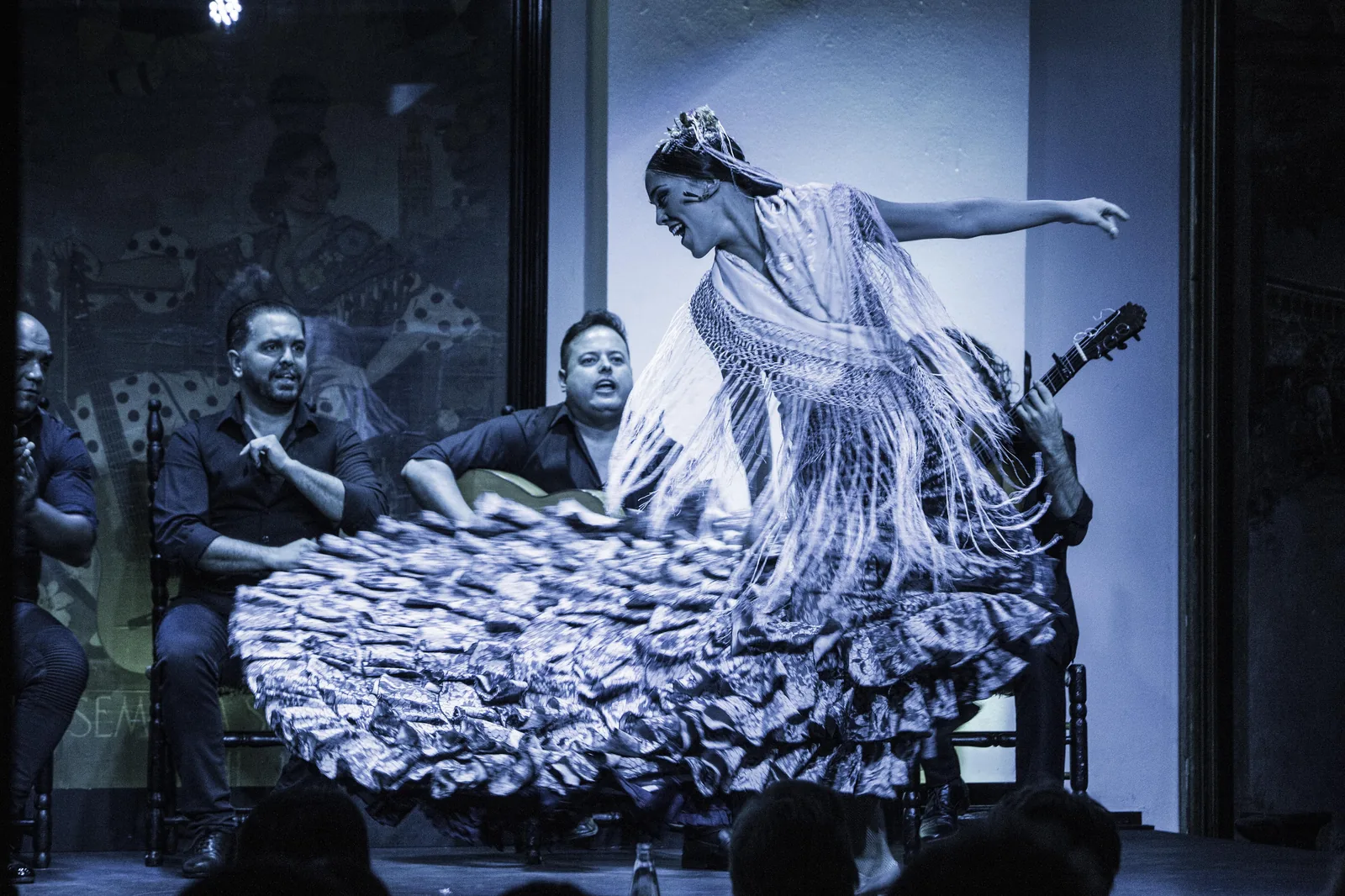
Flamenco: Origins, Gitano Heritage, and UNESCO Inscription
Flamenco emerged in the late 18th century in the cities and agrarian towns of Baja Andalusia — the lower Guadalquivir valley, encompassing Jerez de la Frontera, Seville, Cádiz, and Córdoba — from the convergence of Romani migrants, Moorish-influenced Andalusian musical traditions, and the diverse urban working-class communities of southern Spain. The oldest documented reference to a performance recognizable as flamenco dates to 1774, in the epistolary novel Las Cartas Marruecas by José Cadalso. The music synthesized elements from Romani musical traditions (originally brought from Northern India through Persia and North Africa), the Arab-Andalusian musical legacy of the Al-Andalus period, and Sephardic musical influences that persisted in the cultural memory of Andalusia after the expulsion of 1492. The Gitano (Roma) community, which had been present in Spain since the 15th century, played the central role in transforming these diverse musical threads into the recognizable art form of flamenco — developing the distinctive vocal style of cante jondo (deep song) and the technical foundations of the dance and guitar traditions.
The institutionalization of flamenco as a public performance art accelerated with the establishment of the cafés cantantes — flamenco performance cafés — beginning in Seville in 1881. These venues professionalized flamenco performance and created a circuit through which artists from different communities and regions could exchange forms and techniques. In 1958, the city of Jerez de la Frontera established the world’s first academic chair of flamencología (flamencology) — marking the beginning of formal scholarly documentation of the tradition. The Bienal de Flamenco in Seville, established in 1980 and held every two years, became the largest flamenco festival in the world and a central venue for both traditional and innovative forms. The peñas flamencas — grassroots flamenco clubs present throughout Andalusia — remain the primary informal transmission network: community spaces where enthusiasts, practitioners, and young learners gather to perform, listen, and discuss the tradition outside of professional performance contexts.
UNESCO inscribed flamenco on November 16, 2010, at the 5.COM session under Decision 5.COM 6.39. The inscription recognized flamenco across multiple ICH domains: performing arts (as its primary domain), oral traditions and expressions (the vast repertoire of cante texts), social practices and rituals (the role of flamenco at weddings, festivals, and community gatherings), and traditional craftsmanship (the construction of the flamenco guitar, castanets, and traditional dress). The inscription documentation identified the Gitano community as having played an essential role while emphasizing that flamenco is practiced across all communities of Andalusia. For the broader context of performing arts UNESCO ICH inscriptions, the UNESCO intangible cultural heritage examples article covers representative inscriptions by domain and country.
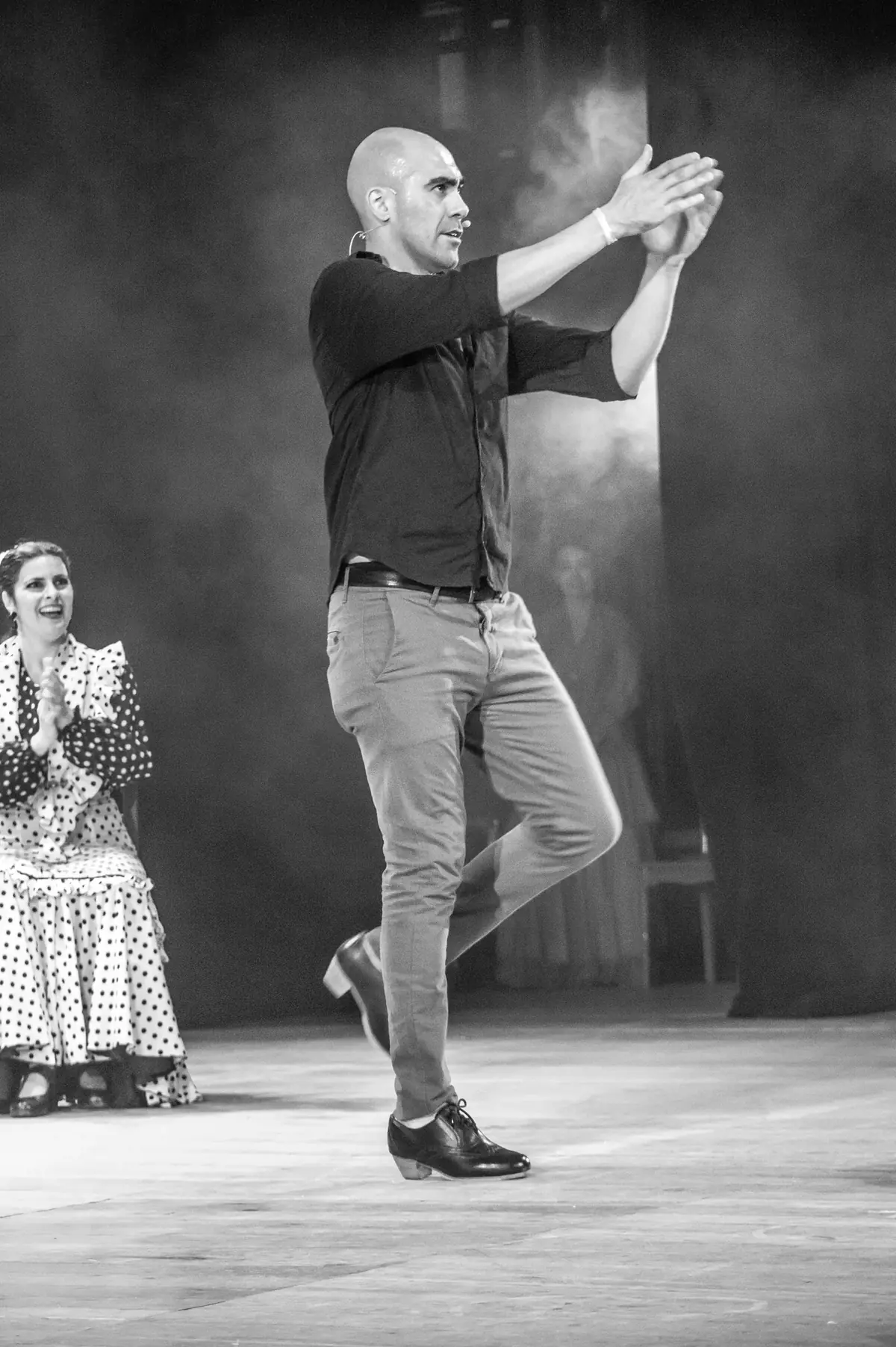
Cante, Baile, Toque: The Three Elements and Transmission of Flamenco
Cante (song) is the emotional and structural core of flamenco. Flamenco singing is performed seated, with no backing chorus — the singer (cantaor or cantaora) performs alone or supported only by the guitar. UNESCO’s inscription documentation describes cante as expressing “grief, joy, tragedy, rejoicing and fear” — the full spectrum of human emotional states. The vocal technique of cante emphasizes ornamentation, microtonal inflections, and an intensity of delivery that distinguishes it from mainstream Western European vocal traditions. The most demanding and respected cante forms are grouped under the term cante jondo (deep song): the soleá, the seguiriya, and related forms whose texts address themes of loss, death, imprisonment, and longing.
Flamenco has over 50 distinct palos — styles classified primarily by rhythmic pattern (compás) and geographic origin. The most fundamental compás in flamenco is the 12-beat cycle, which underlies the soleá, the bulería, and the alegrías, among others. The soleá (from Seville) and the seguiriya (from Jerez) are considered the two deepest and most serious palos — the foundation of cante jondo. The bulería is the fastest and most rhythmically complex palo, characterized by rapid call-and-response between singer and guitarist. The alegrías (from Cádiz) and the tangos belong to the festive (festero) category. Regional forms — malagueñas from Málaga, granaínas from Granada, fandangos from Huelva — reflect the geographic spread of flamenco across Andalusia and into Murcia and Extremadura. Baile (dance) is distinguished by its emotional intensity, the use of the full body as expressive instrument — arms (braceo), hands (floreos), feet (zapateado) — and the interaction between dancer and musicians in real time. Male flamenco dance traditionally emphasizes powerful footwork; female dance emphasizes fluid arm and hand movements, though these conventions have increasingly been subverted by contemporary practitioners.
Transmission of flamenco has historically been informal and intergenerational: within Gitano families where knowledge passed directly from parent to child, and through the social ecosystem of the peñas flamencas, the tablaos (flamenco performance venues), and the juerga — the private, semi-improvised flamenco gathering where practitioners perform for one another rather than for paying audiences. Formal transmission through conservatories expanded significantly in the 20th century — the first dedicated flamenco conservatory opened in Seville — and since 2018, Spanish universities have offered master’s-level programs in flamenco performance and research. The Gitano contribution to the transmission tradition remains central: major flamenco dynasties — including the Agujetas from Jerez, the Montoyas, and the Heredias — have maintained traditions that span multiple generations, with each new generation both preserving the received forms and extending them through improvisation. For the official UNESCO file, ich.unesco.org/en/RL/flamenco-00363 is the authoritative source.
Frequently Asked Questions
Is flamenco a UNESCO intangible cultural heritage?
Yes. Flamenco is inscribed on UNESCO’s Representative List of the Intangible Cultural Heritage of Humanity as File 00363. It was inscribed on November 16, 2010, at the 5th session of the Intergovernmental Committee (5.COM, Decision 5.COM 6.39), nominated by Spain. UNESCO recognized flamenco as a living cultural expression synthesizing Romani, Arab-Andalusian, and Sephardic traditions, with the Gitano (Roma) community playing an essential role in its development.
What are the three elements of flamenco?
Flamenco comprises three core elements: cante (song — vocal expression performed seated, expressing grief, joy, tragedy, and fear), baile (dance — characterized by emotional intensity, expressive footwork, arm movements, and real-time interaction with musicians), and toque (guitar playing — which has surpassed its original role as accompaniment to become an independent art form). Additional elements include castanets, hand-clapping (palmas), finger-snapping (pitos), and foot-stamping (zapateado).
What are the main palos of flamenco?
Flamenco has over 50 distinct palos (styles) classified by rhythmic pattern (compás) and geographic origin. The deepest and most serious palos are the soleá (Seville) and seguiriya (Jerez de la Frontera), which form the core of cante jondo (deep song). The bulería is the fastest and most rhythmically complex form. Festive palos include alegrías (Cádiz), tangos, and fandangos. Regional palos include malagueñas (Málaga) and granaínas (Granada). All palos are grouped under the common 12-beat cycle or variations thereof.
Where did flamenco originate?
Flamenco originated in late 18th-century Baja Andalusia — the lower Guadalquivir valley, particularly Jerez de la Frontera, Seville, Cádiz, and Córdoba — from the convergence of Romani (Gitano) musical traditions, Arab-Andalusian music from the Al-Andalus period, and Sephardic musical influences. The oldest documented reference to flamenco dates to 1774 in the novel Las Cartas Marruecas. The Gitano (Roma) community, present in Spain since the 15th century, played the central role in developing the distinctive vocal style (cante jondo) and the technical foundations of the tradition.
How is flamenco transmitted?
Flamenco is transmitted through dynasties, families, social groups, and peñas flamencas (flamenco clubs) — as recognized by UNESCO’s inscription. Historically, transmission was informal: within Gitano families and through private juergas (flamenco gatherings) and the café cantante circuit (established from 1881). Formal transmission expanded through conservatories in the 20th century and university master’s programs in Spain since 2018. Major Gitano flamenco dynasties — Agujetas, Montoyas, Heredias — maintain multi-generational performance lineages.