Fado: UNESCO Intangible Cultural Heritage of Portugal (File 00563)
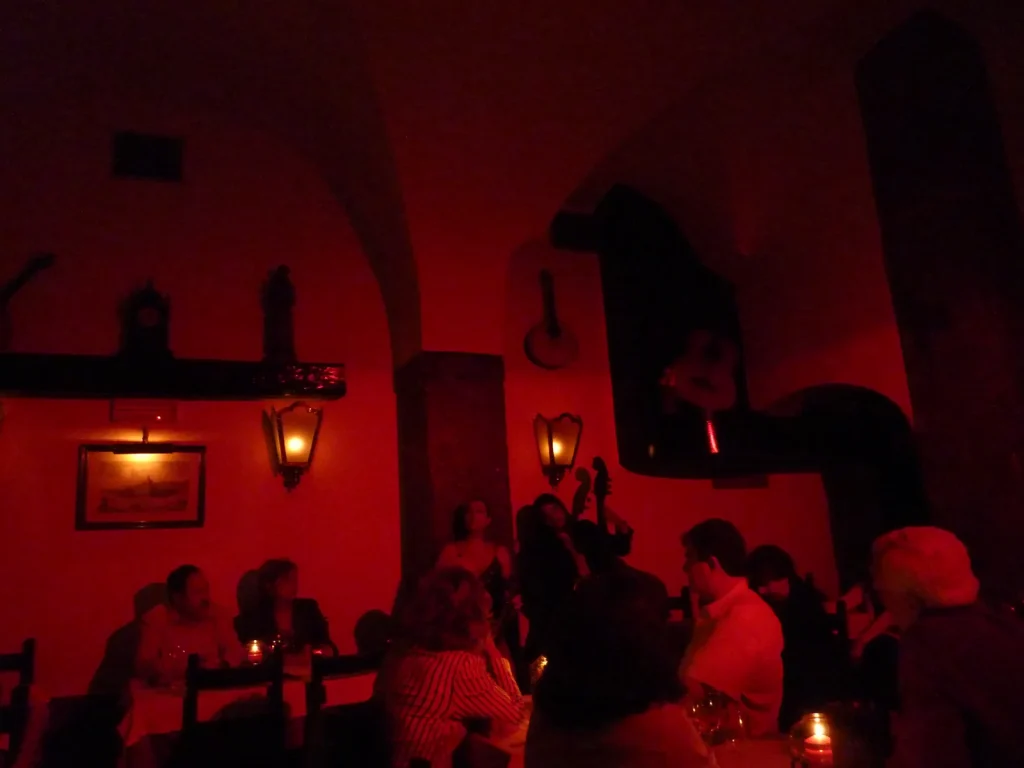
Fado — the urban popular song of Portugal, performed by a solo vocalist accompanied by the wire-strung Portuguese guitarra and acoustic guitar, expressing the emotional complex of saudade (longing, fate, resignation) — was inscribed on UNESCO’s Representative List of the Intangible Cultural Heritage of Humanity on November 27, 2011, at the 6th session of the Intergovernmental Committee (6.COM), registered as File 00563, Decision 6.COM 13.39. The inscription recognized fado as a living urban musical tradition rooted in the working-class neighborhoods of Lisbon — Mouraria, Alfama, and Bairro Alto — with a documented history from the 1830s–1840s and a continuous community practice anchored in the casas de fado (fado houses) that UNESCO identified as the primary transmission environment of the genre.
- Fado is inscribed on UNESCO’s Representative List as File 00563, Decision 6.COM 13.39, November 27, 2011, at the 6th session of the Intergovernmental Committee (6.COM) — submitted by Portugal.
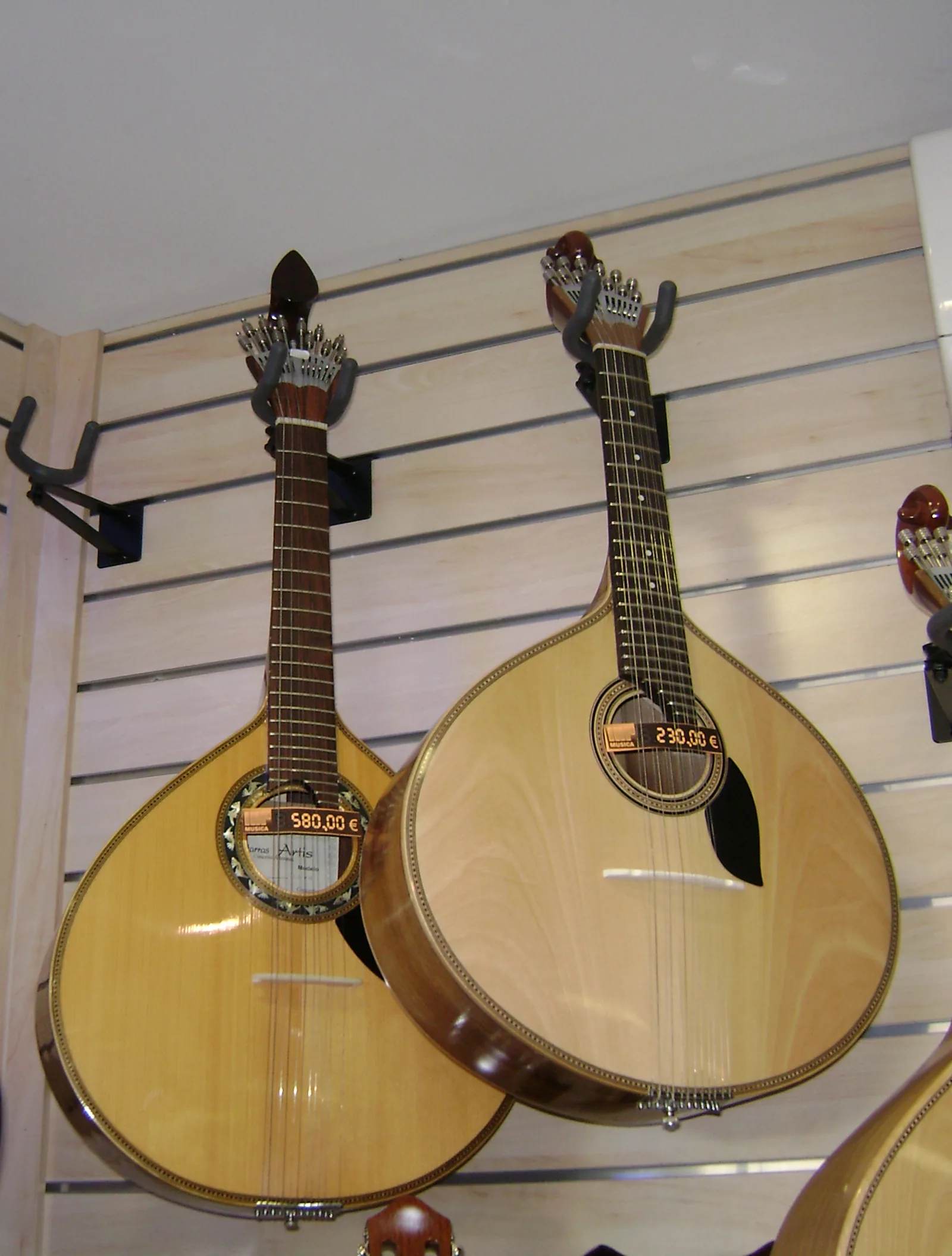
- The Portuguese guitarra — a pear-shaped cittern with 12 wire strings arranged in 6 double courses, unique to Portugal — is the defining instrumental voice of fado; the ensemble is typically a solo vocalist, one guitarra player, and one or two viola baixo (acoustic guitar) players.
- Fado emerged in early 19th-century Lisbon in the working-class neighborhoods of Mouraria and Alfama — a synthesis of Afro-Brazilian vocal traditions, Portuguese rural musical forms, and the urban popular song culture of early 19th-century Lisbon.
- The emotional core of fado is saudade — an untranslatable Portuguese concept combining longing, nostalgia, melancholy, and a sense of fate — expressed through mournful melodies and poetry addressing themes of the sea, poverty, love, and loss.
- Two distinct fado styles exist: Lisbon fado (passionate, intense, performed by all genders in traditional black dress) and Coimbra fado (academic, romantic, performed exclusively by male university students in black academic capes — a tradition distinct enough that Coimbra fado musicians will not perform in Lisbon’s casas de fado).
Fado: Origins in Lisbon, Mouraria and Alfama, and UNESCO Inscription
Fado’s origins lie in the working-class neighborhoods of Lisbon in the early decades of the 19th century. The first reliable written mentions of fado as a distinct urban musical genre appear in the 1830s and 1840s, with the genre associated with the tascos and taverns of Mouraria — the Moorish quarter of Lisbon — and Alfama, the oldest surviving neighborhood of the city. The social world of early fado included sailors, dockworkers, migrants from rural Portugal, bohemians, and courtesans; it was a music of the urban margins. Musical historians document fado’s origins as a synthesis: Afro-Brazilian vocal traditions arriving through Portugal’s Atlantic trade with Brazil contributed expressive vocal techniques and rhythmic impulse; Portuguese rural folk song traditions provided melodic material; and the existing urban popular music of early 19th-century Lisbon (the lundum and other dance-song forms) provided the immediate generic context. The word “fado” derives from the Latin fatum — fate — and the genre’s characteristic emotional register, saudade, encompasses longing, melancholy, acceptance of fate, and nostalgia for a past or a place that may never have existed in the form it is remembered.
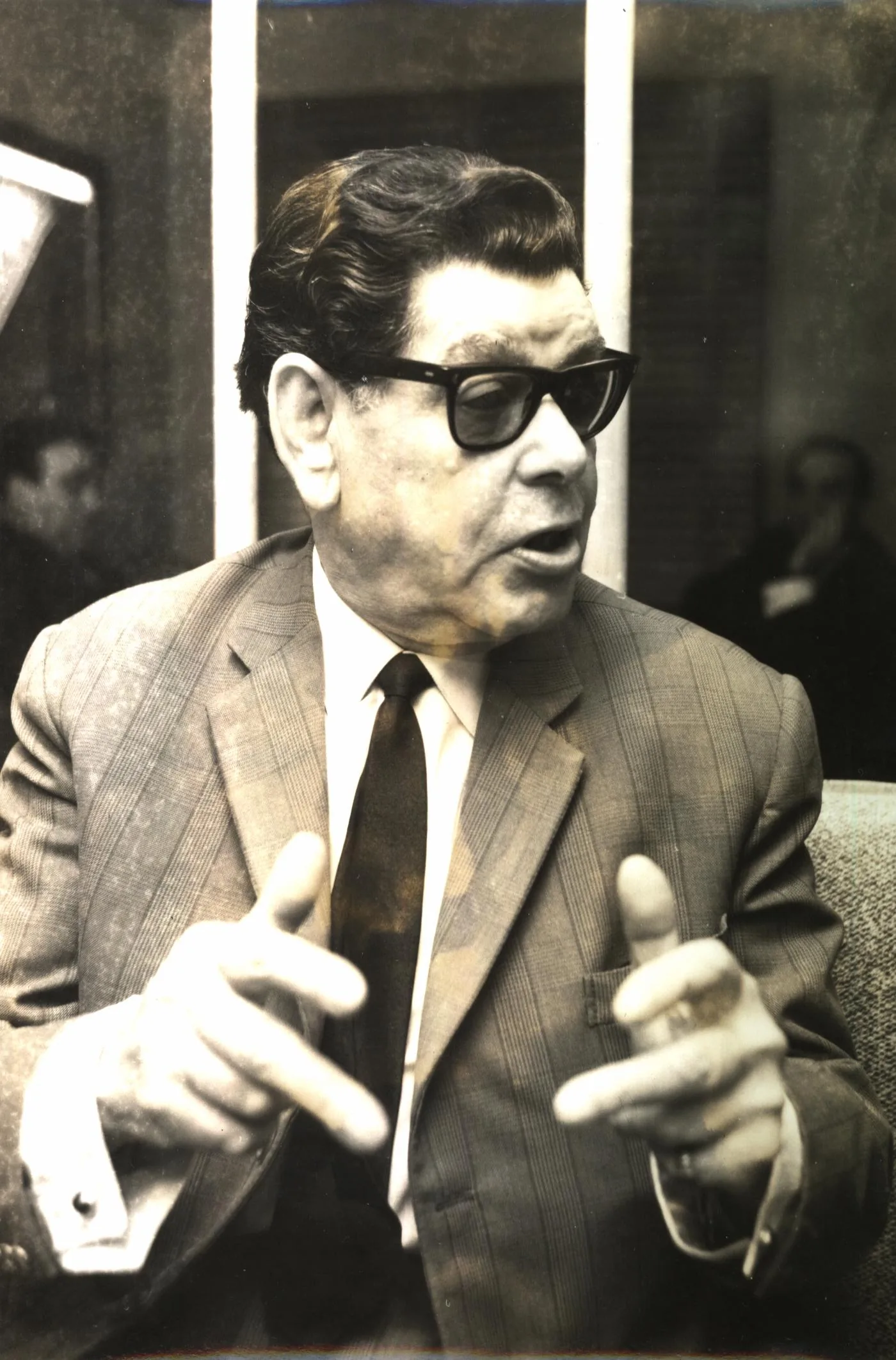
The figure credited with establishing fado as a recognized musical form is Maria Severa Onofriana (c. 1820–1846), a Lisbon courtesan from Mouraria whose relationship with the Count of Vimioso — an aristocrat — introduced fado to elite attention and became the basis of a persistent legend that fuses the genre’s origins with themes of transgression and social boundary-crossing. By the late 19th century, fado had become the dominant popular music of Lisbon, spreading from the taverns to professional theaters and cafés. In the 20th century, Amália Rodrigues (1920–1999) transformed fado into an internationally recognized art form: her recordings and international concert tours from the 1940s through the 1980s established fado’s global profile and defined the vocal and emotional conventions that subsequent generations measured themselves against. UNESCO inscribed fado at 6.COM in Bali on November 27, 2011, under Decision 6.COM 13.39 — recognizing the genre’s living community practice in Lisbon’s neighborhoods and the survival of the casas de fado as sites of both professional performance and informal transmission. UNESCO noted the nomination’s documentation of grassroots associations in Alfama, Mouraria, and Bairro Alto as evidence of the tradition’s ongoing community foundation. The candidacy ambassadors were fadista Mariza and singer-songwriter Carlos do Carmo. For broader context on the UNESCO ICH framework, the UNESCO intangible cultural heritage overview explains the 2003 Convention; for a comparable inscribed Mediterranean urban song tradition, the tango UNESCO inscription article covers a related performing arts element.
Portuguese Guitarra, Coimbra and Lisbon Styles, and Fado Transmission
The Portuguese guitarra is the defining instrumental voice of fado and one of the most distinctive instruments in the world — a pear-shaped cittern with 12 wire strings arranged in 6 double courses, played with fingerpicks worn on the thumb and index finger, and equipped with a characteristic fan-shaped tuning machine (the caracóis, or “snails”). The instrument is unique to Portugal and has no direct equivalent in any other musical tradition. The guitarra provides fado’s characteristic metallic, shimmering melodic ornamentation, wrapping around the vocalist’s line in a technique of continuous melodic commentary. The ensemble is minimal: solo vocalist (fadista), one guitarra player, and one or two viola baixo (standard acoustic guitar) players providing harmonic support and bass. The simplicity of the ensemble concentrates attention entirely on the relationship between the voice and the guitarra. Performance practice in the casas de fado requires the audience to maintain silence during performances — a codified social practice that UNESCO recognized as part of the intangible heritage of fado, alongside the music itself.
The two principal fado styles are defined by their geographic and social origins. Lisbon fado is performed by singers of all genders, typically wearing traditional black dress and a black shawl (xaile); it is characterized by passionate vocal intensity, flexible rhythmic delivery, and a repertoire drawing on classic poetry (Fernando Pessoa, Luís de Camões) as well as original song texts. The Lisbon guitarra is tuned in a specific key and has a slightly different construction from the Coimbra instrument. Coimbra fado is a distinct tradition practiced at the University of Coimbra, performed exclusively by male students and alumni in black academic capes (capas negras); its character is more restrained, romantic, and academic, with repertoire drawing on university life, serenades, and idealized love poetry. The Coimbra guitarra has a different tuning and longer neck than the Lisbon instrument; Coimbra fado musicians traditionally do not perform in Lisbon’s casas de fado, maintaining a strong identity boundary between the two traditions. Transmission in both streams occurs primarily through informal apprenticeship: younger performers learn by attending and participating in fado sessions alongside experienced masters, with the relationship between a young fadista and an older established performer (padrinho/madrinha) being the central transmission mechanism. UNESCO’s inscription documented this informal tuition system, the family succession visible in several prominent fado lineages, and the institutional role of the neighborhood fado associations (sociedades de fado) in Lisbon as the organizational infrastructure of community transmission. For the official inscription documentation, ich.unesco.org/en/RL/fado-urban-popular-song-of-portugal-00563 is the authoritative source.
Frequently Asked Questions
Is fado a UNESCO intangible cultural heritage?
Yes. Fado — “Fado, urban popular song of Portugal” — is inscribed on UNESCO’s Representative List of the Intangible Cultural Heritage of Humanity as File 00563. It was inscribed on November 27, 2011, at the 6th session of the Intergovernmental Committee (6.COM, Decision 6.COM 13.39) in Bali, Indonesia. Portugal submitted the nomination, which UNESCO recognized as a living urban musical tradition rooted in the working-class neighborhoods of Lisbon, with active community practice in the casas de fado of Alfama, Mouraria, and Bairro Alto.
What is the Portuguese guitarra?
The Portuguese guitarra is a pear-shaped cittern with 12 wire strings arranged in 6 double courses, played with fingerpicks, and equipped with a characteristic fan-shaped tuning machine (caracóis). It is unique to Portugal and the defining instrumental voice of fado. The guitarra provides continuous melodic ornamentation that wraps around the vocalist’s line. There are two variants: the Lisbon guitarra and the Coimbra guitarra, which have different tunings, neck lengths, and constructions reflecting the distinct aesthetic requirements of each fado style.
What is saudade in fado?
Saudade is an untranslatable Portuguese concept — the emotional core of fado — combining longing, melancholy, nostalgia, and a sense of fate or resignation. In fado, saudade is expressed through mournful melodies and poetry addressing themes of the sea, poverty, love, loss, and the passage of time. The word derives from the Latin fatum (fate), and fado’s characteristic emotional register encompasses acceptance of loss alongside yearning for what has passed or cannot be recovered.
What is the difference between Lisbon and Coimbra fado?
Lisbon fado is performed by singers of all genders, typically in black dress and shawl, characterized by passionate vocal intensity and a flexible approach to rhythm; it is the dominant popular urban form. Coimbra fado is a distinct academic tradition performed exclusively by male students and alumni of the University of Coimbra in black academic capes, characterized by a more restrained, romantic, and literary aesthetic with different guitarra construction and tuning. Coimbra fado musicians traditionally do not perform in Lisbon’s casas de fado.
Where is fado performed?
Fado is performed in casas de fado (fado houses) — intimate restaurant-performance venues in Lisbon’s historic neighborhoods (Alfama, Mouraria, Bairro Alto) — as well as concert halls and international festival stages. Community grassroots fado associations (sociedades de fado) in Lisbon’s older neighborhoods organize informal fado sessions that are the primary transmission environment UNESCO recognized. Coimbra fado is performed at university serenades and festivals in Coimbra, Portugal’s historic university city.