 Representative ListInscribed 2017
Description
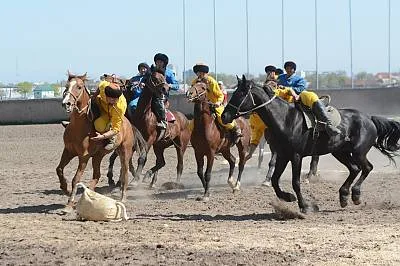
Kok boru, a traditional horse game, is a synthesis of traditional practices, performances and the game itself. It is a traditional game played by two teams on horseback, where players try to manoeuvre with a goat’s carcass (replaced with a mould in modern-day games), or ‘ulak’, and score by putting it into the opponents’ goal. The community of bearers includes players united in higher league, semi-professional and amateur teams, as well as the general public. The most experienced players serve as referees, while another category consists of the ‘Kalystar’ (elders), who ensure the fairness of the game. The element is an expression of the cultural and historic tradition and spiritual identity of its practitioners and serves to unite communities regardless of social status, fostering a culture of teamwork, responsibility and respect. Knowledge related to the element is primarily transmitted naturally by means of demonstration, as well as during festive and social events, and the community concerned is actively involved in ensuring its viability through the transmission of knowledge and skills, research and the organization of training. The National Kok-Boru Federation, established in 1998, plays a key role in promoting and safeguarding the element through the development and organization of activities.
Country
KyrgyzstanOther heritage elements in Kyrgyzstan
Representative List · Inscribed 2025Traditional knowledge and skills in making Kyrgyz, Kazakh and Karakalpak yurts (Turkic nomadic dwellings)Representative List · Inscribed 2025Traditional knowledge and cultural contexts of making Maksym, a traditional Kyrgyz beverageRepresentative List · Inscribed 2024Nawrouz, Novruz, Nowrouz, Nowrouz, Nawrouz, Nauryz, Nooruz, Nowruz, Navruz, Nevruz, Nowruz, NavruzRepresentative List · Inscribed 2023Elechek, Kyrgyz female headwear: traditional knowledge and ritualsRepresentative List · Inscribed 2023Midwifery: knowledge, skills and practicesRepresentative List · Inscribed 2022Telling tradition of Nasreddin Hodja/ Molla Nesreddin/ Molla Ependi/ Apendi/ Afendi Kozhanasyr Anecdotes
More Representative List elements
Inscribed 2008Moussem of Tan-TanInscribed 2019GnawaInscribed 2021Hüsn-i Hat, traditional calligraphy in Islamic art in TurkeyInscribed 2015Aitysh/Aitys, art of improvisationInscribed 2024Tradition of Nabulsi soap making in PalestineInscribed 2024The Epic of Samba Gueladio
Also inscribed in 2017
- Kumbh Mela
- Dolma making and sharing tradition, a marker of cultural identity
- Whistled language
- Al Azi, art of performing praise, pride and fortitude poetry
- Traditional art of Shital Pati weaving of Sylhet
- Art of crafting and playing with Kamantcheh/Kamancha, a bowed string musical instrument
Data Source: UNESCO Intangible Cultural Heritage · UNESCO listing