 Representative ListInscribed 2010
Description
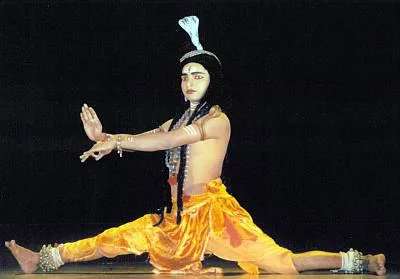
Chhau dance is a tradition from eastern India that enacts episodes from epics including the Mahabharata and Ramayana, local folklore and abstract themes. Its three distinct styles hail from the regions of Seraikella, Purulia and Mayurbhanj, the first two using masks. Chhau dance is intimately connected to regional festivals, notably the spring festival Chaitra Parva. Its origin is traceable to indigenous forms of dance and martial practices. Its vocabulary of movement includes mock combat techniques, stylized gaits of birds and animals and movements modelled on the chores of village housewives. Chhau is taught to male dancers from families of traditional artists or from local communities. The dance is performed at night in an open space to traditional and folk melodies, played on the reed pipes ''mohuri'' and ''shehnai.'' The reverberating drumbeats of a variety of drums dominate the accompanying music ensemble. Chhau is an integral part of the culture of these communities. It binds together people from different social strata and ethnic background with diverse social practices, beliefs, professions and languages. However, increasing industrialization, economic pressures and new media are leading to a decrease in collective participation with communities becoming disconnected from their roots.
Country
IndiaOther heritage elements in India
Representative List · Inscribed 2025DeepavaliRepresentative List · Inscribed 2024Nawrouz, Novruz, Nowrouz, Nowrouz, Nawrouz, Nauryz, Nooruz, Nowruz, Navruz, Nevruz, Nowruz, NavruzRepresentative List · Inscribed 2023Garba of GujaratRepresentative List · Inscribed 2021Durga Puja in KolkataRepresentative List · Inscribed 2017Kumbh MelaRepresentative List · Inscribed 2016Yoga
More Representative List elements
Inscribed 2025Traditional knowledge and skills in making Kyrgyz, Kazakh and Karakalpak yurts (Turkic nomadic dwellings)Inscribed 2023Mahadra, a community system for transmission of traditional knowledge and oral expressionsInscribed 2020Nar Bayrami, traditional pomegranate festivity and cultureInscribed 2010Music of the Bakhshis of KhorasanInscribed 2021Dutar making craftsmanship and traditional music performing art combined with singingInscribed 2025Al-Mihrass tree: knowledge, skills and rituals associated with it
Also inscribed in 2010
- Kalbelia folk songs and dances of Rajasthan
- Ritual dramatic art of Ta‘zīye
- Semah, Alevi-Bektaşi ritual
- Mudiyettu, ritual theatre and dance drama of Kerala
- Music of the Bakhshis of Khorasan
- Pahlevani and Zoorkhanei rituals
Data Source: UNESCO Intangible Cultural Heritage · UNESCO listing