 Register of Good Safeguarding PracticesInscribed 2017
Description
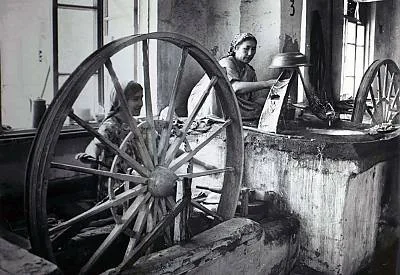
The history of ikat atlas and adras-making technologies in the territory of modern-day Uzbekistan dates back to the Late Antique Period. Historically, Margilan was the centre for making atlas and adras – vivid and fine traditional fabrics. Traditional crafts went through turbulent times during the Soviet period, jeopardizing some ancient handmade production technologies. Due to the acute need to revive and safeguard traditions at risk of disappearing, the local community came up with an initiative to launch the Crafts Development Centre (CDC) in 2007. The CDC’s goal is to safeguard, develop and promote the method of Uzbek traditional atlas and adras making through innovative training sessions, exhibitions and craft fairs, traditional textile festivals, and the publication of safeguarding materials and manuals. The CDC also promotes the use of natural materials, and supports the transmission of knowledge and skills about nature and the universe and their role in ensuring people’s health and wellbeing. The CDC’s success stems from its focus on a spirit of partnership, and the local communities play a key role in its initiatives since there is a common understanding that atlas and adras fabrics are central to their identity.
Country
UzbekistanOther heritage elements in Uzbekistan
Representative List · Inscribed 2025Traditional knowledge and skills in making Kyrgyz, Kazakh and Karakalpak yurts (Turkic nomadic dwellings)Urgent Safeguarding List · Inscribed 2025Art of crafting and playing KobyzRepresentative List · Inscribed 2024Nawrouz, Novruz, Nowrouz, Nowrouz, Nawrouz, Nauryz, Nooruz, Nowruz, Navruz, Nevruz, Nowruz, NavruzRepresentative List · Inscribed 2024Art of crafting and playing rubab/rababRepresentative List · Inscribed 2023Iftar/Eftari/Iftar/Iftor and its socio-cultural traditionsRepresentative List · Inscribed 2023Art of illumination: Təzhib/Tazhib/Zarhalkori/Tezhip/Naqqoshlik
More Register of Good Safeguarding Practices elements
Inscribed 2024Oman Youth Sail Training Ship (Safinat Shabab Oman) programme for peace and sustainable cultural dialogueInscribed 2021Nomad games, rediscovering heritage, celebrating diversityInscribed 2025Safeguarding programme for Al Sadu, traditional weaving skills in the United Arab EmiratesInscribed 2022Al Sadu Educational Programme: Train the trainers in the art of weavingInscribed 2021National programme to safeguard the traditional art of calligraphy in Iran
Also inscribed in 2017
- Kumbh Mela
- Dolma making and sharing tradition, a marker of cultural identity
- Whistled language
- Al Azi, art of performing praise, pride and fortitude poetry
- Traditional art of Shital Pati weaving of Sylhet
- Art of crafting and playing with Kamantcheh/Kamancha, a bowed string musical instrument
Data Source: UNESCO Intangible Cultural Heritage · UNESCO listing