 CulturalInscribed 1979
Egypt
About This Site
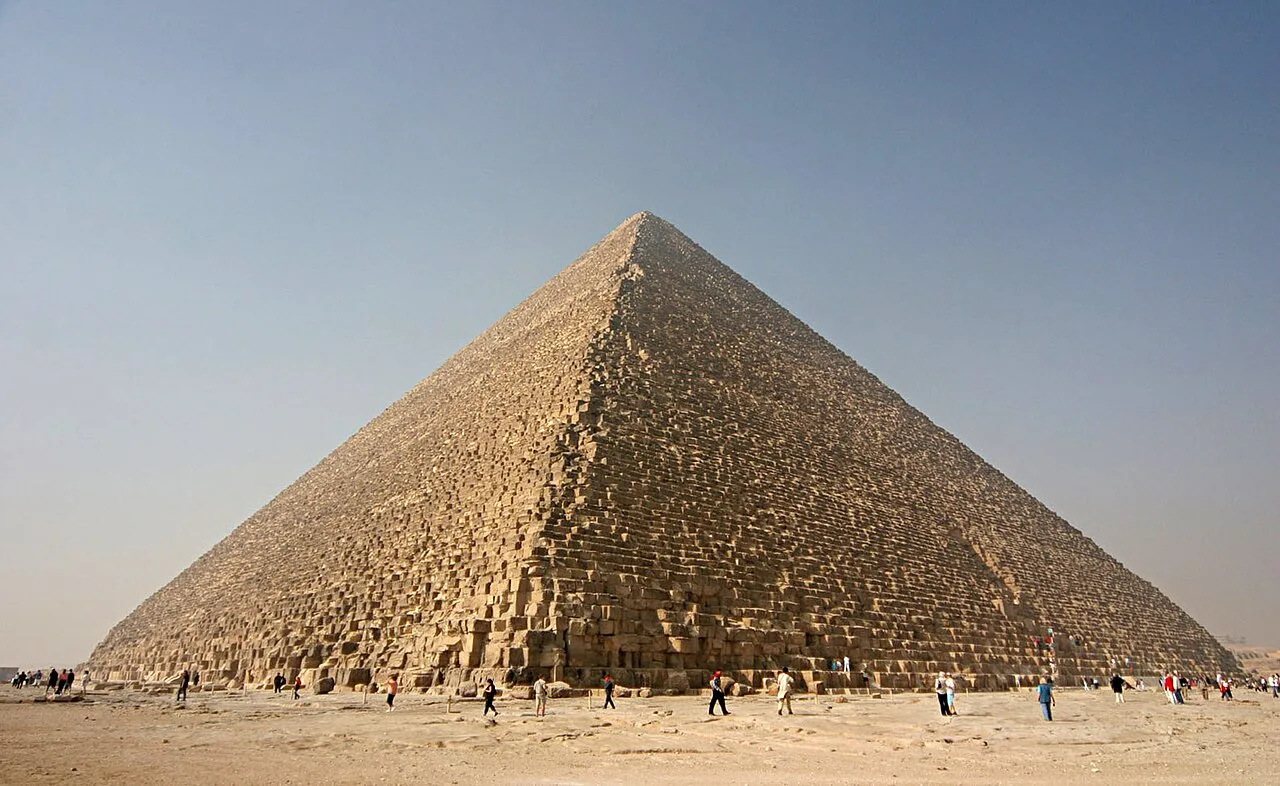
The capital of the Old Kingdom of Egypt has some extraordinary funerary monuments, including rock tombs, ornate mastabas, temples and pyramids. In ancient times, the site was considered one of the Seven Wonders of the World.
Site Details
| Category | Cultural |
| Date Inscribed | 1979 |
| Area | 16,359 hectares |
| Cultural Criteria | c1, c3 |
| Location | Egypt |
| Coordinates | 29.9760, 31.1304 |
Inscription Justification
Brief Synthesis Memphis is located in the center of the floodplain of the western side of the Nile. Its fame comes from its being the first Capital of Ancient Egypt. The unrivaled geographic location of Memphis, both commanding the entrance to the Delta while being at the confluence of important trade routes, means that there was no possible alternative capital for any ruler with serious ambition to govern both Upper and Lower Egypt. Traditionally believed to have been founded in 3000 BC as the capital of a politically unified Egypt, Memphis served as the effective administrative capital of the country during the Old Kingdom, then during at least part of the Middle and New Kingdoms (besides Itjtawy and Thebes), the Late Period and again in the Ptolemaic Period (along with the city of Alexandria), until it was eclipsed by the foundation of the Islamic garrison city of Fustat on the Nile and its later development, Al Qahira. As well as the home of kings, and the centre of state administration, Memphis was considered to be a site sacred to the gods. The site contains many archaeological remains, reflecting what life was like in the ancient Egyptian city, which include temples, of which the most important is the Temple of Ptah in Mit Rahina. Ptah was the local god of Memphis, the god of creation and the patron of craftsmanship. Other major religious buildings included the sun temples in Abu Ghurab and Abusir, the temple of the god Apis in Memphis, the Serapeum and the Heb-Sed temple in Saqqara. Being the seat of royal power for over eight dynasties, the city also contained palaces and ruins survive of the palace of Apries overlooking the city. The palaces and temples were surrounded by craftsmen’s workshops, dockyards and arsenals, as well as residential neighbourhoods, traces of which survive. The Necropolis of Memphis, to the north and south of the capital, extends southwards from the Giza plateau, through Zawyet Elarian, Abu Ghurab, Abusir, Mit Rahina and Saqqara…
Other World Heritage Sites in Egypt
Natural · Inscribed 2005Wadi Al-Hitan (Whale Valley)Cultural · Inscribed 2002Saint Catherine AreaCultural · Inscribed 1979Historic CairoCultural · Inscribed 1979Nubian Monuments from Abu Simbel to PhilaeCultural · Inscribed 1979Ancient Thebes with its NecropolisCultural · Inscribed 1979Abu Mena
More cultural heritage sites
LebanonByblosEgyptAncient Thebes with its NecropolisUzbekistanHistoric Centre of BukharaIndiaHill Forts of RajasthanUnited Arab EmiratesFaya PalaeolandscapeAzerbaijanHistoric Centre of Sheki with the Khan’s Palace
Sites inscribed in the 1970s
- Abu Mena (1979, Egypt)
- Ancient Thebes with its Necropolis (1979, Egypt)
- Persepolis (1979, Iran (Islamic Republic of))
- Tchogha Zanbil (1979, Iran (Islamic Republic of))
- Ancient City of Damascus (1979, Syrian Arab Republic)
- Nubian Monuments from Abu Simbel to Philae (1979, Egypt)
- Historic Cairo (1979, Egypt)
- Meidan Emam, Esfahan (1979, Iran (Islamic Republic of))
Data Source: UNESCO World Heritage Convention