UNESCO Intangible Cultural Heritage and Gastronomy: Food Traditions on the ICH Lists
There is no single element called “gastronomy” on UNESCO’s Intangible Cultural Heritage lists — the 2003 Convention for the Safeguarding of the Intangible Cultural Heritage does not have a “gastronomy” domain. However, UNESCO has inscribed dozens of food-related cultural practices since 2010, recognizing culinary traditions under two of the Convention’s five domains: Knowledge and practices concerning nature and the universe (which covers ecological food knowledge, fermentation, and agricultural cycles) and Social practices, rituals and festive events (which covers communal meals, ceremonial foods, and festive culinary traditions). The first food practices inscribed were the Gastronomic meal of the French (File 00437, 2010) and Traditional Mexican cuisine — ancestral, ongoing community culture, the Michoacán paradigm (File 00400, 2010), both inscribed at the 5th session of the Intergovernmental Committee. Since then, food inscriptions have grown to include Japanese washoku, the Mediterranean diet, Neapolitan pizza-making, couscous preparation, the French baguette tradition, and Korean jang-making — representing a documented recognition by UNESCO that how communities prepare, share, and transmit food knowledge is as significant as what they eat.
- UNESCO has no ICH domain called “gastronomy” — food traditions are inscribed under Knowledge and practices concerning nature and the universe and Social practices, rituals and festive events. The first food inscriptions were in 2010: the French gastronomic meal (File 00437) and Traditional Mexican cuisine (File 00400).
- The most prominent food inscriptions include: Washoku (Japan, File 00869, 2013), Mediterranean diet (File 00884, 2013, joint), Kimjang (Republic of Korea, File 00881, 2013), Neapolitan pizza-making (Italy, File 01595, 2017), Couscous (Morocco/Algeria/Mauritania/Tunisia, File 01602, 2020), French baguette (France, File 01905, 2022), and Jang-making practices (Republic of Korea, File 01975, 2024).
- UNESCO recognizes food traditions not as recipes but as living cultural practices — the knowledge, social rituals, seasonal cycles, and transmission mechanisms embedded in food preparation. A food tradition qualifies when the practice is community-maintained, transmitted across generations, and forms part of a community’s cultural identity.
- The Mediterranean diet (File 00884) is the broadest food inscription — originally recognized in 2010 with four countries (Spain, Greece, Italy, Morocco), extended in 2013 to add Cyprus, Croatia, and Portugal — covering not a cuisine but a dietary pattern, social code, and landscape use practice shared across seven nations.
- France holds two distinct UNESCO ICH food inscriptions: the Gastronomic meal of the French (File 00437, 2010, covering the social ritual of the four-course celebratory meal) and the Craftsmanship of artisan French baguette bread and its culture (File 01905, 2022, covering the technical knowledge of artisan bakers and the bread’s role in daily French life).
How UNESCO Recognizes Food as Intangible Cultural Heritage: From the French Gastronomic Meal to Mexican Cuisine
UNESCO’s 2003 Convention for the Safeguarding of the Intangible Cultural Heritage recognizes living cultural practices across five domains: oral traditions and expressions; performing arts; social practices, rituals, and festive events; knowledge and practices concerning nature and the universe; and traditional craftsmanship. Food traditions fit across multiple domains depending on their nature: the Gastronomic meal of the French (File 00437, Representative List, 5.COM, 2010) — the first food practice inscribed by France — was inscribed as a social practice recognizing the structured four-course celebratory meal (aperitif, starter, main course with wine, dessert with digestif) as a social ritual practiced at births, weddings, anniversaries, and national celebrations, with specific conventions governing table setting, dish succession, and the pairing of food and wine. UNESCO’s inscription recognized not a recipe but a social custom — the importance attached to “gathering around good food” as a defining French cultural practice.
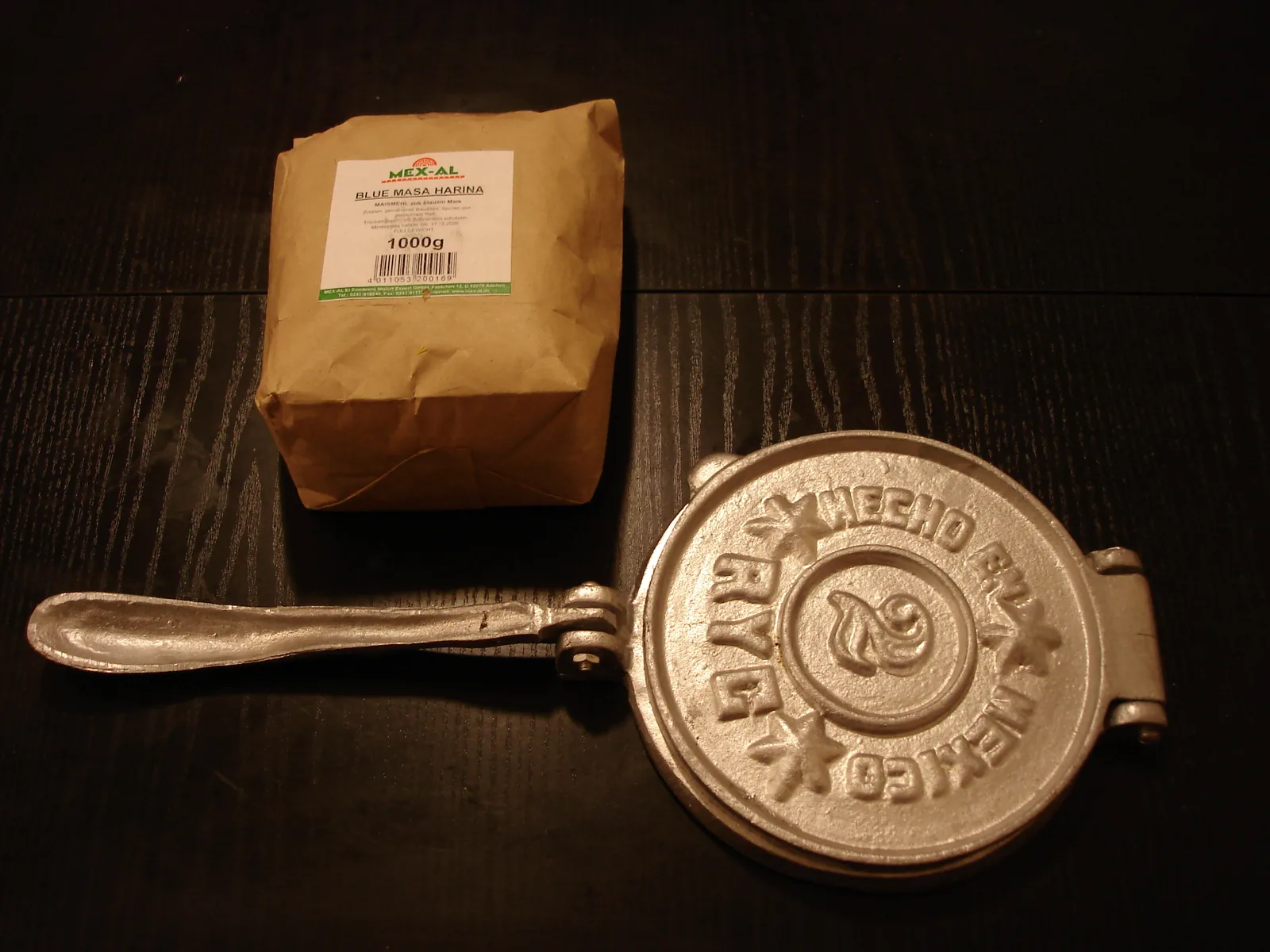
The same year, Traditional Mexican cuisine — ancestral, ongoing community culture, the Michoacán paradigm (File 00400, Representative List, 5.COM, 2010) was inscribed with an emphasis on the ancient Mesoamerican agricultural triad of corn, beans, and chili, processed through nixtamalization (the alkaline treatment of maize that increases nutritional availability and gives tortilla dough its distinctive character) and cooked on the comal griddle. The Michoacán nomination was explicitly framed as a living knowledge system — the agricultural practices of the milpa intercropping field, the tools and techniques of tortilla-making, and the seasonal ritual foods of the Day of the Dead and quinceañera celebrations — transmitted within communities of women from mother to daughter. The UNESCO inscription recognized gastronomy as a knowledge system embedded in an agricultural landscape, ecological practice, and social ceremony, rather than as a collection of recipes. For the authoritative documentation, ich.unesco.org/en/lists provides the complete catalogue of ICH inscriptions. For the ICH framework, the UNESCO intangible cultural heritage overview explains the 2003 Convention.
Washoku, Neapolitan Pizza, Couscous, and the Baguette: UNESCO ICH Gastronomy from 2013 to 2024
The largest wave of food inscriptions came in 2013 (8th session): Washoku, traditional dietary cultures of the Japanese, notably for the celebration of New Year (File 00869, Representative List, 8.COM, 2013) was inscribed by Japan as a set of social practices and knowledge centered on Japanese food culture — the seasonal use of ingredients, the visual presentation that reflects the natural landscape, the nutritional balance of the ichiju-sansai (one soup, three sides) meal structure, and the social significance of communal eating especially at New Year (osechi ryori). The Mediterranean diet (File 00884, Representative List, 8.COM, 2013) — originally inscribed in 2010 as a joint nomination by Spain, Greece, Italy, and Morocco — was extended in 2013 to include Cyprus, Croatia, and Portugal, making it the broadest food-related ICH inscription: seven countries jointly recognized a shared dietary pattern, landscape relationship, and set of social practices built around olive oil, wheat, legumes, seasonal vegetables, wine, and the social ritual of communal eating. The Kimjang — the Korean communal practice of making large quantities of kimchi before winter (File 00881, Republic of Korea, 2013) — was also inscribed at the same session, recognized for the seasonal collective labor event and the ecological knowledge of fermentation. The same year, Turkey’s Turkish coffee culture and tradition (File 01000, 8.COM, 2013) was inscribed as a coffee-drinking social practice emphasizing hospitality, conversation, and the role of the coffeehouse in social life.
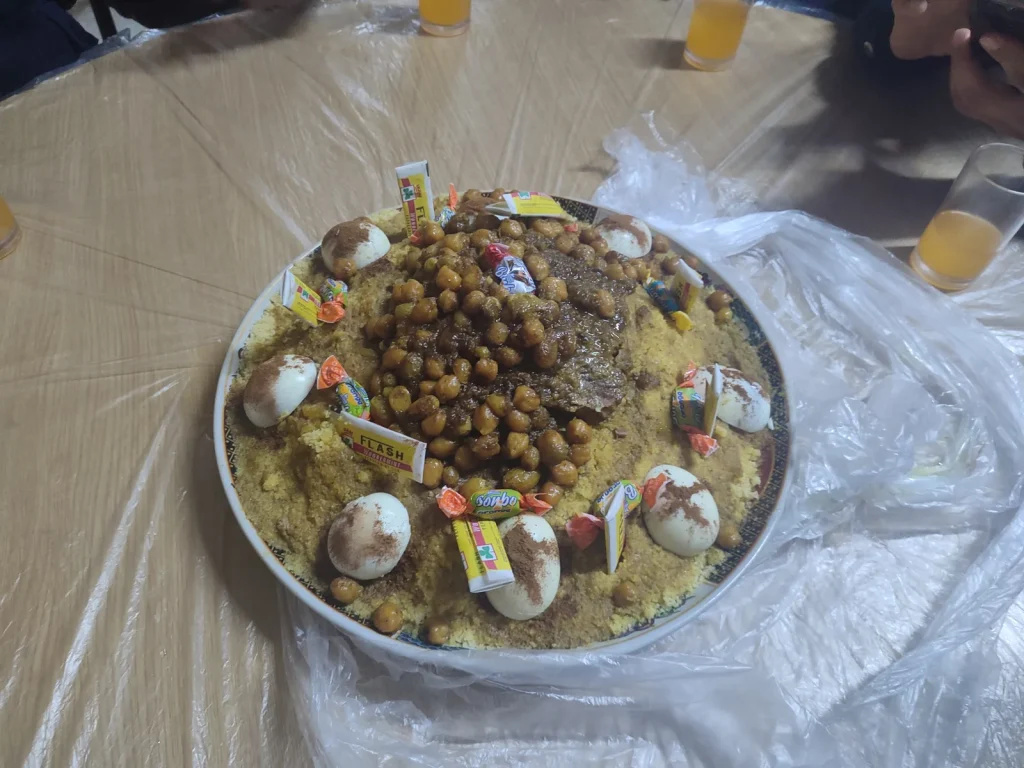
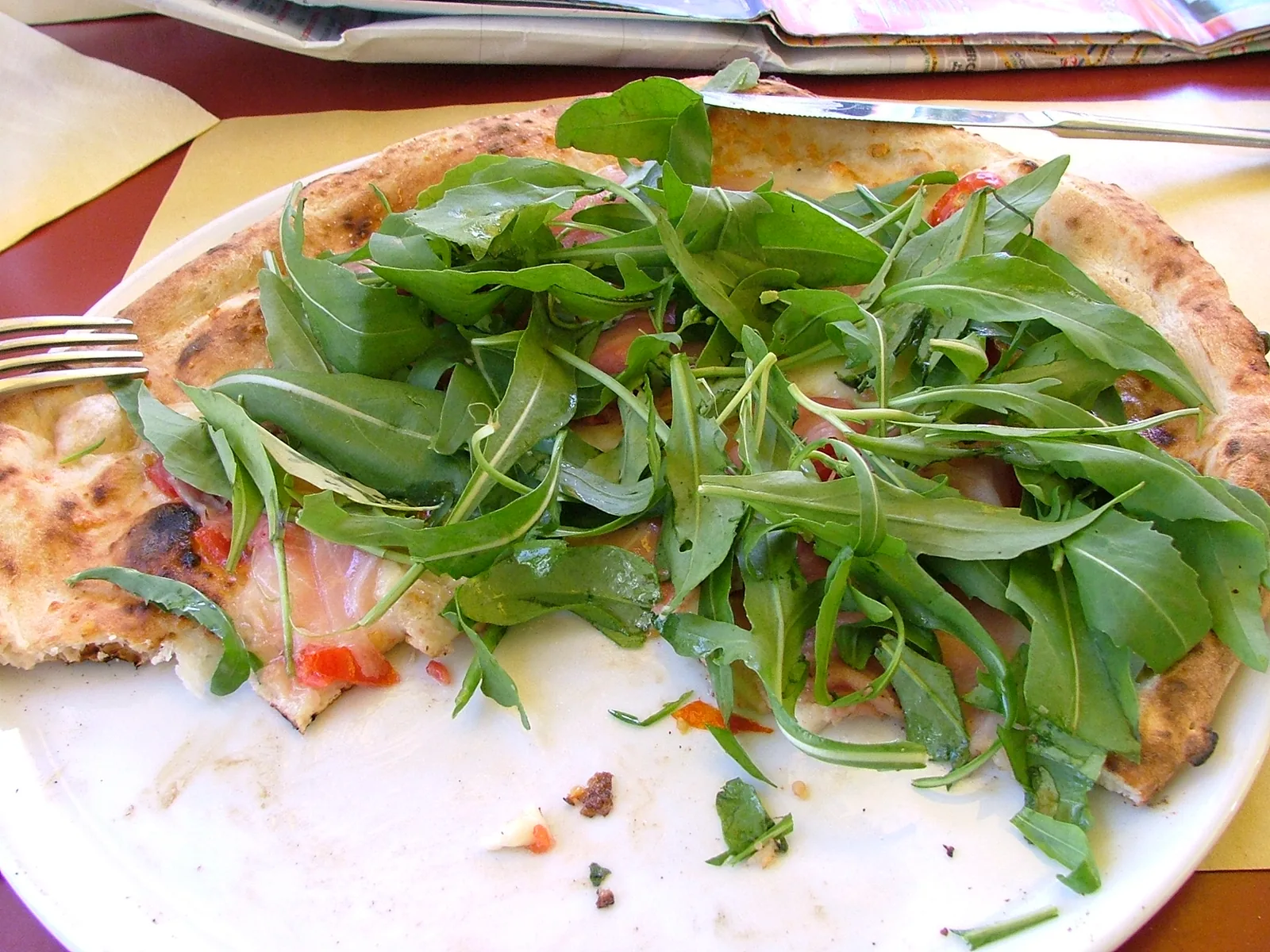
Neapolitan pizza-making (File 01595, Representative List, 12.COM, 2017) was inscribed by Italy with explicit recognition of the specialized craft knowledge of the pizzaiuolo (pizza maker) — the technique of stretching dough by hand, the wood-fired oven management, and the specific preparation of the Margherita and Marinara. UNESCO characterized the Neapolitan pizza as “an element of collective identity” for the city of Naples and emphasized the mestre-apprentice transmission chain of pizzaiuolo knowledge. Couscous, knowledge, know-how, and practices (File 01602, Representative List, 15.COM, 2020) — co-nominated by Morocco, Algeria, Mauritania, and Tunisia — recognized the production of couscous (hand-rolling semolina into small grains, steaming in a couscoussier, and communal preparation for celebrations) as a shared Maghrebi foodway. Morocco’s ICH portfolio includes couscous as one of its 16 elements. In 2022, France secured its second food ICH inscription: Artisanal know-how and culture of baguette bread (File 01905, Representative List, 17.COM, 2022) — covering the baker’s knowledge of fermentation, hydration, shaping, and scoring that distinguishes artisan baguettes, and the cultural practice of daily bread purchase as a social ritual. The most recent major food inscription is Jang-making practices in the Republic of Korea (File 01975, Representative List, 19.COM, 2024) — the knowledge and practices of making fermented soybean condiments (doenjang, ganjang, gochujang) through the seasonally structured fermentation process that takes months to complete.
Frequently Asked Questions
Is gastronomy a UNESCO intangible cultural heritage?
There is no UNESCO ICH element called “gastronomy” — the framework does not have a gastronomy domain. However, UNESCO has inscribed dozens of food traditions as intangible cultural heritage since 2010, including the Gastronomic meal of the French (File 00437, 2010), Traditional Mexican cuisine (File 00400, 2010), Washoku (Japan, File 00869, 2013), the Mediterranean diet (File 00884, 2013), Neapolitan pizza-making (Italy, File 01595, 2017), Couscous (File 01602, 2020), and the French baguette tradition (File 01905, 2022).
Is the Mediterranean diet UNESCO intangible cultural heritage?
Yes. The Mediterranean diet is inscribed on UNESCO’s Representative List as File 00884. It was first inscribed in 2010 as a joint nomination by Spain, Greece, Italy, and Morocco, then extended in 2013 to include Cyprus, Croatia, and Portugal. UNESCO recognized it not as a cuisine but as a shared dietary pattern, social ritual, and set of landscape practices — centering on olive oil, wheat, legumes, vegetables, and wine — maintained across seven Mediterranean nations.
Is French cuisine UNESCO intangible cultural heritage?
France has two UNESCO ICH food inscriptions: the Gastronomic meal of the French (File 00437, Representative List, 2010) — covering the social ritual of the structured four-course celebratory meal — and the Artisanal know-how and culture of baguette bread (File 01905, Representative List, 2022), covering the baker’s craft knowledge and the cultural practice of daily baguette purchase. Neither inscription covers “French cuisine” broadly; each recognizes a specific practice.
Is Japanese cuisine UNESCO intangible cultural heritage?
Yes. Washoku — traditional dietary cultures of the Japanese, notably for the celebration of New Year — is inscribed on UNESCO’s Representative List as File 00869 (8.COM, 2013). UNESCO recognized the seasonal use of diverse natural ingredients, nutritional balance of the ichiju-sansai meal structure, visual presentation reflecting the natural landscape, and the social significance of shared eating, especially at New Year. The inscription covers dietary cultures broadly, not a specific Japanese dish.
Is Neapolitan pizza UNESCO intangible cultural heritage?
Yes. The Art of Neapolitan Pizzaiuolo — the craft knowledge of pizza-making in Naples — is inscribed on UNESCO’s Representative List as File 01595 (12.COM, 2017). Italy nominated it; UNESCO recognized the pizzaiuolo’s specialized techniques (hand-stretching dough, wood-fired oven management, traditional topping preparation) and the mestre-apprentice transmission chain of craft knowledge as living intangible heritage. The inscription specifically covers the Neapolitan tradition, not pizza-making broadly.