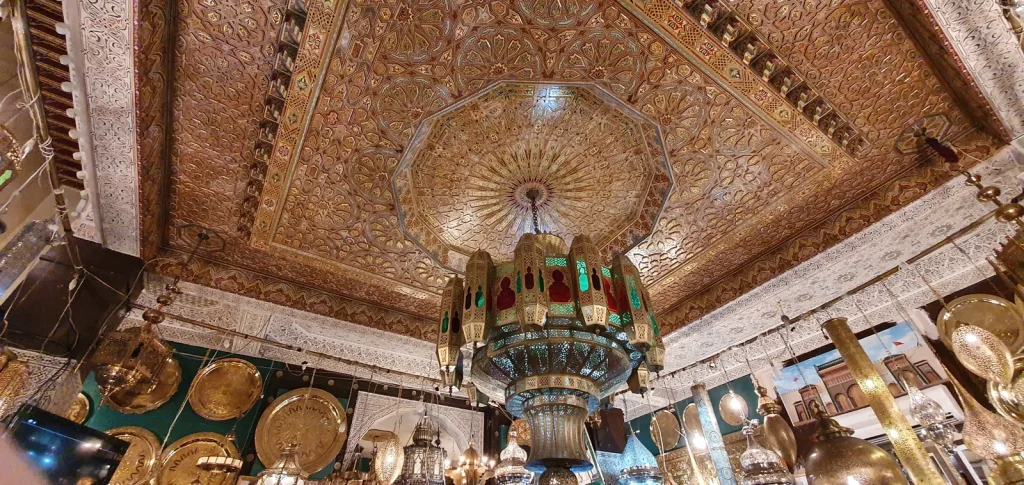
Moroccan Caftan: UNESCO Intangible Cultural Heritage (File 02077, 2025)
The Moroccan Caftan — the traditional long tunic of Morocco produced through multiple craft traditions including weaving, tailoring, sfifa braiding, aakad button-making, and regional embroidery — was inscribed on UNESCO’s Representative List of the Intangible Cultural Heritage of Humanity as File 02077 on December 10, 2025, at the 20th session of the Intergovernmental Committee (Decision 20.COM 7.b.33). Morocco submitted the nomination. The inscription recognized not the garment itself but the knowledge system and skilled craft traditions embedded in its production — the interdependent expertise of weavers (producing brocade, velvet, and silk), tailors, sfifa and aakad specialists, and embroiderers (ttrazate) — as living intangible heritage actively transmitted through family relationships, workshop apprenticeships, and formal fashion education. The Moroccan Caftan is UNESCO’s 16th inscription from Morocco and one of the most recent additions to the global ICH Representative List as of the date of inscription.
- The Moroccan Caftan: art, traditions and skills (File 02077, Representative List, Decision 20.COM 7.b.33, December 10, 2025) is Morocco’s most recent UNESCO ICH inscription. It recognizes the craft knowledge system — weaving, tailoring, sfifa braiding, aakad button-making, and regional embroidery — rather than the garment as a static object.
- The Caftan’s two signature craft elements are the sfifa — the ornamental braid band running along the garment’s edges, made from silk, gold, or silver threads, providing weight and drape — and the aakad — hand-rolled and knotted buttons and buttonholes that close the front opening, placed closely together as a distinctive identity marker of authentic handcrafted caftans.
- Morocco has distinct regional embroidery traditions associated with the caftan: Tetouan (taajira, floral motifs from zellige palettes), Fez (ntaa, gold and silver thread with peacock imagery, especially for brides during the henna ceremony), Rabat (tarz rbati, floral embroidery on fine fabrics), and Azemmour (tarz azemmouri, zoomorphic designs with dragons and lions).
- The caftan was introduced to Morocco in the late 11th century via Andalusian settlers, and from the 17th century became associated specifically with women’s ceremonial dress — worn at weddings, henna ceremonies, baptisms, coming-of-age rituals, and religious festivals — though UNESCO’s inscription recognizes it as worn “by people of all genders and ages.”
- The UNESCO inscription explicitly noted the caftan as “a source of income for the many people involved” in its production — recognizing the economic dimension of the craft ecosystem alongside its cultural significance.
Moroccan Caftan Craft Traditions: Sfifa, Aakad, and Regional Embroidery
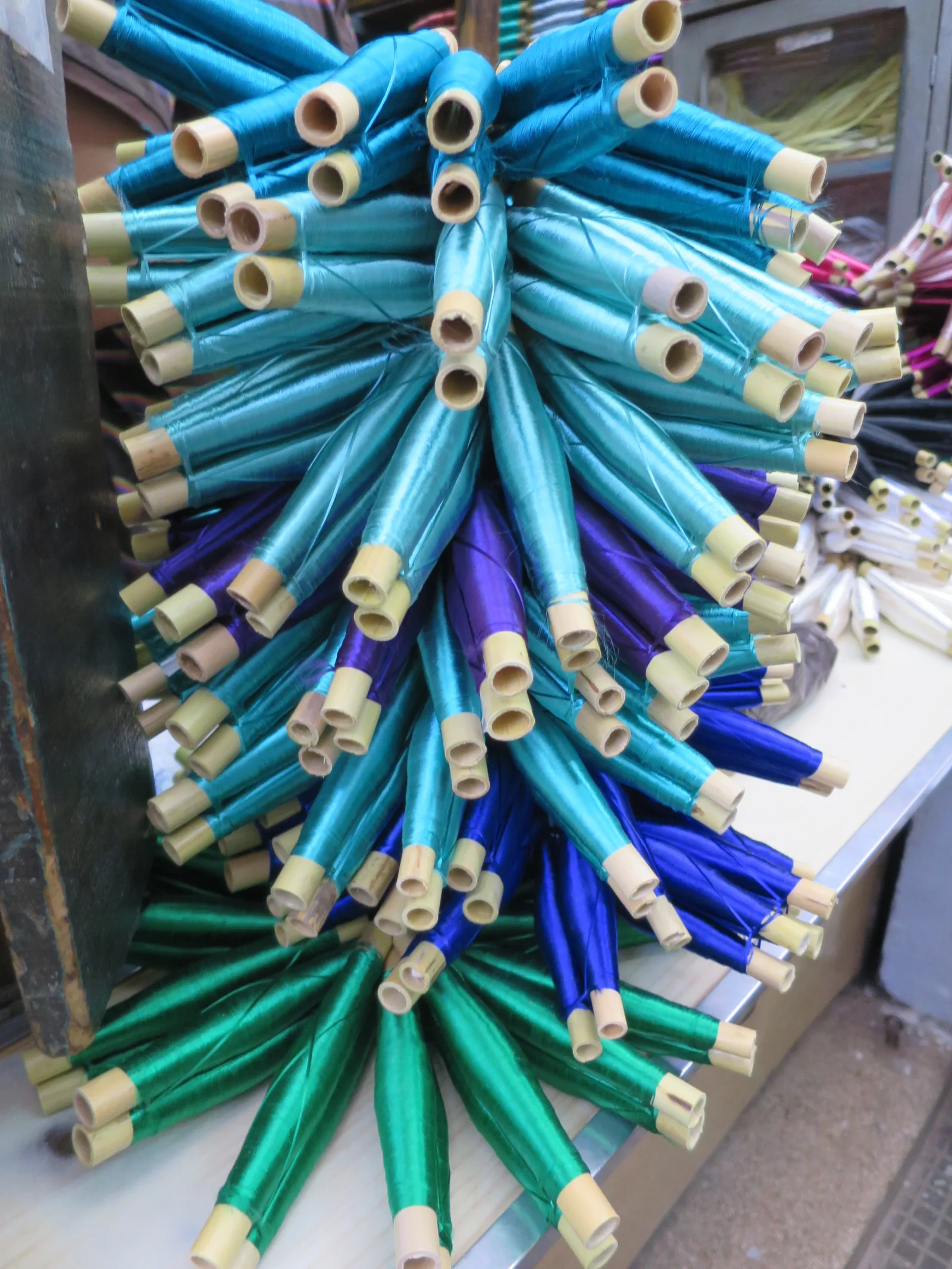
The Moroccan Caftan (File 02077, Representative List, Decision 20.COM 7.b.33, 2025) is a garment whose cultural heritage status derives from the multiplicity of interdependent craft specializations required to produce it. Unlike many garments made by a single artisan, the caftan is the product of a chain of maalem (master craftspeople) working in sequence: the weaver produces the base fabric — silk, velvet, brocade, or cotton, each requiring distinct technical knowledge — which is then cut and sewn by the tailor. The completed garment is then passed to the sfifa specialist, who applies the ornamental braid band: sfifa is woven from silk, gold, or silver threads and stitched along the garment’s edges (neckline, front opening, hem, and sleeves), adding both structural weight that improves the garment’s drape and decorative identity. The aakad maker then creates the closure system: aakad are hand-rolled and knotted buttons from braided cord or thread, produced by a specialist (maalem l-aakad) who works in a dedicated workshop. Finally, embroiderers (ttrazate) apply decorative embroidery that identifies the caftan with its city of origin.
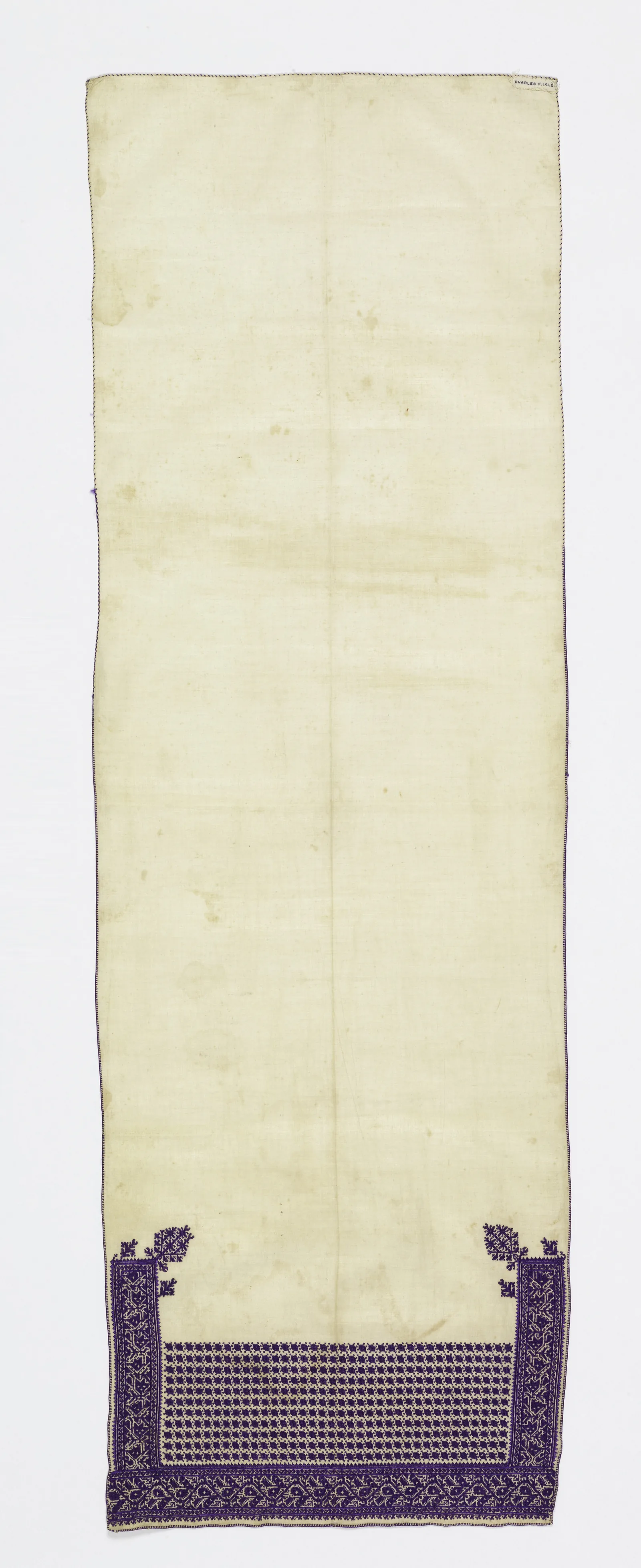
The regional embroidery traditions of the Moroccan caftan are among the most distinct features of the craft ecosystem UNESCO recognized. Tetouan is associated with taajira embroidery — fine floral designs that draw from the color palette and geometric sensibility of traditional zellige tilework, applied using silk threads on light fabrics. Fez produces ntaa embroidery — complex patterns worked in gold and silver thread, technically demanding and time-consuming, with the peacock as a distinctive motif, used especially for the bride’s caftan during the henna ceremony. Rabat is associated with tarz rbati — dense floral embroidery on sumptuous fabrics, considered among the most prestigious regional styles. Azemmour has the most unusual embroidery tradition: tarz azemmouri, which features zoomorphic designs including dragons and lions — imagery unusual in Moroccan decorative arts and associated with Azemmour’s distinct history at the intersection of Atlantic coast trade routes. Oujda, Tiznit, and Meknès also have distinct regional traditions combining passementerie, pearl embellishment, and silk button techniques. Full production of a handcrafted caftan can take weeks to months; the interdependence of multiple specialized maalem means the craft ecosystem is maintained as a living economic network of workshops in Morocco’s historic medinas. For the authoritative documentation, ich.unesco.org/en/RL/moroccan-caftan-art-traditions-and-skills-02077 is the UNESCO source. For the ICH framework, the UNESCO intangible cultural heritage overview explains the 2003 Convention.
Cultural Significance, Transmission, and UNESCO’s Inscription Context
The Moroccan caftan is documented in Morocco from the late 11th century, when Andalusian settlers arriving after the fall of the Umayyad Caliphate brought textile traditions from al-Andalus; from the 17th century, the caftan became specifically associated with women’s ceremonial dress at the Moroccan royal court and in urban households. UNESCO’s inscription recognized it as worn “by people of all genders and ages for special occasions and celebrations,” including weddings, baptisms, coming-of-age rituals, henna ceremonies, and religious festivals. Its function as a social marker is explicit in UNESCO’s documentation: the caftan serves as “a marker of social status and belonging,” with the specific embroidery style, fabric, and level of craft finish communicating the wearer’s social context and regional identity. The knowledge of distinguishing authentic handcrafted caftans — the tightness of sfifa stitching, the firmness of aakad buttons, the precision of embroidery regional styles — is itself part of the cultural knowledge recognized by UNESCO’s inscription.
Transmission of caftan craft knowledge occurs through three overlapping channels: informal family transmission (embroidery skills passed from mother to daughter; tailoring and sfifa skills from master to apprentice within workshop relationships); formal apprenticeship in dedicated workshops in medinas across Fez, Marrakech, Tetouan, and Rabat; and, increasingly, formal education in vocational training centers and fashion schools. UNESCO’s inscription explicitly noted the caftan as “a source of income for the many people involved” — acknowledging the economic ecosystem of weavers, tailors, sfifa makers, aakad makers, embroiderers, and retailers whose livelihoods depend on the living transmission of craft knowledge. The inscription came at a moment of particular significance: Morocco’s submission was positioned as a formal assertion of the caftan’s Moroccan origins in a context where the garment had been worn by Algerian officials at international events, prompting debate about cultural ownership. UNESCO’s framework does not adjudicate such disputes, but the inscription creates an authoritative record of the practice’s documentation as Moroccan intangible heritage. The Moroccan Caftan is the 16th of Morocco’s 16 UNESCO ICH inscriptions and one of only a handful of fashion/dress-related elements on the global ICH lists.
Frequently Asked Questions
Is the Moroccan caftan a UNESCO intangible cultural heritage?
Yes. The Moroccan Caftan: art, traditions and skills (File 02077) was inscribed on UNESCO’s Representative List of the Intangible Cultural Heritage of Humanity on December 10, 2025 (Decision 20.COM 7.b.33). Morocco submitted the nomination. The inscription recognizes the craft knowledge system — weaving, tailoring, sfifa braiding, aakad button-making, and regional embroidery traditions — as living intangible heritage.
What is sfifa?
Sfifa is the ornamental braid band applied along the edges of the Moroccan caftan — the neckline, front opening, hem, and sleeves. It is woven from silk, gold, or silver threads by a specialist maalem and stitched onto the garment, adding structural weight for better drape and serving as a distinctive decorative element. Sfifa craftsmanship is one of the two signature craft elements (alongside aakad) recognized in UNESCO’s inscription of the Moroccan Caftan (File 02077, 2025).
What is aakad?
Aakad are the hand-rolled and knotted buttons and buttonholes that close the front opening of the Moroccan caftan. They are produced by a specialist (maalem l-aakad) who braids and knots cord or thread into firm, uniform buttons placed closely together along the front seam. The tightness and evenness of aakad is one of the markers of authentic handcrafted caftan quality, as distinct from machine-made alternatives.
What are the regional embroidery styles of the Moroccan caftan?
The Moroccan caftan has four major regional embroidery traditions: Tetouan (taajira — fine floral motifs from zellige color palettes), Fez (ntaa — gold and silver thread with peacock imagery, especially for the bride at henna ceremonies), Rabat (tarz rbati — dense floral embroidery on sumptuous fabrics), and Azemmour (tarz azemmouri — zoomorphic designs with dragons and lions, historically unusual in Moroccan decorative arts). Oujda, Tiznit, and Meknès also have distinct local traditions.
When was the Moroccan caftan inscribed on the UNESCO list?
The Moroccan Caftan was inscribed on December 10, 2025, at the 20th session of the Intergovernmental Committee for the Safeguarding of the Intangible Cultural Heritage (Decision 20.COM 7.b.33). It is File 02077 on the Representative List of the Intangible Cultural Heritage of Humanity, and Morocco’s 16th UNESCO ICH inscription.